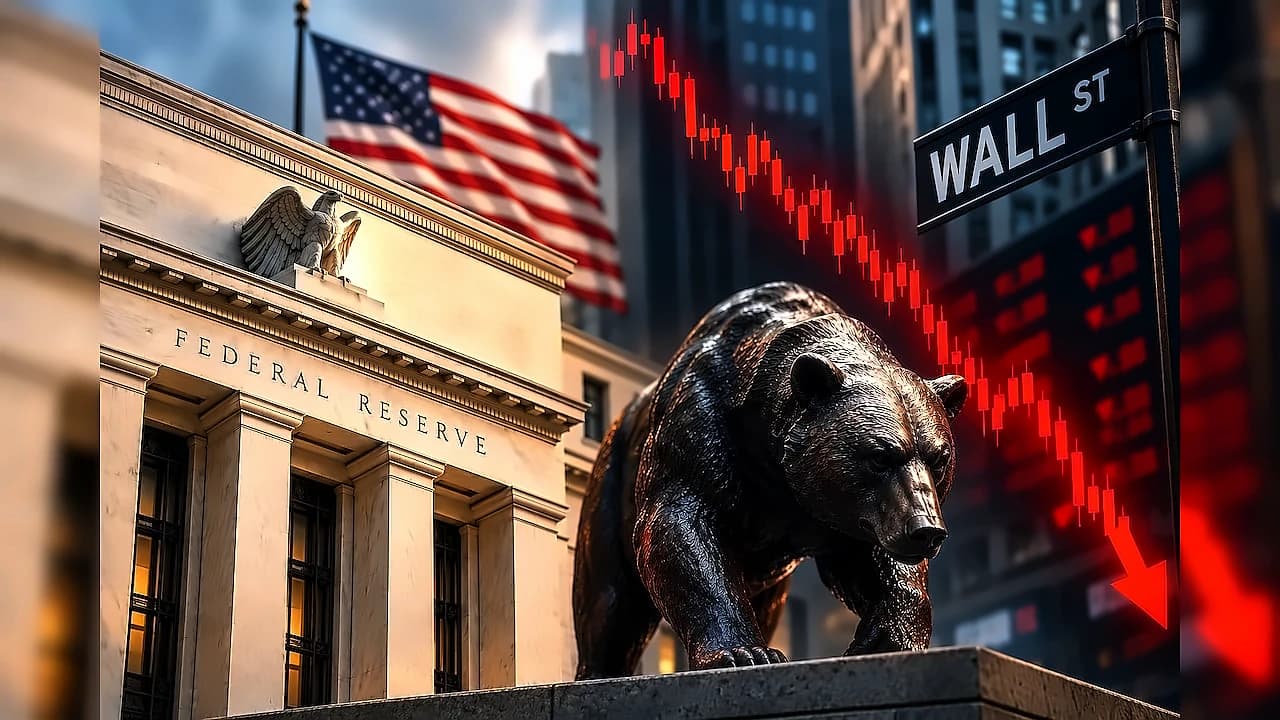
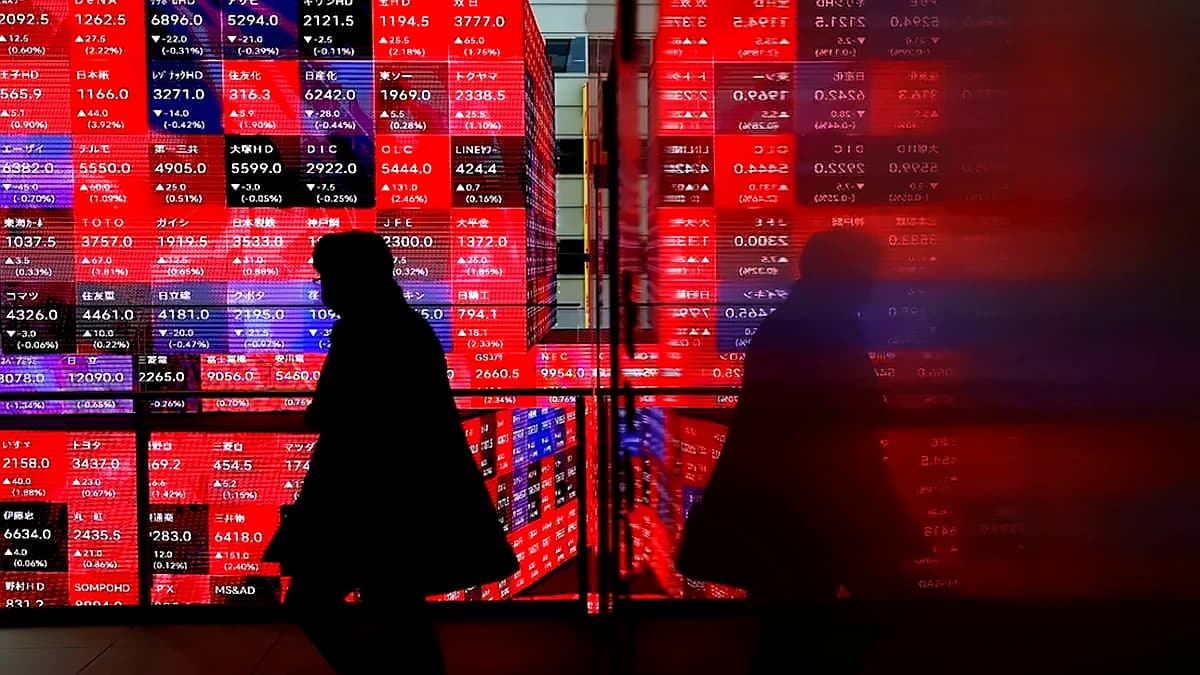
The S&P 500 lost 4.33% for the quarter with all of the decline coming in March, representing the worst quarterly performance since the third quarter of 2022, according to Canisius University reports. The index was down as much as 7% during the month but a relief rally on the last day of March softened the blow, leaving the S&P 500 below its 200-day moving average. The one-day VIX rose to 30, indicating heightened volatility - a level only seen twice in the last 5 years, during the day tariffs were announced in April 2024 and the Japanese carry unwind in August 2024. All sectors, except energy, were down during the month of March, with the S&P 500 gaining 38 basis points on Tuesday despite the quarterly decline. Recent trading shows just five of the 11 sectors are in the green, with Health Care leading declines at 1.9%.

The Labor Department's Consumer Price Index showed inflation cooled more than analysts expected in June, largely due to abating energy price pressures amid last month's signs of progress in U.S.-Iran peace negotiations. The data showed the first monthly drop in consumer prices since 2020 and a flat core reading, triggering a rally in Treasuries and leading traders to abandon expectations of a July rate hike, pushing timelines to September or October. While Fed Chair Kevin Warsh maintained a hawkish stance and stressed inflation remains above target, markets interpreted the report as giving policymakers room to pause, though rising oil prices amid Middle East tensions and persistent inflation risks mean expectations for policy tightening later this year remain intact. The 10-year Treasury yield dropped to 3.95% following the weaker-than-expected CPI report, with 30-year mortgage rates falling below 6.0% for the first time since September 2022.
The 2-year Treasury yield declined eight basis points to close at around 4.20% following the weaker-than-expected CPI report, as reported by Investing.com India. However, the yield on the 10-year Treasury bounced in 2026 from a low of 3.97% in February to 4.67% in May, according to Canisius University reports. The decline was particularly sharp at the front end of the curve, with the report coming in cooler than expected on both headline and core measures. A sharper-than-expected slowdown in U.S. inflation triggered a rally in Treasuries, with two-year yields falling sharply and stocks gaining as traders abandoned expectations of a July rate hike. The S&P U.S. Aggregate Bond index was up 1.3% for the month as fixed income benefited from equity market volatility.
The Japanese yen strengthened by just 12 basis points on the day, with USD/JPY closing at around 162.25, according to Investing.com India. Despite the weaker-than-expected CPI report, the yen remains vulnerable to significant further weakness, with the path of least resistance continuing to point toward a weaker yen. USD/JPY has been hugging its 10-day and 20-day simple moving averages, with a breakout above the 162.50 area potentially sending the pair toward 166—a level not seen since the mid-1980s. A weaker dollar also supported gold prices, which rose more than 2% after softer-than-expected US inflation data boosted expectations of a less hawkish Federal Reserve. However, the higher for longer interest rates, plus a flight to quality, have temporarily strengthened the dollar during the conflict period.
Major lenders JPMorgan Chase and Bank of America reported stronger second-quarter profits, but their stocks declined as investors looked beyond headline numbers, focusing on forward guidance and economic signals. The earnings marked the start of the reporting season, which is expected to play a critical role in sustaining the ongoing equity market rally. Fed Chair Kevin Warsh reaffirmed a zero-tolerance stance on persistent inflation, vowing to restore price stability as the central bank's top priority and signalling a potential shift in Fed policy and communications. The Fed is also reviewing its frameworks, balance sheet and communication strategy through newly formed task forces, while Goldman Sachs reported a strong second-quarter performance with net profit nearly doubling to $6.63 billion, with shares hitting an all-time high. The market is now pricing in only one cut later this year, as Powell referenced in his recent speech, with the Fed in a position to wait and see what happens on the geopolitical and resulting economic front to make any moves.