Chinese stock markets experienced a sharp decline on Thursday, with the Shanghai Composite Index (CSI) falling around 2% to close at 4,077, testing near three-week lows. According to Business Standard, the decline came after markets had given up early advances as the 4,200 mark capped the upside. The CSI Semiconductor Index saw a massive tumble as markets eyed mixed undertone in global risk sentiment. Hong Kong's Hang Seng index also lost around 1% to test around six-week low, reflecting broader weakness across Chinese markets. The decline coincided with China's central bank setting the yuan's daily reference rate against the US dollar at its strongest level in more than three years, with the People's Bank of China setting the yuan's midpoint rate at 6.8349 to the US dollar on Thursday - the strongest showing since February 2023.
US stock futures resumed their losing streak on Thursday, with Nasdaq 100 futures dropping 0.6% and S&P 500 futures declining 0.4% as crude oil prices rebounded, triggering another spike in bond yields. According to Live Mint, futures linked to the Dow Jones Industrial Average were marginally higher by 0.3%, indicating mixed sentiment across major indices. The decline comes after a strong comeback in the previous session when all three major US indices ended with gains of over 1%, snapping their three-day losing streak. Optimism faded after Iran's Supreme Leader said the country must retain its uranium, according to Reuters, tempering hopes that the warring sides were moving closer to a deal to reopen the Strait of Hormuz. Crude oil prices rose more than 2% today, with Brent crude futures regaining strength, rising $2.66 per barrel to the day's high of $107.66, as fears resurfaced that supply disruptions could persist for longer.
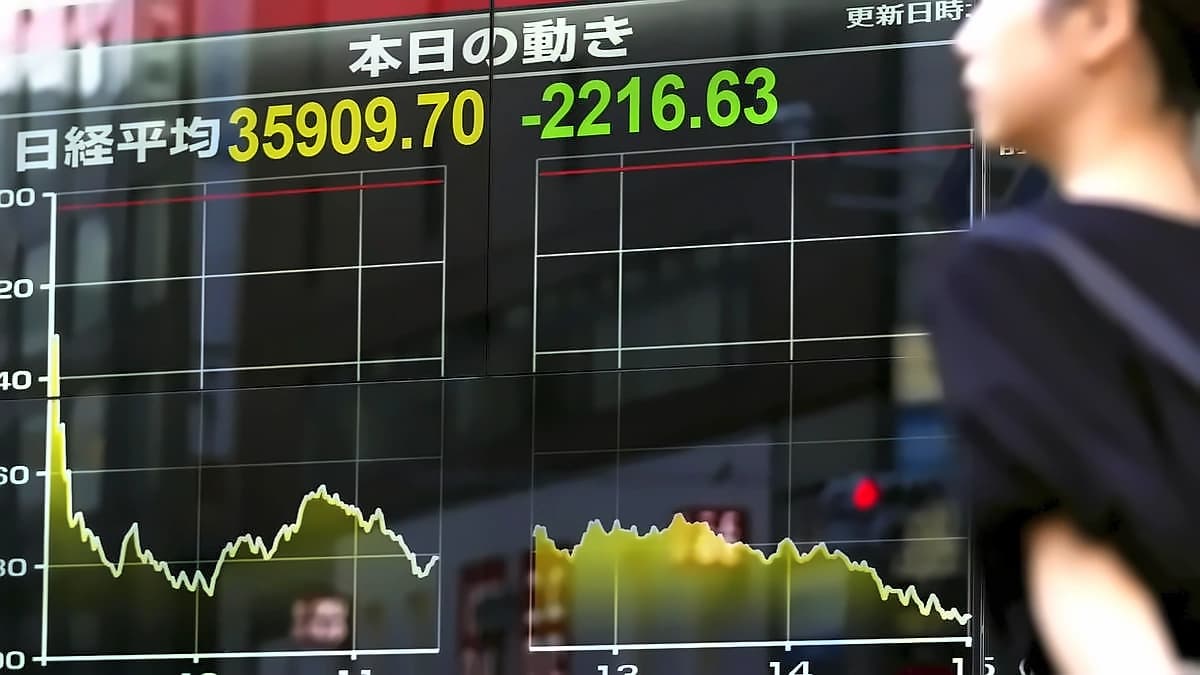
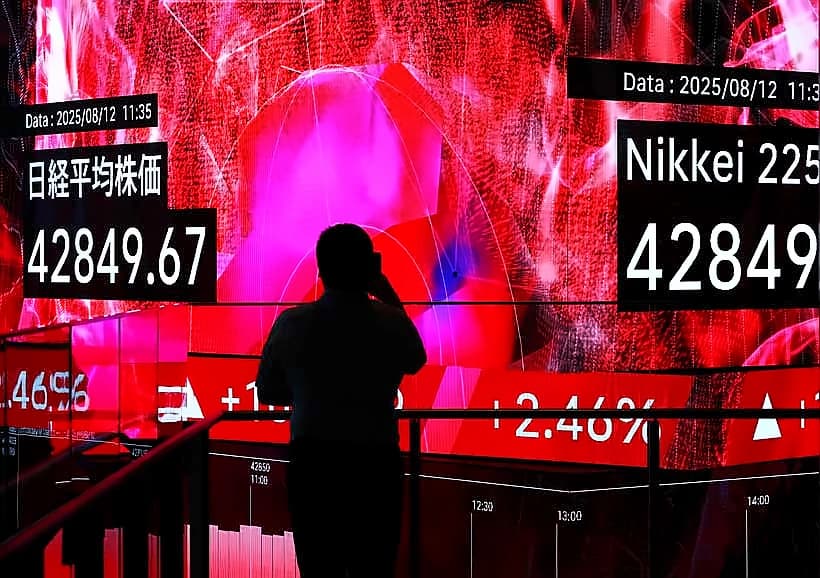
In contrast to China's decline, South Korea's benchmark Kospi index spiked more than 8%, helped by Samsung Electronics shares after unions paused a 18-day strike impacting the group. According to Business Standard, Japan's Nikkei index closed with a gain of 3.1%, with overall focus staying on US-Iran war developments and volatile crude oil prices. The overall focus stayed on US-Iran war developments and volatile crude oil prices which rose more than 2% today, as reported by Business Standard. This divergence in Asian market performance highlights the mixed global risk sentiment amid ongoing geopolitical tensions.
Treasury yields experienced a significant increase, with the 10-year US Treasury yield rising more than 3 basis points to 4.607%, which set the tone for borrowing costs around the world. As reported by Live Mint, the 10-year Treasury yield had touched a 16-month high of 4.7% on May 19 before the sharp pullback during the previous session. The 30-year Treasury bond yield, which is more sensitive to political risks, advanced over 2 basis points to 5.1334%. Minutes from the Federal Reserve's latest policy meeting showed that most officials believe a rate hike this year could still be warranted if inflation remains above the Fed's 2% target. Investors remain divided on whether the central bank will raise rates by December or keep borrowing costs unchanged through year-end.
Technology stocks showed mixed performance in premarket trading, with Nvidia shares hovering around $223 after earnings failed to spark fresh momentum in the artificial intelligence trade. According to Live Mint, Intuit sank 13% after the software company said it plans to reduce its workforce by about 17%. However, Tesla advanced 1% after SpaceX, led by Elon Musk, publicly filed for an initial public offering. IBM climbed 6.3% after The Wall Street Journal reported that the Trump administration was awarding $2 billion in grants to nine quantum-computing companies, of which IBM is expected to receive $1 billion. GlobalFoundries rose 9.7%, while D-Wave Quantum jumped 19.3%, with Rigetti Computing gaining 14.6% and Infleqtion advancing 26%.