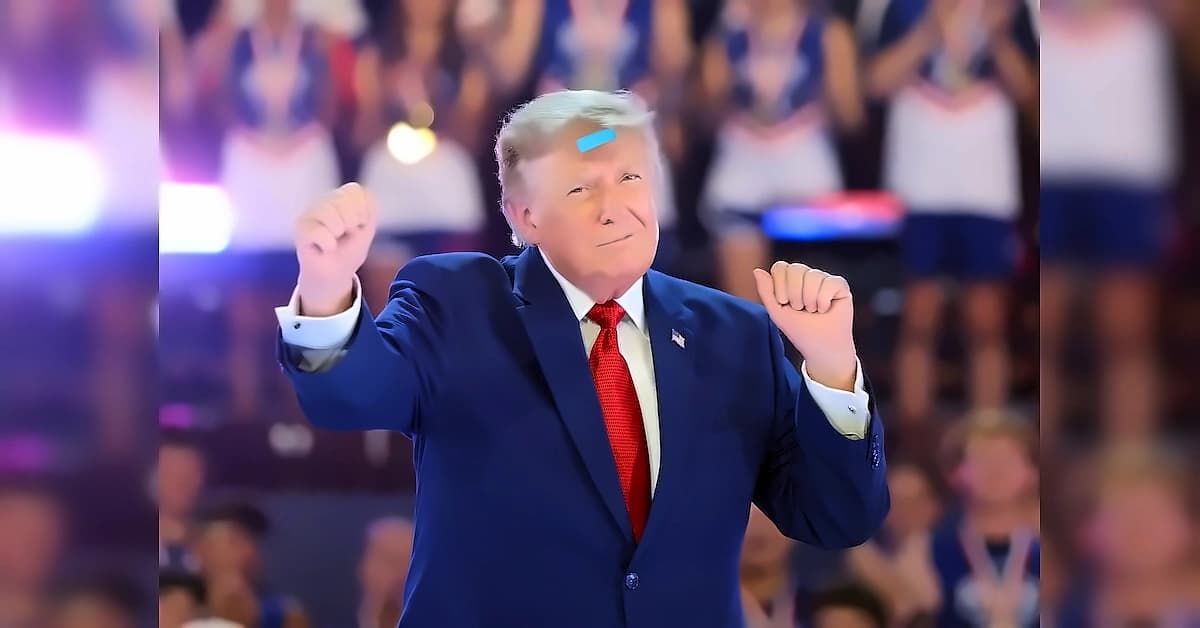
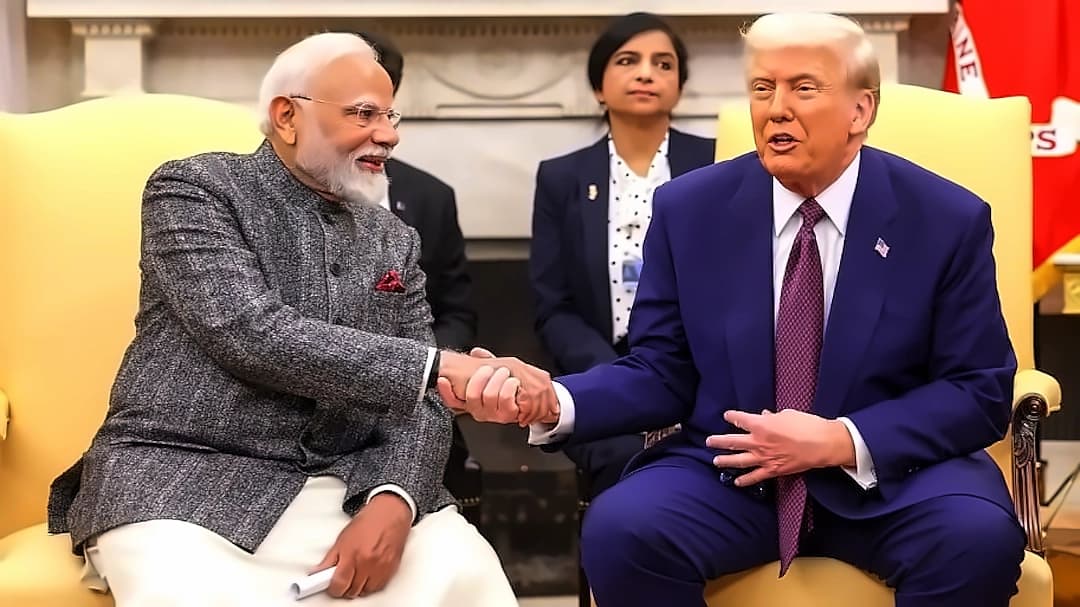
US Secretary of State and National Security Advisor Marco Rubio's visit to India from May 23-26 represented a deliberate effort to repair strained US-India relations, according to reports from Business Standard. However, Lisa Curtis, former Deputy Assistant to the President and National Security Council Senior Director for South and Central Asia from 2017 to 2021, described Rubio's visit as 'more of a band-aid' during an interview with IANS. "Well, I think it was very important for Secretary Rubio to go to India to try to repair some of the damage done to the US-India relationship over the last year," Curtis said. "I think his visit did serve as a kind of band-aid to relations." The visit, which included bilateral talks with Foreign Minister S. Jaishankar and participation in the third Quadrilateral foreign ministers meeting under President Trump's second term, was separated by a visit to the Taj Mahal.
The visit included bilateral meetings with Australia's Foreign Minister Penny Wong and Japan's Foreign Minister Toshimitsu Motegi on the sidelines of the Quad meeting, as reported by Business Standard. According to the analysis, these bilateral meetings were as important as, if not more, than the multilateral Quad session. Rubio's strategic approach was evident in his decision to begin his India visit in Kolkata rather than New Delhi, which Chinese commentators interpreted as soft-power signaling through visits to the Missionaries of Charity. The Kolkata stop attracted attention within Chinese strategic discussions due to the city's importance as an industrial centre and major Bay of Bengal port hub in eastern India, particularly in the context of global supply-chain restructuring and the broader 'China Plus One' strategy aimed at reducing excessive dependence on Chinese manufacturing.
The visit follows President Trump's recent visit to Beijing, where the US and China agreed to pursue 'strategic stability' and engage in dialogue on contentious issues including economic security, cybersecurity, and artificial intelligence, according to Business Standard. The establishment of a Board of Trade and Board on Investment demonstrates that de-risking rather than decoupling from China is now the preferred US strategy. Chinese commentary increasingly views energy diplomacy as central to future international relations, with Rubio's participation in the NATO foreign ministers' meeting in Sweden just days before attending the Quad meeting interpreted as part of a deliberate diplomatic arc linking European security coordination with emerging Indo-Pacific strategic alignments. Chinese academic voices suggest that American oil is unlikely to replace Middle Eastern energy sources in India's import structure in the near future, with US energy supplies serving as a diversification mechanism rather than a structural alternative to India's long-term energy requirements.
Curtis highlighted that several developments over the past year had unsettled India, including tariffs, immigration restrictions and Washington's cosiness with Pakistan. "This is all built up in the Indian psyche," Curtis said. "I think it shows that the second Trump administration has not been prioritising India and its relationship with India as the first Trump administration did." She pointed to a few recent developments that were viewed positively in New Delhi, including Washington extending a waiver allowing India to continue importing Russian oil. However, Indians remained concerned that Trump may be softening his approach towards China after his recent summit with Chinese President Xi Jinping. "I think that the outcome of that summit probably has led Indians to believe that President Trump is much more interested in pursuing smooth ties with China, focusing on trade rather than strategic competition," Curtis said. She added that comments suggesting weapons sales to Taiwan could become a 'negotiating chip' had raised concern across the Indo-Pacific.
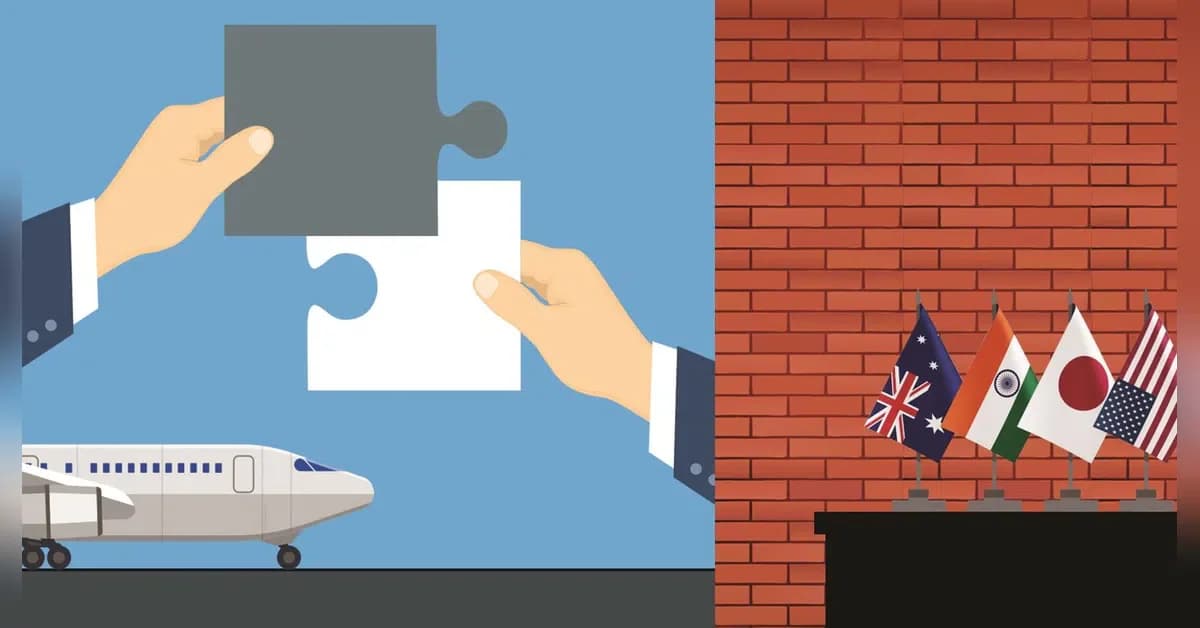
As reported by Business Standard, Rubio described Quad as the linchpin of US Indo-Pacific strategy, but questions remain about its continued relevance given the US-China strategic stability agreement. Curtis noted that the Quad Foreign Ministers' meeting held during Rubio's trip was 'very symbolic' and demonstrated that the grouping "still had momentum even though the leaders did not meet." However, she said that ministerial-level engagement remained active, but doubts persisted without a leaders' summit. "We missed having a leader-level meeting last year," she said. "This was the first time in five years that there was no leader-level meeting." Curtis emphasized that Trump visiting India or publicly stressing India's importance to the US Indo-Pacific strategy would help rebuild trust. "The best thing is for President Trump to keep talking about the importance of India," she said. The Quad grouping, comprising the United States, India, Japan and Australia, has become a central pillar of Indo-Pacific strategy amid growing concerns over China's regional influence.