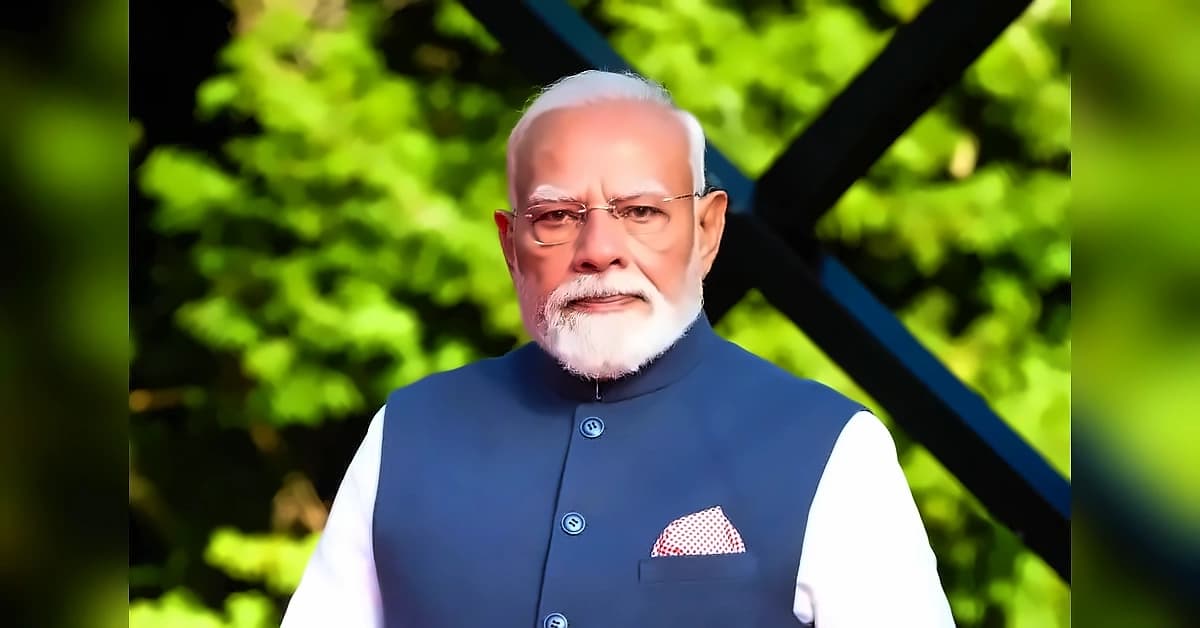
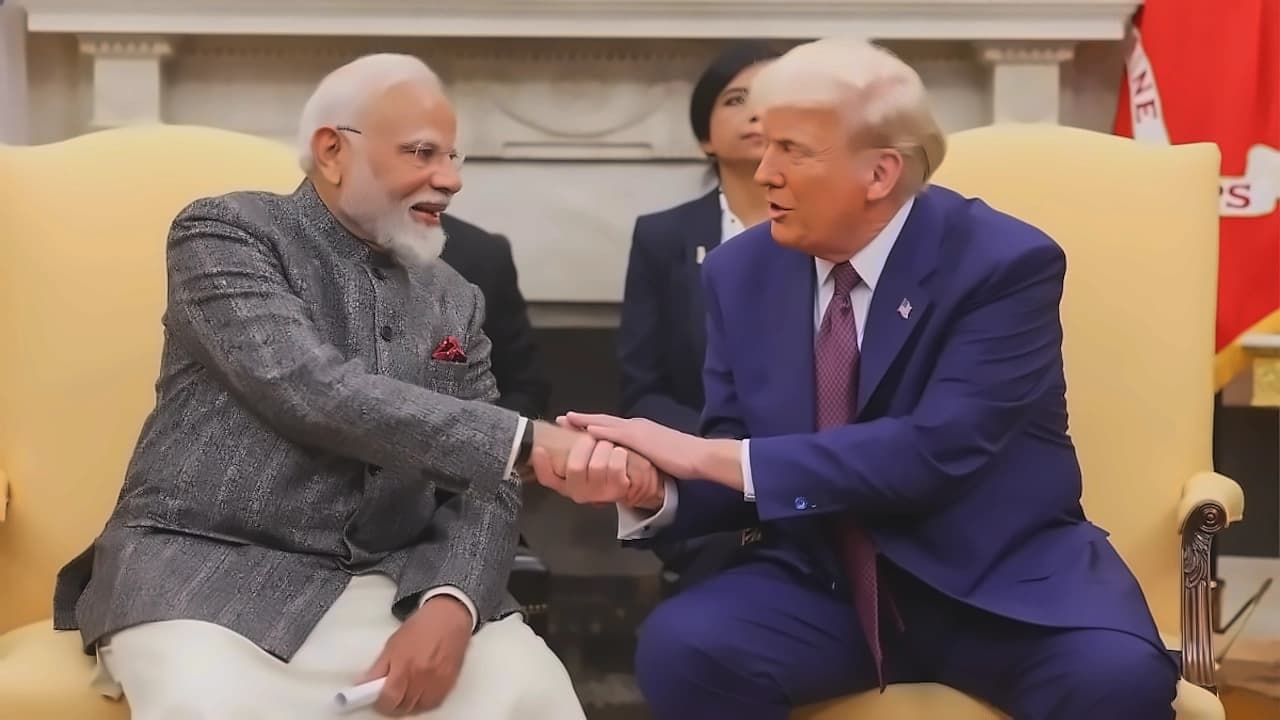
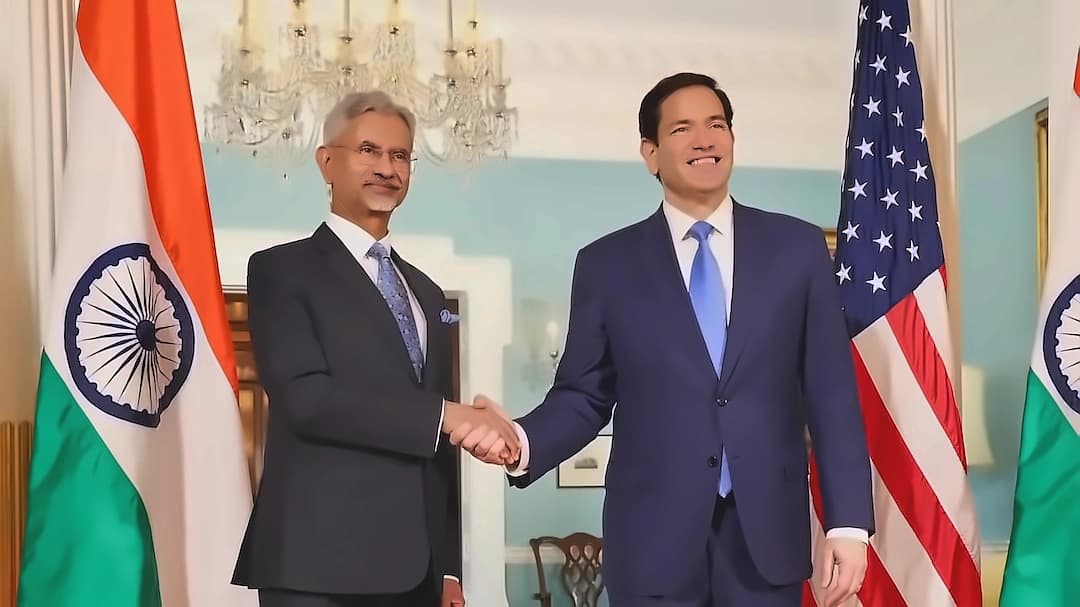
US Secretary of State Marco Rubio arrived in Kolkata on Saturday morning for a four-day visit taking in Kolkata, Agra, Jaipur and New Delhi. According to reports from Reuters and Associated Press, the top US diplomat is on a mission to shore up a partnership battered by President Donald Trump's tariffs and Washington's renewed engagement with New Delhi's rivals Pakistan and China. The visit marks a significant diplomatic milestone as the first by a top American diplomat to Kolkata in 14 years, with the last US Secretary of State to set foot in Kolkata being Hillary Clinton in May 2012. After landing in Kolkata at 7 a.m. on Saturday (May 23, 2026), Rubio visited the Mother House in central Kolkata, the global headquarters of Saint Teresa's Missionaries of Charity, and its adjoining Children's Home, a visit carrying strong symbolic and cultural resonance. The visit represents Rubio's first official trip to India and comes as Washington seeks to stabilize relations with New Delhi after ties soured over Trump's tariff policies, which raised duties on several Indian exports. US Ambassador to India Sergio Gor confirmed via social media that Rubio will call on Prime Minister Narendra Modi later Saturday in New Delhi, with discussions covering trade, technology, defence, and QUAD among other items. As Rubio noted ahead of his visit, 'There's a lot to work on with India, they're a great ally and partner. We do a lot of good work with them so this is an important trip,' highlighting the strategic importance of the diplomatic engagement.
The visit includes comprehensive meetings with India's top leadership and diplomatic officials. According to Reuters and Associated Press, Rubio is scheduled to meet Prime Minister Narendra Modi in the afternoon after arriving in New Delhi, followed by bilateral talks with External Affairs Minister S. Jaishankar on Sunday (May 24, 2026). The Secretary will also attend the U.S. Embassy's Independence Day celebrations on Sunday. On Monday (May 25, 2026), Rubio will travel to Agra and Jaipur before returning to Delhi on Tuesday (May 26, 2026) for the Quad Foreign Ministers' meeting. Ways to bolster India-U.S. ties in energy, trade, investment, critical technology, and people-to-people exchanges are likely to dominate the talks between Jaishankar and Rubio, as confirmed by people familiar with the matter. The two sides are also expected to deliberate on the West Asia crisis and its economic impact, including on energy supplies, highlighting the current geopolitical challenges facing both nations. US Ambassador Sergio Gor confirmed that the upcoming engagements will primarily focus on strengthening cooperation in key strategic sectors, including defence partnerships, advanced technologies, trade ties and collaboration under the Quadrilateral Security Dialogue (QUAD) framework.
The visit comes with significant announcements regarding energy cooperation between the two nations. According to reports, Rubio announced Washington's keenness to significantly scale up energy partnerships with India, declaring that the United States is prepared to supply 'as much energy' as New Delhi is willing to buy. Interacting with the media in Miami before departing for Sweden and India, Rubio indicated that the US has already initiated high-level talks with Indian authorities to boost energy exports, a development propelled by American oil and gas production hitting historic highs. To anchor this economic agenda, Rubio underscored that Washington aims to embed itself more deeply into India's diversified energy matrix, whilst hinting at the possibility of collaborative arrangements involving Venezuelan crude provisions. These remarks came directly against the backdrop of queries regarding the economic pressures India navigates due to volatile global fuel pricing and maritime logistical vulnerabilities stemming from recent instabilities surrounding the Strait of Hormuz. The top American diplomat characterized the relationship between the two democracies as robust under these testing global conditions, describing India as a 'great partner' and stressing the importance of strengthening bilateral ties across multiple sectors.
Rubio's visit comes ahead of the Quad meeting of foreign ministers from the informal Quad security forum comprising the US, Japan, Australia and India in New Delhi on May 26. The Quad, or the Quadrilateral Security Dialogue, has been referred to as 'the Asian version of NATO' and was formed as a response to the rising power of China. The multi-city tour and gala reception in New Delhi marking the 250th anniversary of U.S. independence will form a significant part of Rubio's four-day visit. Official communications from the Ministry of External Affairs (MEA) confirmed that the strategic huddle will see the participation of US Secretary of State Marco Rubio, Australian Foreign Minister Penny Wong, and Japanese Foreign Minister Toshimitsu Motegi. Alongside the core plurilateral talks, the visiting dignitaries are slated to call on Prime Minister Narendra Modi and engage in structured, one-on-one bilateral sessions with Jaishankar. 'In keeping with the Quad vision for a Free and Open Indo-Pacific, the ministers will build on discussions held in Washington DC on July 1, 2025,' the MEA stated. The upcoming discussions are poised to deepen operational synergies among the partner democracies, as New Delhi steers the grouping's agenda as the rotational chair. The meeting comes as China continues to test geopolitical and security boundaries in the region, with analysts noting that 'it's another issue, which is not on the agenda, that looms large over the gathering: how to keep the alliance alive and relevant in an ever more challenging geopolitical landscape and an increasingly assertive China.'
The diplomatic engagement faces significant headwinds from unresolved trade disputes, with one person familiar with the talks telling Reuters that the US has been disappointed with India's perceived foot-dragging. Many of the tariffs imposed by Trump were rolled back in an interim agreement, but the two countries are yet to finalise a comprehensive trade agreement. According to Reuters, Rubio's talks in India are expected to focus on trade, energy and defence cooperation, as confirmed by the State Department. Last year, relations between the US and India neared crisis point when Trump imposed additional 25 percent trade tariffs – doubling existing ones to 50 percent – as punishment for India's continued purchase of Russian oil. In October, following a meeting with Modi, Trump said that India had committed to ceasing Russian oil purchases, with Trump agreeing to slash US tariffs on Indian goods to 18 percent. However, since the start of the US-Israel war on Iran and the subsequent closure of the Strait of Hormuz, India has continued to buy Russian oil, with the US now hoping to persuade India to buy oil from the US and Venezuela instead. Meanwhile, the US government announced a new rule on Friday requiring foreigners to leave the US and apply for a green card from their home countries, a policy that could impact many Indian nationals currently residing in the US who want to change their visa status. As DW reports, 'From now on, an alien who is in the US temporarily and wants a green card must return to their home country to apply, except in extraordinary circumstances,' according to US Citizenship and Immigration Services.
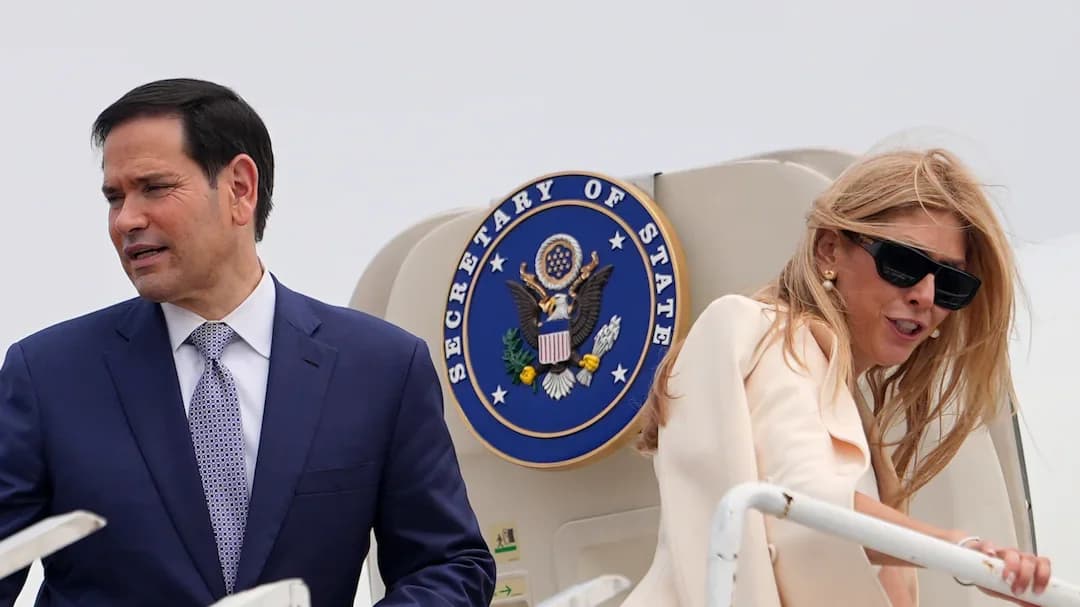
The visit comes as the US seeks to repair the bilateral ties that have been under strain since mid-last year. According to Reuters, US presidents, including Trump in his first term, have long tried to pull historically non-aligned India closer as a counterweight to Russian and rising Chinese influence in the Indo-Pacific. However, analysts suggest the efforts appear to have taken a blow when Trump slapped some of the highest US tariffs on India. Richard Rossow of the Center for Strategic and International Studies told Reuters that 'I do not expect Secretary Rubio will have much impact in changing the downward trajectory.' The timing of the visit, coinciding with the Quad foreign ministers conclave, underscores the importance of regional diplomatic coordination and the alliance's focus on China's military activities in the South China Sea. Mr. Rubio's trip to India comes more than five weeks after Foreign Secretary Vikram Misri undertook a three-day visit to Washington DC that focused on stabilising the ties after a spell of uncertainty and strain. The visit also coincides with positive developments in trade relations, as recent US-India trade talks reduced the duty on bourbon from 150% to 100%, significantly improving the economics of selling US whiskey in India, the world's largest whiskey-drinking nation where roughly 230 million cases are consumed annually, accounting for nearly half of global whiskey sales.