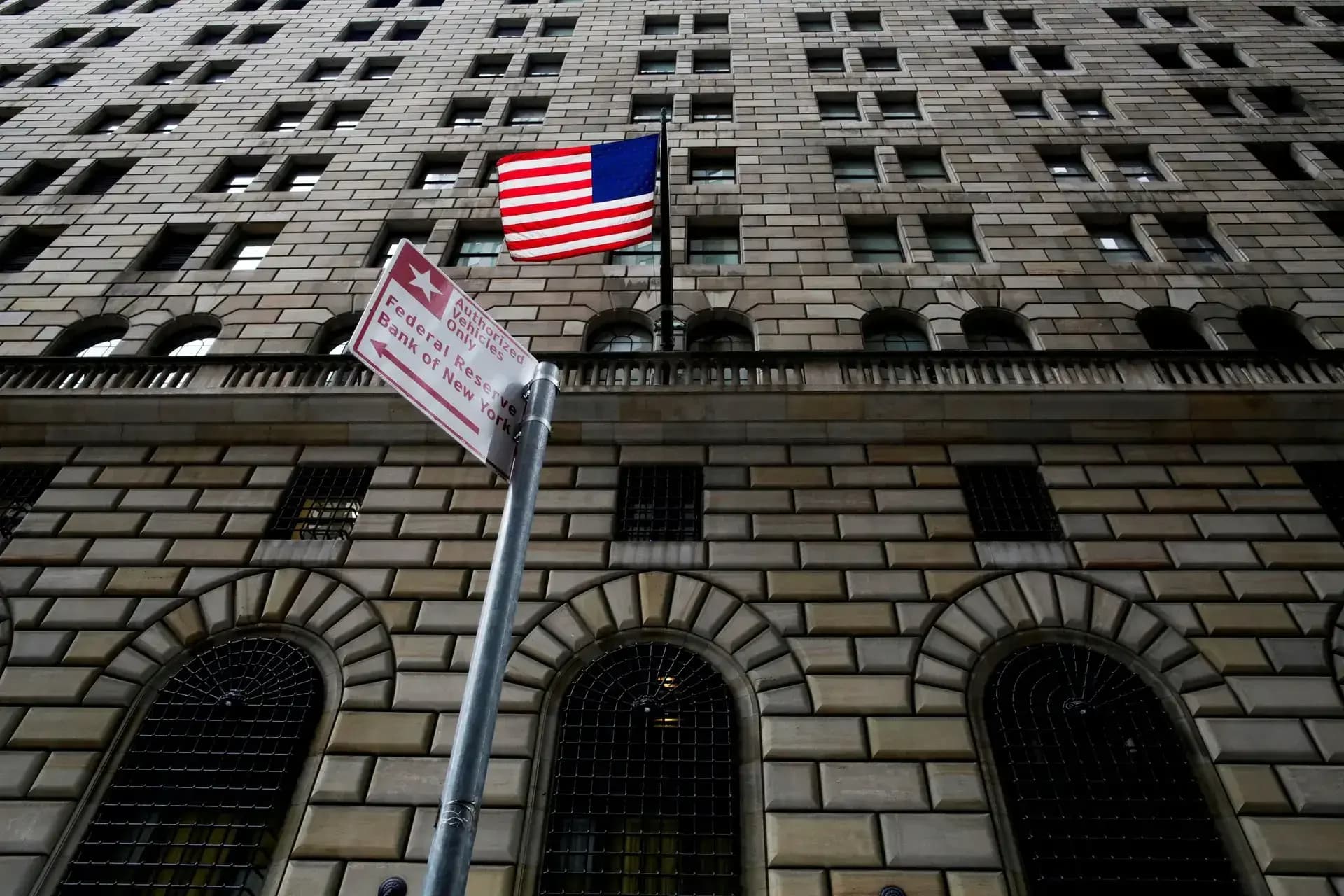
The Federal Reserve delivered a markedly more hawkish policy message than investors had anticipated, holding the federal funds rate unchanged at 3.50% to 3.75% while removing its projected 2026 rate cut from the updated dot plot entirely. As reported by Investing.com India, the FOMC decision saw nine officials now forecasting at least one rate hike this year, eight expecting rates to hold, and only one projecting a reduction. The committee also raised its inflation forecasts, removed its prior easing bias from the policy statement, and lowered its near-term growth outlook while upgrading its labor market assessment. Treasury yields continued to reflect the repriced rate path, with the 10-year note trading near 4.49% and the 2-year yield rising to 4.21%. However, recent analysis suggests that half the FOMC don't think the Fed needs to hike, with a lengthy pause emerging as a more likely scenario as inflation concerns diminish.

As reported by Investing.com India, the jobs market recovery appears less impressive when excluding private health/social care and hospitality sectors. These sectors account for only 25% of jobs but 67% of jobs growth so far this year. While hiring has improved elsewhere, it hasn't been nearly as rapid as the headline figures imply. Crucially, there's very little sign that this improvement is feeding into broader wage pressure, which should help inflation fears recede as the year progresses. Recent analysis confirms this trend, with the jobs market recovery looking less robust when examined beyond these concentrated sectors.
According to Investing.com India, inflation fears should start to recede as the year goes on due to several factors. Kevin Warsh acknowledged this week that policy still looks restrictive when looking at what's happening in housing, where rents are barely rising. This should increasingly pull core CPI lower given housing's huge weight in the index. Adding lower fuel prices, a reversal of recent airfare spikes, and the fading impact of tariffs, the case for rate hikes looks much less compelling. Recent analysis supports this view, noting that food inflation fell sharply in May not just in the eurozone but in the UK and parts of Eastern Europe, providing early signs that inflation pressures are moderating beyond fuel-intensive categories.
Economic data released Thursday reinforced the case for a prolonged period of elevated interest rates, with May retail sales rising 0.9%, surpassing the consensus estimate of 0.6% and signaling continued consumer resilience despite elevated borrowing costs and rising energy prices. Gas station sales climbed 3.4% month over month, reflecting higher energy costs, while core retail categories that feed directly into gross domestic product computations also posted solid gains. The stronger-than-expected spending data, combined with the FOMC's upgraded labor-market assessment and raised inflation forecasts, strengthened the argument that the U.S. economy can sustain higher interest rates without entering a contraction. However, recent analysis suggests that by next winter, policymakers should have a much clearer sense of whether energy costs are feeding into pay negotiations and stickier inflation categories, which could influence future rate decisions.
The U.S. Dollar Index strengthened in the wake of the announcement, increasing the opportunity cost of holding non-yielding precious metals and drawing capital toward interest-bearing dollar-denominated assets. Equity markets staged a partial recovery on Thursday, with the S&P 500 closing higher and the Nasdaq advancing nearly 2% led by semiconductor stocks — but the prospect of a more restrictive monetary policy environment kept precious metals under sustained selling pressure through the close. According to Investing.com India, investors currently think rates are heading higher and staying there, with rates priced 50 basis points higher in the US a year from now, though recent analysis suggests that by this time next year, central banks will be quietly preparing to explain why they're going lower if current trends continue.