The United States' decision to remove the word 'Indo' from its Indo-Pacific Command and revert to Pacific Command may signal a strategic shift that could impact the Quad coalition. According to reports from Business Standard, this move came even as Quad foreign ministers met last month to discuss reviving the group's momentum. US Secretary of State Marco Rubio declared the group was 'transforming' from a place where people just met and discussed issues to one where they actually took action to solve them. Indian External Affairs Minister S Jaishankar proclaimed that the Indo-Pacific region's growing importance would increase the Quad's responsibilities.
One of the key initiatives declared at the foreign ministers' meeting was the announcement of the Indo-Pacific Maritime Surveillance Collaboration (IPMSC), which signals a deliberate shift towards the Indian Ocean. As reported by Business Standard, this initiative aims to integrate surveillance capabilities across Quad members and generate a near-real-time maritime picture using satellite tracking and shared data. Additional Secretary Nagaraj Naidu explained that the IPMSC will 'bring in more technology to bear' and enable real-time data provision to partners. The initiative builds on the existing Indo-Pacific Partnership for Maritime Domain Awareness (IPMDA) framework launched in Tokyo in May-April 2022.
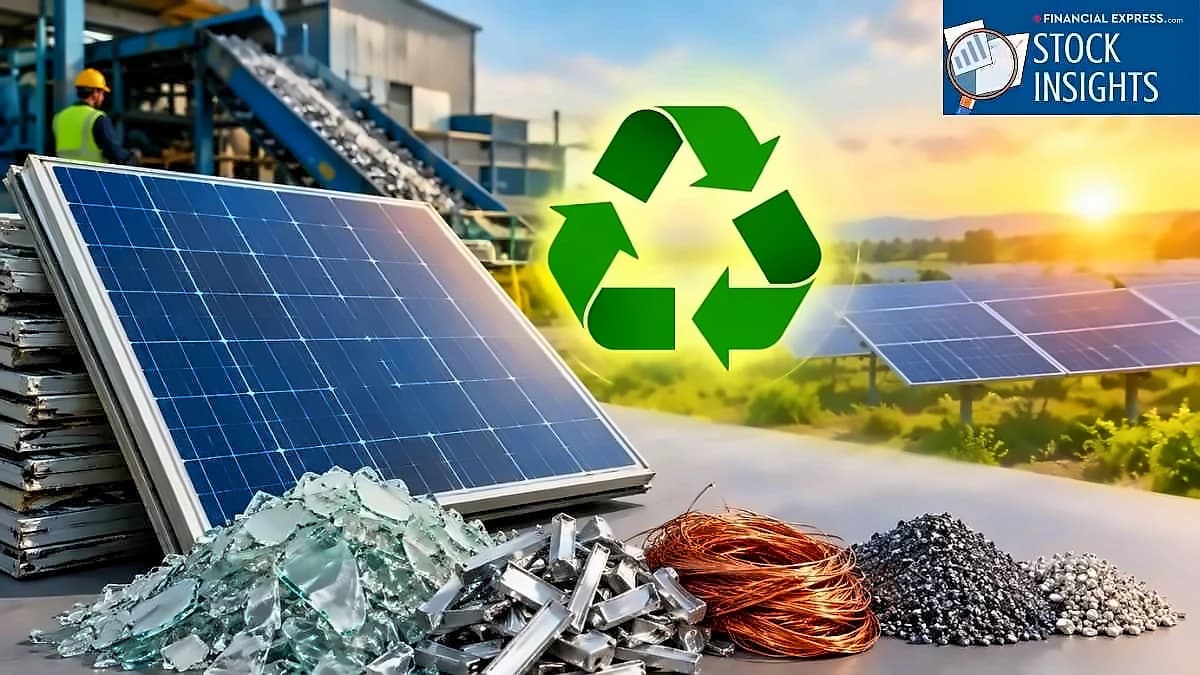
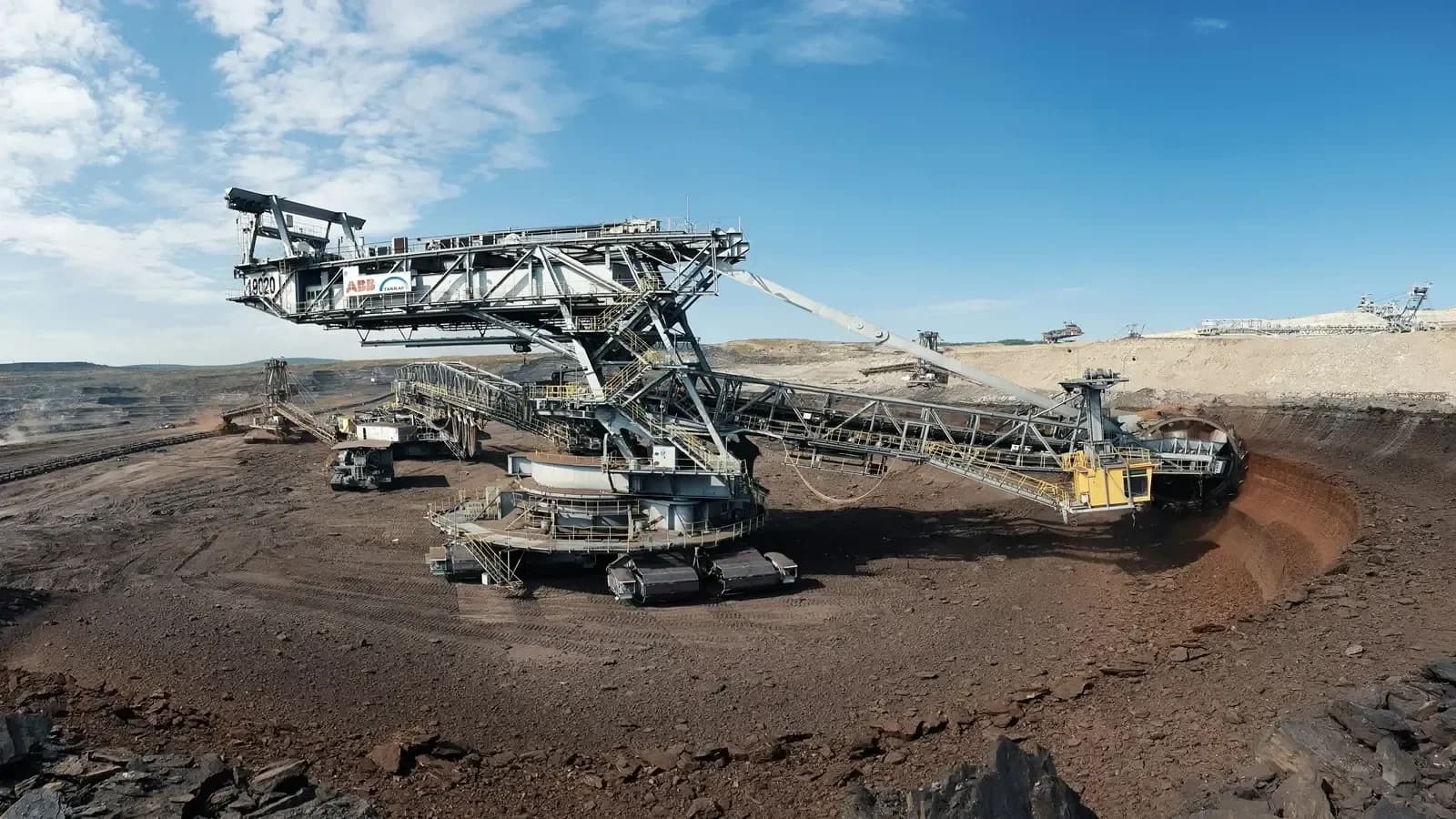
The meeting also launched a Critical Minerals Initiative Framework, committed to mobilising up to $20 billion in government and private sector financing for mining, processing and recycling projects. According to Business Standard, this initiative responds to China's suspension of critical mineral exports in November-October 2025, which exposed supply chain vulnerabilities. Rajeswari Pillai Rajagopalan noted that 'single-source dependency, particularly on China, has become a major vulnerability' during the Covid-19 period. The proposed support is expected to cover the entire value chain, including mining, processing and recycling, with these minerals essential for batteries, semiconductors, clean-energy technologies, and defence applications where China dominates global processing capacity. The grouping also launched the Indo-Pacific Energy Security Initiative and a port infrastructure pilot in Fiji, marking the Quad's first-ever joint physical infrastructure project.
Despite the Quad's $20 billion initiative, India faces significant structural challenges in converting mineral access into strategic capabilities. According to the Economic Survey 2024-25, India faces significant vulnerabilities in its supply chains, with 24 of 33 minerals identified as vital to the country's economic security at high risk of supply disruption. The survey reveals that India is 100 per cent dependent on imports for 10 critical minerals including lithium, cobalt, nickel, vanadium, niobium, germanium, rhenium, beryllium, tantalum and strontium. Nitin Gupta from Attero noted that 'China supplies more than 90 per cent of the world's critical minerals, with its share ranging from 70 per cent to 99 per cent depending on the mineral', with India importing almost all of its critical mineral requirements from China. India lacks commercial-scale facilities for refining key battery materials such as lithium carbonate, graphite and nickel-cobalt sulphates, despite holding roughly 6 per cent of global rare-earth deposits.

The most critical challenge lies in India's absence of commercial-scale refining capabilities and advanced processing technologies. Chaitanya Giri from ORF emphasized that 'China built an integrated ecosystem, spanning mining, refining, manufacturing and logistics over several decades, controlling the entire value chain from mines to electronics'. India's processing capabilities remain severely limited, with Amit Barnwal from IIT Hyderabad noting that 'India does not yet have sufficient expertise to extract critical minerals from ores' and that many technologies require hydrometallurgical expertise where India has very few practitioners. The National Critical Mineral Mission (NCMM) with an outlay of ₹16,300 crore until 2030-31 aims to address these gaps through domestic exploration, processing, recycling and overseas acquisition, but experts warn that $20 billion seems minuscule compared to the scale of investment required for R&D and environmental-friendly refining technologies. India's recycling ecosystem remains underdeveloped, with only about 1.5 per cent of the 900,000 tonnes of ewaste processed annually being refined into critical minerals and precious metals.
The critical mineral dependency extends directly to India's defence capabilities and strategic autonomy. China's April 2025 export restrictions on seven rare-earth elements and permanent magnets exposed India's vulnerability, with India sourcing 81.3 per cent of its permanent magnets from China and China accounting for 73 per cent of India's imports of rare-earth elements. Ken Moriyatsu noted that the Quad lacks a clear, consistent agenda and tends to oscillate between issues like space, health, supply chains, and technology, while China has expressed concerns about bloc confrontation and warned against targeting third parties. Defence indigenisation will not succeed without parallel self-reliance in critical minerals, as emphasized by experts, with the challenge becoming evident when India's processing capabilities are examined against China's integrated ecosystem. The success of Quad's critical minerals initiative may ultimately depend not on securing overseas assets but on whether countries like India can build the scientific capability, industrial infrastructure, and processing ecosystem needed to convert raw materials into strategic defence components and advanced technologies.