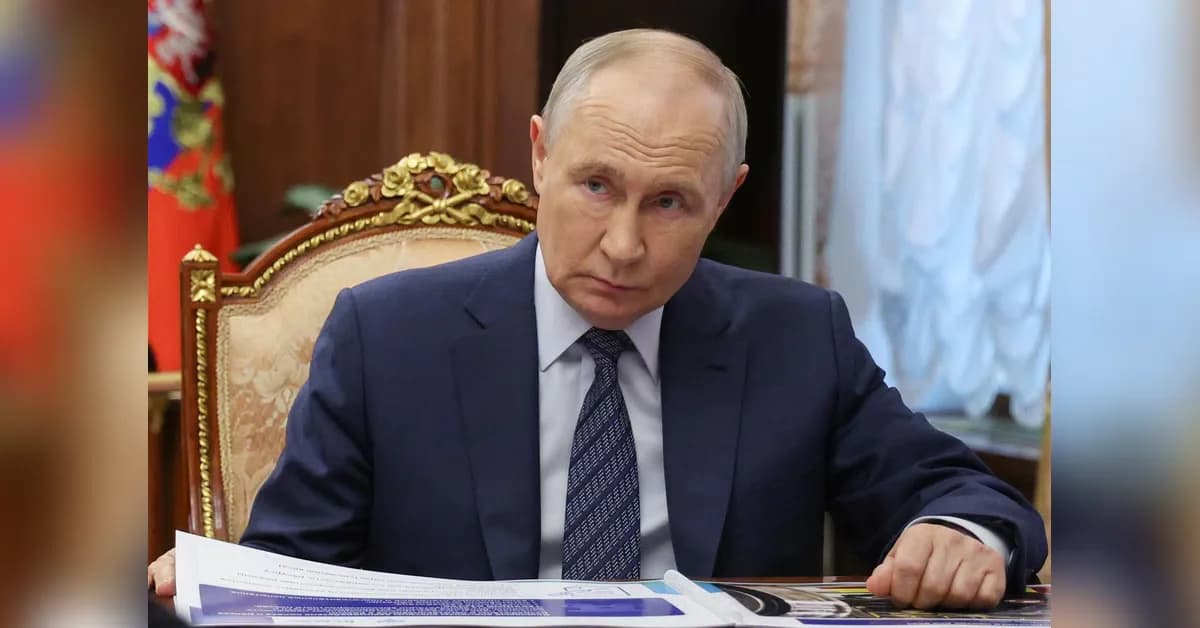
Russian President Vladimir Putin is resisting calls to negotiate peace with Kyiv, according to three sources close to the Kremlin who spoke to Reuters. The sources indicated that Putin was instead likely to escalate the conflict, now well into its fifth year. One source who meets regularly with the president described a 'high probability' of escalation in the coming months, as reported by Reuters. Recent Ukrainian drone strikes on Russian oil refineries, ports and energy infrastructure have reinforced Putin's determination to continue fighting rather than seek a negotiated settlement. Two of the sources said there is a strong possibility that Russia will escalate military operations in Ukraine over the coming months.
Ukraine has intensified its military operations against Russian targets, with Ukrainian drones hitting a dozen more Russian tankers in the Sea of Azov overnight, according to Ukraine's military. The vessels were used to supply fuel to the Russian military and transport oil and petroleum products in circumvention of international sanctions, as reported by the Ukrainian military's General Staff on Telegram. This brings the total number of vessels targeted in the Sea of Azov and the Black Sea over the past four days to 36, including 32 so-called Russian 'shadow fleet' tankers and two dry cargo ships. The attacks have contributed to fuel shortages and highlighted the economic costs of the war for ordinary Russians, with repeated strikes on oil refineries and fuel depots. Recent Russian successes have made Putin angrier and more determined to give a tough response, according to the person who meets Putin regularly.
According to sources familiar with Putin's thinking, he has 'dug in his heels' to achieve the key objective of capturing the remainder of Ukraine's eastern Donbas region, where Russian advances have slowed this year. The same source said Putin recently rebuked a group of advisers suggesting a compromise based on a ceasefire along the current front lines. Another source indicated that Putin believes Russia will soon capture the Donbas region. Speaking to generals last week in televised comments, Putin said Ukraine's strikes on energy infrastructure meant Russia would seek to capture more Ukrainian land along the border, beyond Donbas, as a 'security zone'. A former Russian defense ministry official, Andrei Ilnitsky, suggested that escalation could start with the destruction of 30 major industrial sites in Ukraine, including a steel plant and Odesa port. Putin considers winning control of the region a matter of principle, saying the Russian president 'needs some kind of victory'.
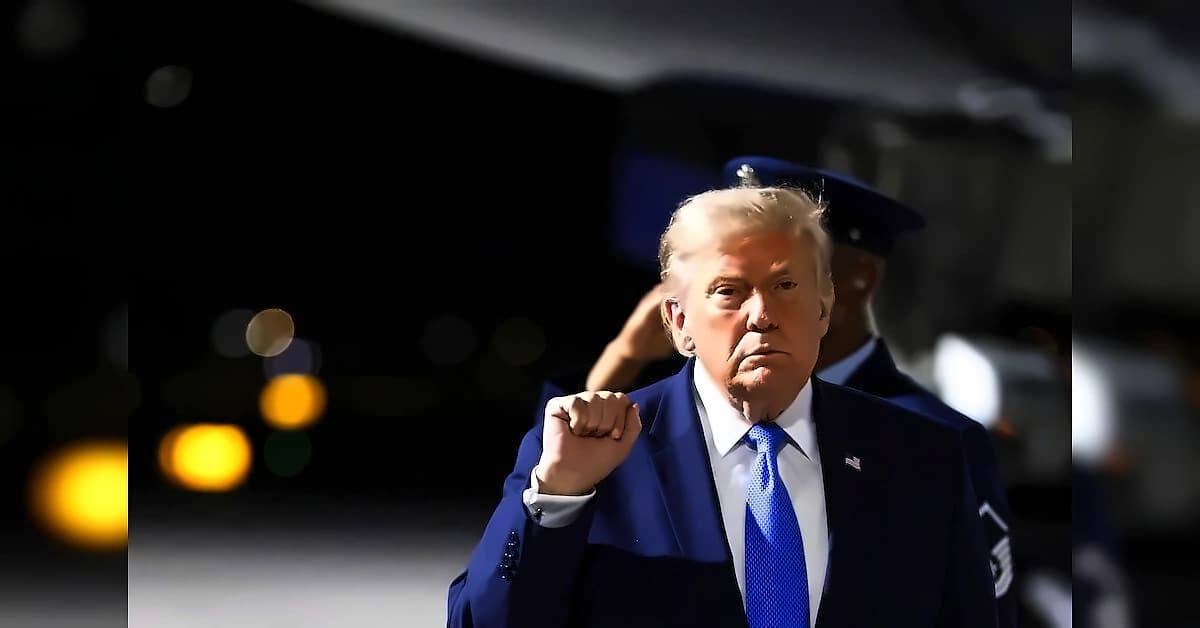
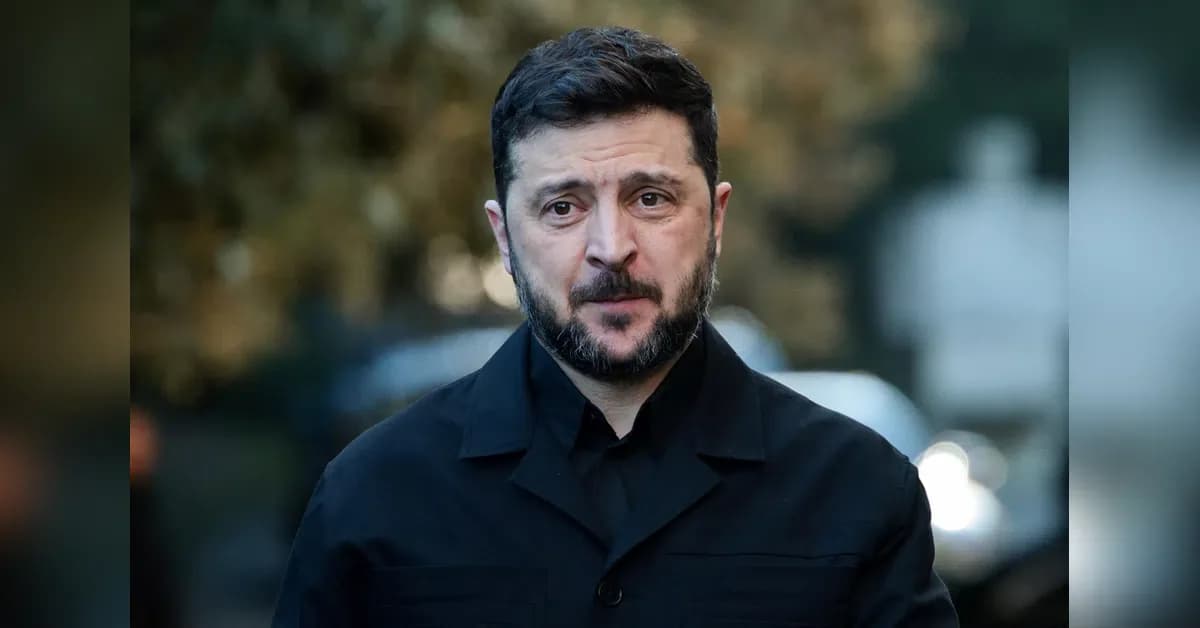
The comments come after US President Donald Trump on Monday said that Putin wanted the war to end and that a resolution was closer than people realize. Trump held separate phone calls with Putin and his Ukrainian counterpart Volodymyr Zelenskyy last week, and met Zelenskyy at the Nato summit on Wednesday where they discussed ideas to bring peace closer. However, Putin publicly rebuffed a call by Zelenskyy in June for a meeting and a ceasefire, according to Reuters. While rejecting suggestions that Moscow is preparing for negotiations, the Kremlin publicly maintained that Russia remains willing to pursue a peaceful resolution. Kremlin spokesman Dmitry Peskov said Russia possesses sufficient military capabilities to continue what Moscow calls its 'special military operation' while remaining open to diplomacy. Asked about escalation concerns, Peskov told reporters this week that Russia should strengthen its own security and cannot 'close its eyes' to the militarization of Europe.
Despite maintaining high public approval ratings, Putin faces increasing domestic pressure as Ukraine's long-range drone campaign reaches deeper into Russian territory. Russian military analysts have increasingly discussed the possibility of broadening the conflict, with some publicly suggesting strikes against military facilities in NATO countries, particularly in the Baltic region. Russian forces have struggled to advance this year along the 1,200-km front line as Ukraine's drones counter Russia's numerical advantage in troops. Russia's slower progress on the battlefield has raised the prospect that considerable time and casualties will be needed to take Donbas. To date, about two million soldiers have been killed, wounded, or missing since the full-scale invasion in early 2022, with 1.4 million of them Russian, according to a recent estimate by the Center for Strategic & International Studies. Some Western military analysts believe Russia would need a mandatory draft of fighting-age men to achieve the goal of taking the Donbas, a politically unpopular move Putin has been reluctant to make since early in the war.