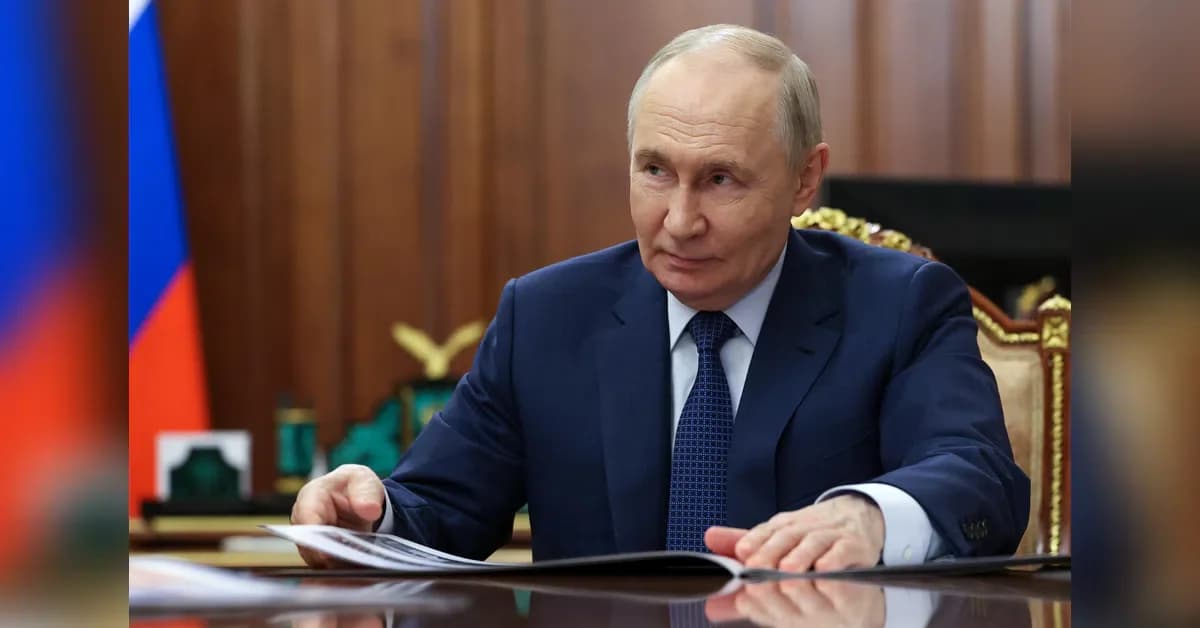
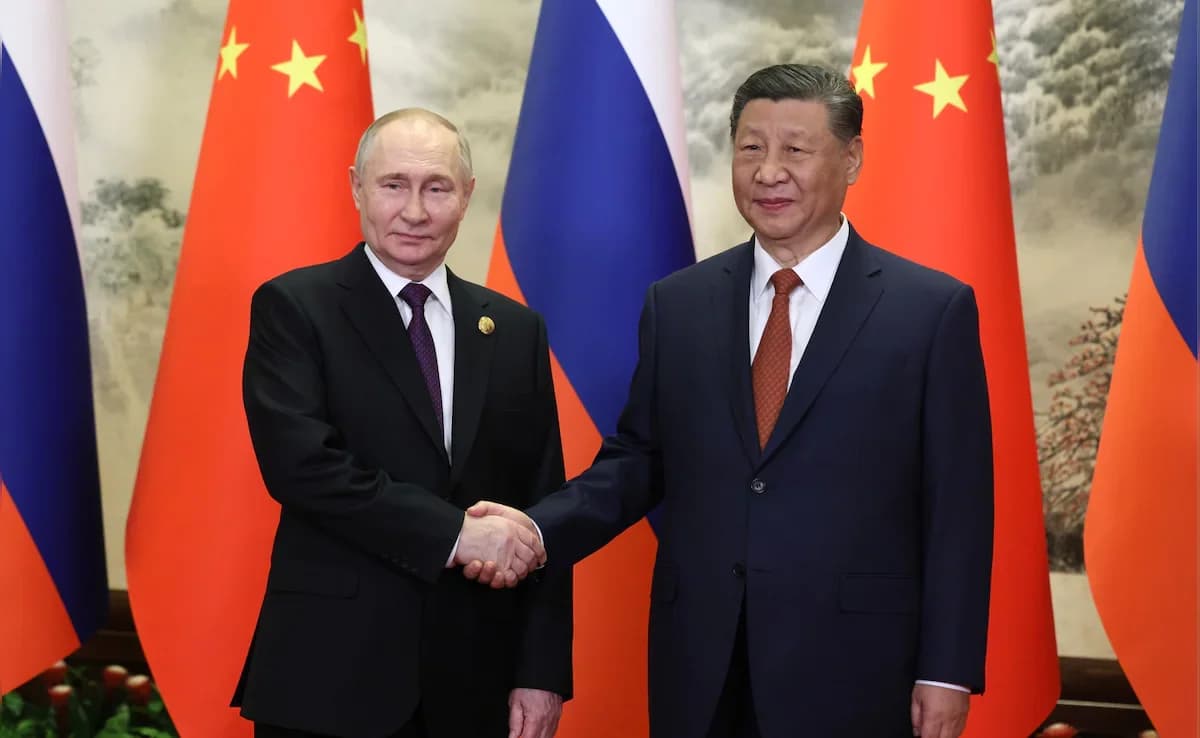
Russian President Vladimir Putin will meet with Chinese leader Xi Jinping on a two-day trip to Beijing from May 19-20, according to the Kremlin announcement on Saturday. The visit is strategically timed to coincide with the 25th anniversary of the 2001 Treaty of Good-Neighborliness and Friendly Cooperation, as reported by TASS news agency. The announcement comes less than 24 hours after US President Donald Trump finished his own state visit to China, where he also met Xi to discuss trade and the US and Israel's war on Iran. The two leaders will discuss 'further strengthening the comprehensive partnership and strategic cooperation' between Moscow and Beijing, with Putin also scheduled to discuss economic and trade cooperation with Chinese Premier Li Qiang. As per Business Standard, the talks will cover bilateral relations as well as 'key international and regional issues' and economic cooperation. According to The New York Times, Putin watched Trump's visit closely and is looking forward to discussing major issues with Xi during the two-day visit, which will begin on Tuesday. The Kremlin announced that a joint statement 'at the highest level' and several bilateral intergovernmental, interdepartmental, and other documents are expected to be signed following the meeting. Russia's Ministry of Foreign Affairs confirmed in a post on Telegram that Putin would make the official trip 'at the invitation' of Chinese President Xi Jinping.
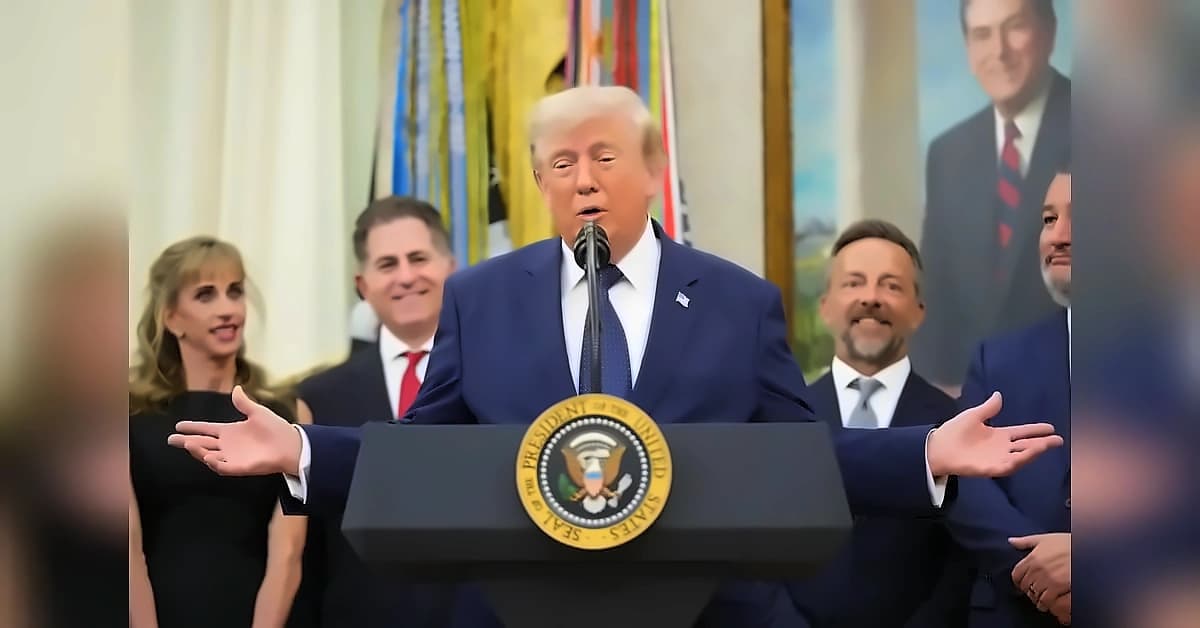
The announcement came just one day after US President Donald Trump wrapped up his own trip to Beijing, marking the first presidential visit to Beijing in almost a decade. According to Business Standard, this timing suggests coordinated diplomatic engagement between major powers on regional issues. While Trump and Xi touted several broad trade deals during their talks, they appeared to make little public progress on key sticking points related to Taiwan or the US-Israel war on Iran. The timing of Putin's arrival in Beijing so swiftly after Trump's departure sends a pointed signal about where China's deeper strategic loyalties lie. As reported by The New York Times, Dmitri Peskov, the Kremlin's spokesman, told reporters on Friday that the trip would give Moscow 'a good opportunity to share opinions on the contacts the Chinese had with the Americans'. Putin is also scheduled to visit China for the Asia-Pacific Economic Cooperation summit in the city of Shenzhen in November.
Relations between China and Russia have deepened in recent years, particularly since the start of Russia's full-scale invasion of Ukraine in early 2022, which left Moscow shunned on the global stage and heavily reliant on Beijing for trade due to Western sanctions. As reported by Business Standard, when Putin visited China in September 2025, Xi welcomed his counterpart as an 'old friend' and Putin addressed Xi as 'dear friend'. The Russian leader's previous visit demonstrated the strengthening diplomatic ties between the two nations. Xi's 'no limits' alliance with Putin — announced just before the full-scale Russian invasion of Ukraine in 2022 — has undercut Beijing's claims of neutrality, with China also denying reports showing that Chinese firms have sustained Russian drone production. Speaking after Victory Day celebrations in Moscow on May 9, Mr. Putin said that Russia and China were 'very close to agreement on taking a highly significant step forward in oil and gas cooperation' and expressed hope that they could finalize these agreements during the visit. As reported by The New York Times, 'We discussed – well, it's one that we'd like to see settled,' Trump said in remarks reported by the Kyiv Post, referring to the Russia-Ukraine conflict.
Economically, the two nations have grown increasingly intertwined since Western sanctions isolated Moscow. China is now by far Russia's biggest trading partner by volume, with transactions almost entirely carried out in Russian roubles and Chinese yuan. Last month, Xi pressed for 'closer and stronger strategic coordination' between Beijing and Moscow in a meeting with Russian Foreign Minister Sergey Lavrov. The economic partnership has become so integrated that China has also denied reports from Reuters and other news agencies showing that Chinese firms have single-handedly sustained Russian drone production, in part by shipping engines mislabelled as 'industrial refrigeration units' to drone assembly plants. However, as reported by The New York Times, Russia has a lopsided economic relationship with China, with China supplying more than a third of Russia's imports and buying more than a quarter of its exports, while Russia accounts for only about 4 percent of China's international trade — a smaller share than Vietnam's. With Moscow engaged in a high-stakes conflict with the West in Ukraine, Beijing has been trying to preserve at least a semblance of equality, and Russia's value to China as a reliable source of energy has increased since war in Iran put global supplies of oil and natural gas under strain.
Meanwhile, Ukraine repatriated the bodies of fallen soldiers on Saturday following an earlier exchange with Moscow involving prisoners of war. According to Business Standard, Russia returned 528 bodies that 'according to the Russian side, may belong to Ukrainian servicemen', while Ukraine's Coordination Headquarters for the Treatment of Prisoners of War confirmed that experts will now take necessary measures to identify the deceased. This comes after Russia and Ukraine swapped 205 prisoners of war on Friday, with Ukrainian President Volodymyr Zelenskyy stating it was the first phase of a planned swap of 1,000 POWs from each side. The Russia-Ukraine war, in which China is officially neutral and Xi has presented himself as a mediator, was also discussed during Trump's recent Beijing visit. Putin also said that Moscow was closely following the plans for Trump's Beijing visit and hoped that there would be 'no illegitimate sanctions or escalating economic tensions' between the United States and China. Negotiations to end the fighting in Ukraine, brokered by the United States, have appeared stalled since the beginning of the US-Israeli war with Iran which broke out on February 28. Moscow has ruled out a ceasefire or comprehensive negotiations with Ukraine unless Kyiv caves to the Kremlin's maximalist demands.