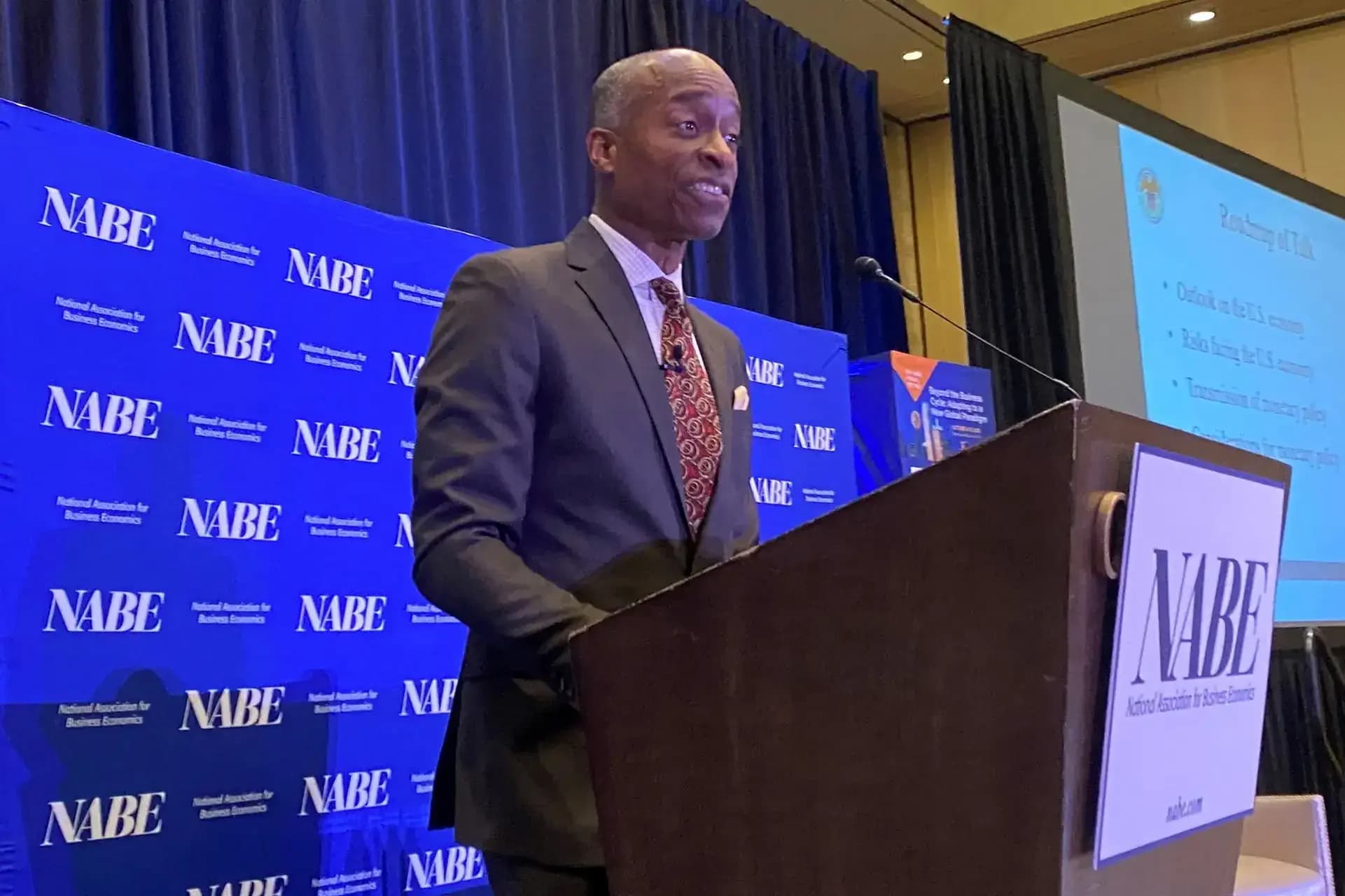
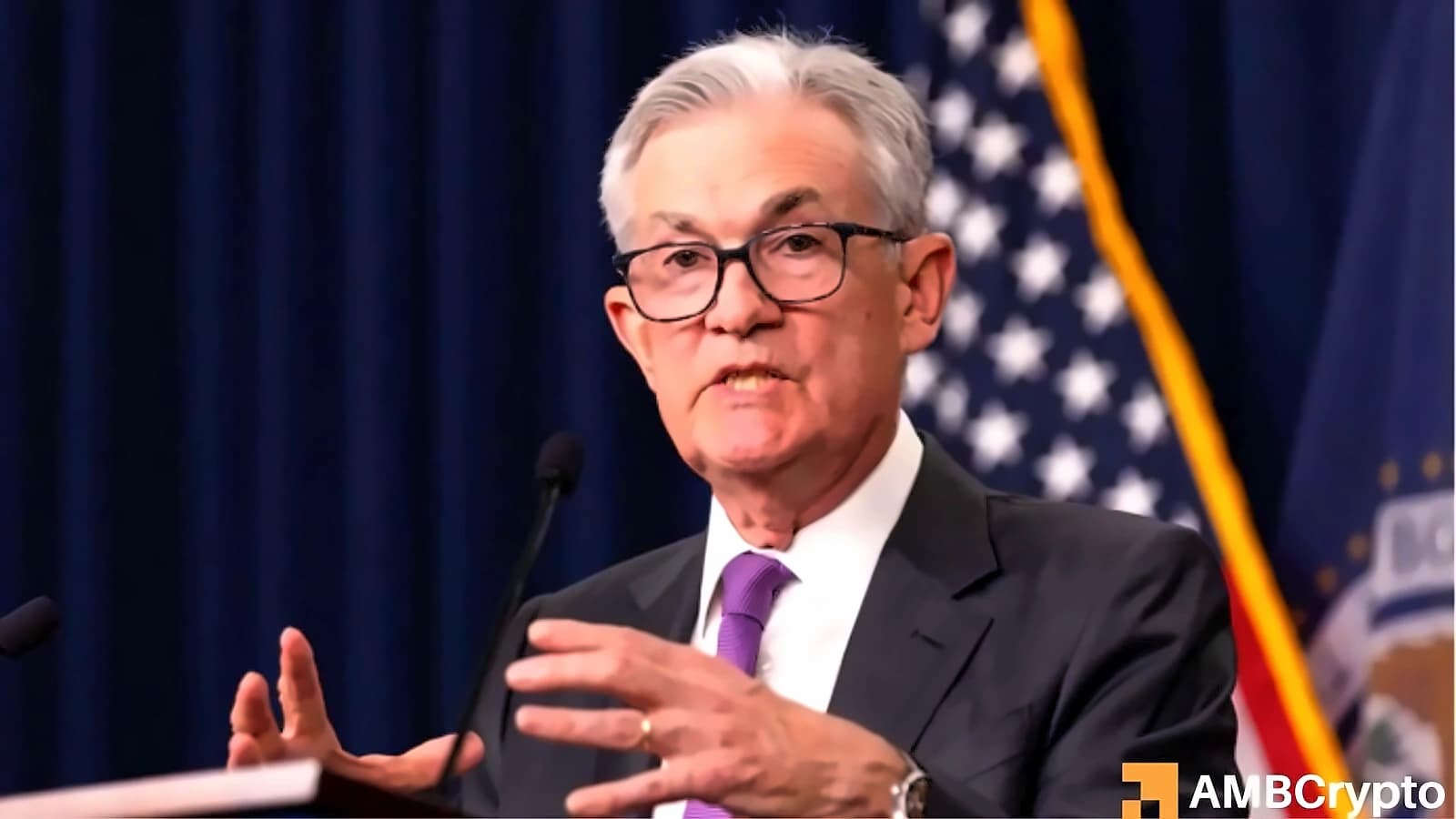
Jay Powell's eight-year tenure as Federal Reserve Chair concluded today, May 15, marking the end of a period that began with the economy meeting both sides of the Fed's dual mandate. According to reports from Investing.com India, Powell inherited an economy with unemployment at 4% and inflation slightly below 2% when he was sworn in as Chair in February 2018. He leaves with unemployment close to 4% and inflation above 3% and rising, representing a miss on the price stability mandate. The Fed Chair navigated historic challenges including a pandemic-induced employment decline in 2020 and inflation at its highest level in forty years during 2021-22, while maintaining the federal funds rate between zero and over 5% during active monetary policy periods. As reported by The Economic Times, Powell's legacy will be defined by his success at protecting the central bank from day-to-day politics, with economists noting his performance was "exceedingly well" in an extremely challenging context. According to CBS News, Greg Daco, chief economist of EY-Parthenon, described Powell's leadership as "pragmatic, disciplined and unusually adaptive during one of the most volatile macroeconomic periods in decades," with that flexibility ultimately helping the Fed navigate extraordinary uncertainty while preserving credibility and reinforcing institutional independence.
Powell's communication skills during crisis periods proved particularly effective, as reported by Investing.com India. On April 9, 2020, during the pandemic's darkest days, Powell demonstrated leadership through his exchange with David Wessel, acknowledging the human costs while projecting confidence in recovery. In his August 26, 2022 Jackson Hole address, Powell delivered a blunt assessment of inflation fighting, stating that restoring price stability would require sustained below-trend growth and softer labor market conditions. He invoked historical precedent, referencing Paul Volcker's disinflation efforts in the early 1980s, emphasizing that employment costs of bringing down inflation increase with delay as high inflation becomes more entrenched. According to The Economic Times, Powell's immediate priority during the pandemic was supporting the economy, with the Fed slashing rates by 1.5 percentage points to near zero in March 2020 and purchasing large amounts of Treasury debt to keep credit markets functioning. Powell also deserves substantial credit for navigating the economic shock of the pandemic, acting with extraordinary speed and scale to stabilize financial markets and preserve credit system functioning during one of the sharpest contractions in modern economic history.
Powell's most significant moment came on January 11, 2026, when he delivered a video statement marking his first public stand against political pressure from the Trump administration. As reported by Investing.com India, this represented the Fed Chair's first public accusation of a sitting president trying to influence monetary policy politically. Powell stated that the criminal investigation subpoena was not about his testimony or building renovations, but about the Fed's independence to set interest rates based on economic conditions rather than political preferences. The statement has become the Fed's most-watched video, with Powell expressing deep concern about the administration's ongoing threats to Fed independence. According to CBS News, the pressure campaign intensified over the past year, with Trump putting an unprecedented amount of pressure on the Fed in an attempt to force lower interest rates. The president has repeatedly insulted Powell and threatened to fire him, with his allies continuing to characterize a renovation to the Fed's headquarters as evidence of mismanagement under Powell. However, Powell's most important skill as a central banker may have been his behind-the-scenes effort to rebuild the Fed's relationships with elected officials on Capitol Hill. As a Washington-area native, dealmaker, Treasury Department official, and think tank analyst before joining the Fed, relationship-building was a more natural inclination for Powell than his predecessors. Recent research by University of Maryland assistant economics professor Thomas Drechsel showed that compared to predecessors Janet Yellen and Ben Bernanke, Powell worked the Hill in relentless fashion, with the pace of meetings with members of the House and Senate from both major political parties being most intense when Trump was in office.
An inescapable part of Powell's legacy will be the post-pandemic inflation surge, when consumer prices rose by a four-decade high of 9.1% in June 2022. As reported by The Economic Times, overall prices are now 27% higher than just before the pandemic six years ago, compared to just 10% in the six years before COVID. Groceries are 30% more expensive than six years ago, after they rose just 3.6% in the six years preceding COVID. Powell and other Fed officials initially said the inflationary surge was "transitory," a result of supply chain snarls brought about by the pandemic. However, Powell's biggest misstep was the Fed's initial underestimation of the persistence and breadth of post-pandemic inflation pressures in 2021, though this misjudgment reflected the difficulty of interpreting an economy reshaped by unprecedented fiscal stimulus, supply-chain disruptions, labor shortages, and shifting global production dynamics. According to CBS News, Wall Street analyst Adam Crisafulli noted that "His record on inflation is very mixed, given that we've been overshooting the target for the last several consecutive years," with a "series of macro shocks beyond the control of the Fed" playing a big role in driving inflation higher. The Fed raised its federal funds rate target by 75 basis points at each of the four meetings that followed Powell's confirmation, but inflation remains still trying to get back down to 2% with Powell citing "series of shocks," including President Trump's tariffs and Middle East conflicts, for the lack of progress.
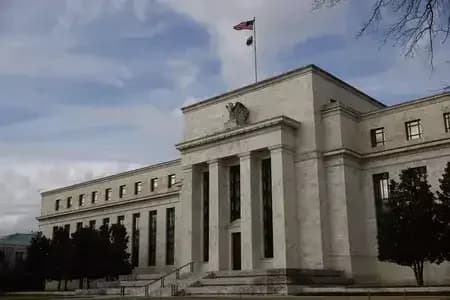
Despite facing unprecedented political pressure, Powell's legacy may ultimately be defined by his success in preserving Fed independence. According to CBS News, Greg Daco from EY-Parthenon emphasized that "Powell's ultimate story isn't yet known," noting that "If he preserves monetary independence, that will be the opening line of his obituary — not the, at best, mixed track record of inflation during his tenure." While the Justice Department has since dropped the criminal investigation probe into Powell over the Federal Reserve's building renovations, Powell stated last month that he would remain a Fed governor, serving as one of 12 voting members of the FOMC. In that role, he will likely remain an influential voice on monetary policy issues, with economists telling CBS News that Powell is likely to remain an influential voice on monetary policy issues given his standing as a former Fed chair. According to The Economic Times, Powell's unassuming demeanor and willingness to push back against unprecedented political attacks have earned him praise from economists, with former Fed vice chair Don Kohn crediting him for defending central bank independence, stating "That is the most important thing for the future of the Federal Reserve and for protecting the public interest in having an independent central bank."