California Governor Gavin Newsom has signaled a potential shift in the state's position on the $110 billion Paramount-Warner Bros. Discovery merger lawsuit, stating he would prefer a settlement 'if it's a good deal.' As reported by Bloomberg, Newsom made these comments Friday at a press conference in San Francisco, expressing concerns about the state's reputation. The governor stated 'I'm concerned about the state, our reputation' and emphasized that 'that has to be worked through, and that's a process that's unfolding.' These comments come after the Wall Street Journal reported that Newsom had expressed concerns about state employment suffering if the deal is blocked, with his office encouraging California Attorney General Rob Bonta's office to seek resolution. The comments gained additional momentum when Democrat Xavier Becerra, the frontrunner to succeed Newsom as governor, urged both sides to 'be adults' and called a settlement the best outcome of the lawsuit.
According to reports from Variety, Law360, Los Angeles Times, Axios, and Mint, Paramount Skydance Corp. has requested a $1.9 billion bond from the 12 states that have filed an antitrust lawsuit over the media giant's pending merger with Warner Bros. Discovery Inc.. The company filed the motion Monday with Judge Araceli Martinez-Olguín, who has scheduled a trial start date of March 2, 2027. As reported by Mint, Paramount is strategically trying to create divisions among the plaintiff states by prompting them to question their resolve in fighting a protracted legal battle. The bond amount is based on the $6.97 million per day ticking fees that Paramount must pay to Warner Bros. stockholders starting October 1st, plus additional financing costs. The states would not be required to pay the full $1.9 billion upfront - instead, they would have to come up with a portion of that amount by September 30, 2026. Should the states and the Writers Guild of America lose their lawsuits, they would ultimately have to pay the full amount.
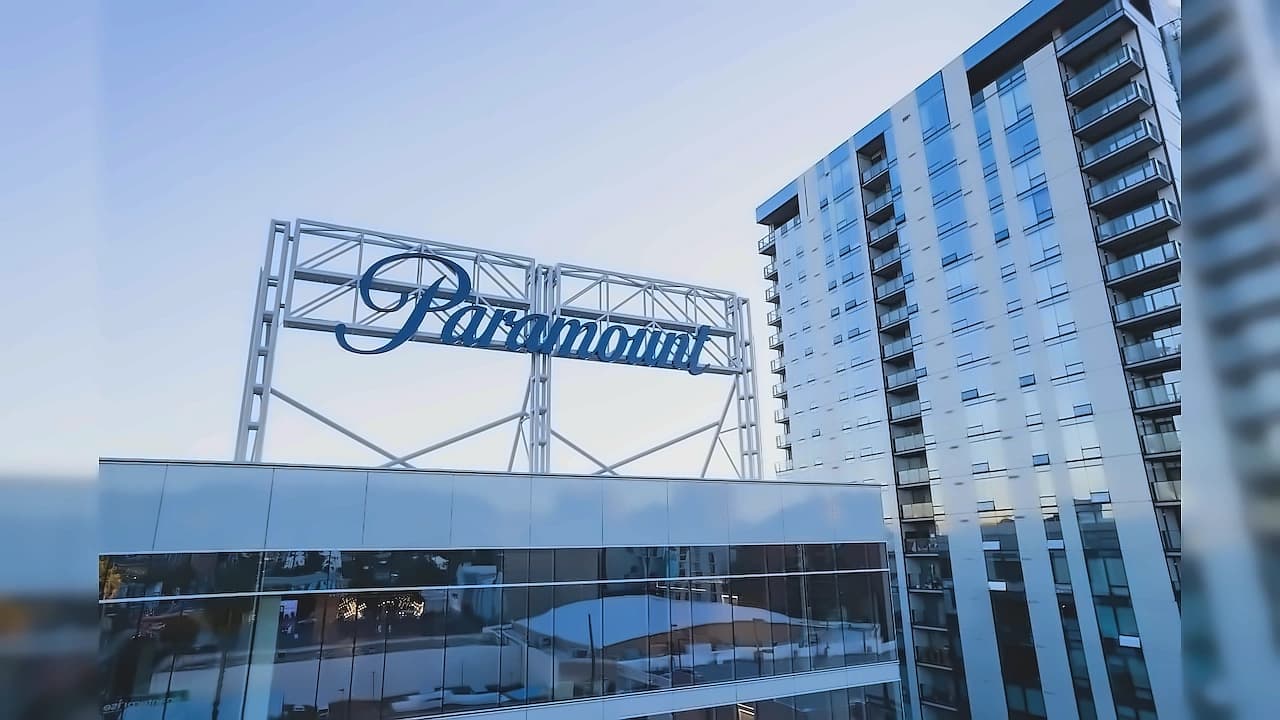
According to Bloomberg, as of last week, Paramount had won regulatory clearance from 68 jurisdictions around the world for the deal, leaving a group of states led by California Attorney General Rob Bonta as the final impediment to a closing. The states argue that the merger combining major film studios, news networks and streaming services would hurt film and television distribution, and result in fewer jobs in the entertainment industry. The 12 states, led by California Attorney General Rob Bonta, sued in federal court in July to block the merger, with California and 11 states suing on July 13. The lawsuit threatens to derail Paramount CEO David Ellison's bid to transform his company into a major rival of Netflix and Disney. However, the company has made significant progress, with Bloomberg reporting that Paramount's board has approved a possible move to another state as early as October 1.
The legal battle is complicated by the risk that Paramount Chief Executive Officer David Ellison would yank the company out of California, as reported by Bloomberg. The company's board has approved a possible move to another state as early as October 1, with Ellison telling senior executives last week that the move would involve headquarters staff first but that he's putting together a five-year plan that would shift most of the film and TV studio's jobs to the new home. Governor Newsom acknowledged the threat, stating 'I hope that doesn't happen, and I'm of the belief that they don't want to see that happen.' Newsom emphasized 'I'm talking about the future of the industry. I'm talking about Hollywood.' The potential relocation adds urgency to settlement discussions, as the company's departure would significantly impact California's entertainment industry and employment in the state.
As reported by Variety, Law360, Los Angeles Times, Axios, and Mint, the bond amount is based on the $6.97 million per day ticking fees that Paramount must pay to Warner Bros. stockholders starting October 1st, plus additional financing costs. The motion states that 'each day that passes after September 30th without the merger closing, Paramount must pay roughly $7 million in 'ticking fees' to Warner Bros. stockholders and yet more fees to its financing sources for maintaining their commitments.' By the time the judge rules on the case, Paramount 'will have incurred $1.3 billion in unrecoverable financial losses' from these fees. A trial date has been set for March 2027, with the merger facing potential ticking fees of about $650 million per quarter to Warner Bros. shareholders if finalized after September 30, 2026. In addition, Paramount would incur $190 million in incremental financing costs that arise from delaying the merger until June 2027. The company is also facing a June 4 deadline to close the deal, when Warner Bros. Discovery can demand a $7 billion break-up fee.