A US federal jury delivered a significant victory to OpenAI on Monday, rejecting Elon Musk's $150 billion lawsuit against the artificial intelligence company after less than two hours of deliberation. In a unanimous verdict, the nine-member jury found that Musk had not filed his suit before the expiration of a statute of limitations, with Judge Yvonne Gonzalez Rogers subsequently dismissing his claims. The lawsuit, filed in 2024, accused OpenAI, CEO Sam Altman, and President Greg Brockman of breaching the AI lab's founding agreement by prioritizing commercial gain over public good. Musk, who founded OpenAI as a non-profit in 2015 before leaving in a power struggle, had sought a court order to unwind OpenAI's move to give the for-profit company more control. As reported by The Times of India, Jason Kwon, OpenAI's head of strategy, celebrated with a team of lawyers in a federal courthouse in Oakland, Calif., after the jury's decision. Following the verdict, Musk's lawyers said he reserved the right to appeal, with Musk lawyer Marc Toberoff stating "This one is not over."
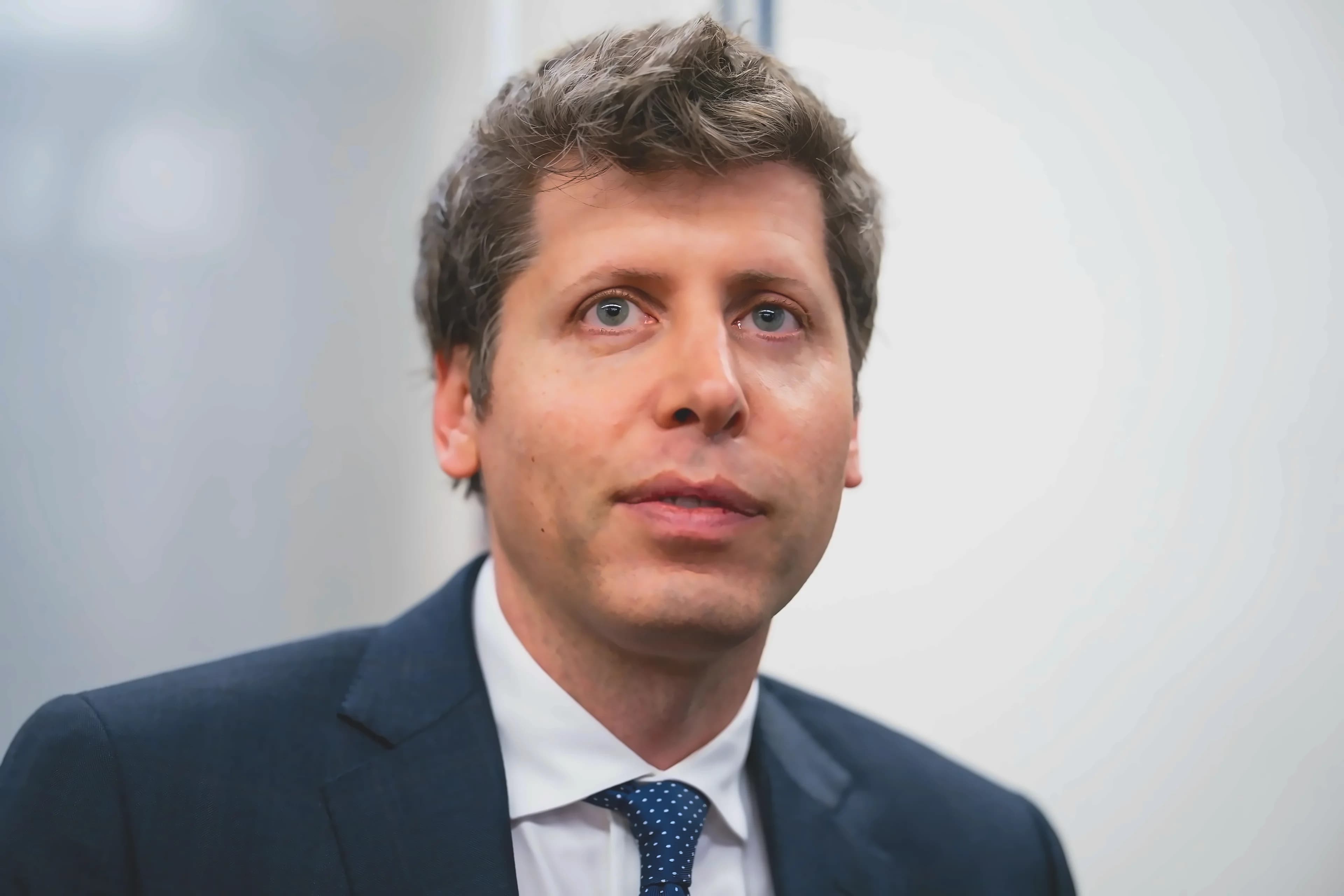
While the court victory removes a significant legal obstacle, the trial revealed damaging testimony about OpenAI's leadership. During the trial, OpenAI faced accusations from former colleagues who described CEO Sam Altman as an untrustworthy leader. Musk's lawyer cited comments from eight witnesses, including Musk himself, who said Altman misled or lied to others. During cross-examination, Altman defended himself, testifying "I believe I am an honest and trustworthy businessperson." The trial included testimony from former OpenAI Chief Technology Officer Mira Murati, who in a September 2022 memo criticized Altman's leadership style, stating "The constant panic around our projects, people, goals etc generates chaos and churn." In a video deposition, Murati paused when asked whether by autumn 2023 she thought Altman was honest, responding "Not always." OpenAI co-founder Ilya Sutskever testified he had collected examples of Altman's leadership shortfalls for more than a year. Despite the victory, OpenAI Chairman Bret Taylor noted that the company's board had previously questioned Altman's ability to lead, only to bring him back after much of the company threatened to exit.
The court victory removes one obstacle for OpenAI's initial public offering plans, with the company potentially targeting a Wall Street debut as early as this year. However, as reported by Business Standard, OpenAI faces intensifying competition from rival AI companies. Anthropic has emerged as a significant threat, with its Claude AI technology capturing market share and adding thousands of large business customers in just months. The company has more than doubled its revenue expectations to $19 billion for this year, up from $9 billion last year. Google also poses challenges in the advertising market, particularly after Anthropic's sudden rise has intensified competition for business technology sales. According to The Times of India, rival A.I. companies like Anthropic and Google are rapidly improving their technologies, giving OpenAI far more competition than it faced during the first three years of the A.I. boom.
Beyond the Musk lawsuit, OpenAI confronts multiple legal battles across various sectors. According to Business Standard, book authors, publishers, and news organizations have filed copyright infringement lawsuits, claiming their works were illegally used to train OpenAI's AI systems. Additionally, many parents and other groups have sued the company for negligence and wrongful death, alleging that ChatGPT contributed to various suicides and school shootings. The New York Times has separately sued OpenAI and Microsoft, claiming copyright infringement of news content related to AI systems, with both companies denying the suit's claims. As reported by The Times of India, dozens of other lawsuits accuse OpenAI of everything from copyright infringement to wrongful death, adding to the company's legal challenges.
Despite the court victory, legal experts warn of potential regulatory challenges ahead and investor concerns about OpenAI's leadership. As reported by Business Standard, law professor Peter Molk from the University of Florida noted that while Musk lost in court on Monday, the case could still raise concerns among state attorneys general who approved OpenAI's new for-profit structure. Musk has already indicated his intention to appeal the decision, stating on social media that "the judge and jury never actually ruled on the merits of the case, just on a calendar technicality." However, the trial's focus on Altman's credibility could impact investor confidence for a potential $1 trillion IPO. Trial lawyer James Rubinowitz noted that "this verdict removes the single largest legal threat to a public offering," but warned that "even in victory, OpenAI walks away with the worst documentary evidence about its governance now permanently in the public record." The case's potential impact on public opinion could influence regulatory scrutiny of the company's corporate structure, with Wedbush analyst Dan Ives calling it a "huge win" despite "scrapes and bruises on Altman's persona and leadership."