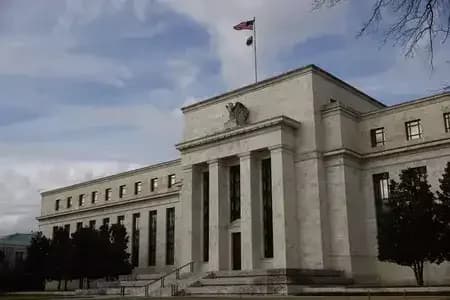
The bond market is betting on Federal Reserve rate increases while Fed members and economists mostly don't share this view. Fed funds futures put roughly 50% odds on the U.S. central bank raising rates by December, following a bond-market rout that sent the 30-year Treasury yield above 5% and the benchmark 10-year yield to a 15-month high. However, many economists believe the fed-funds market may be overreacting to the surge in oil prices and the increase in headline inflation. As Reuters reports, the Fed held interest rates steady in a range of 3.50% to 3.75% at its April meeting, with just one dissent in favor of a quarter-point rate cut. Notably, three members of the monetary policy committee objected to language in the statement suggesting the Fed would eventually resume cutting rates.
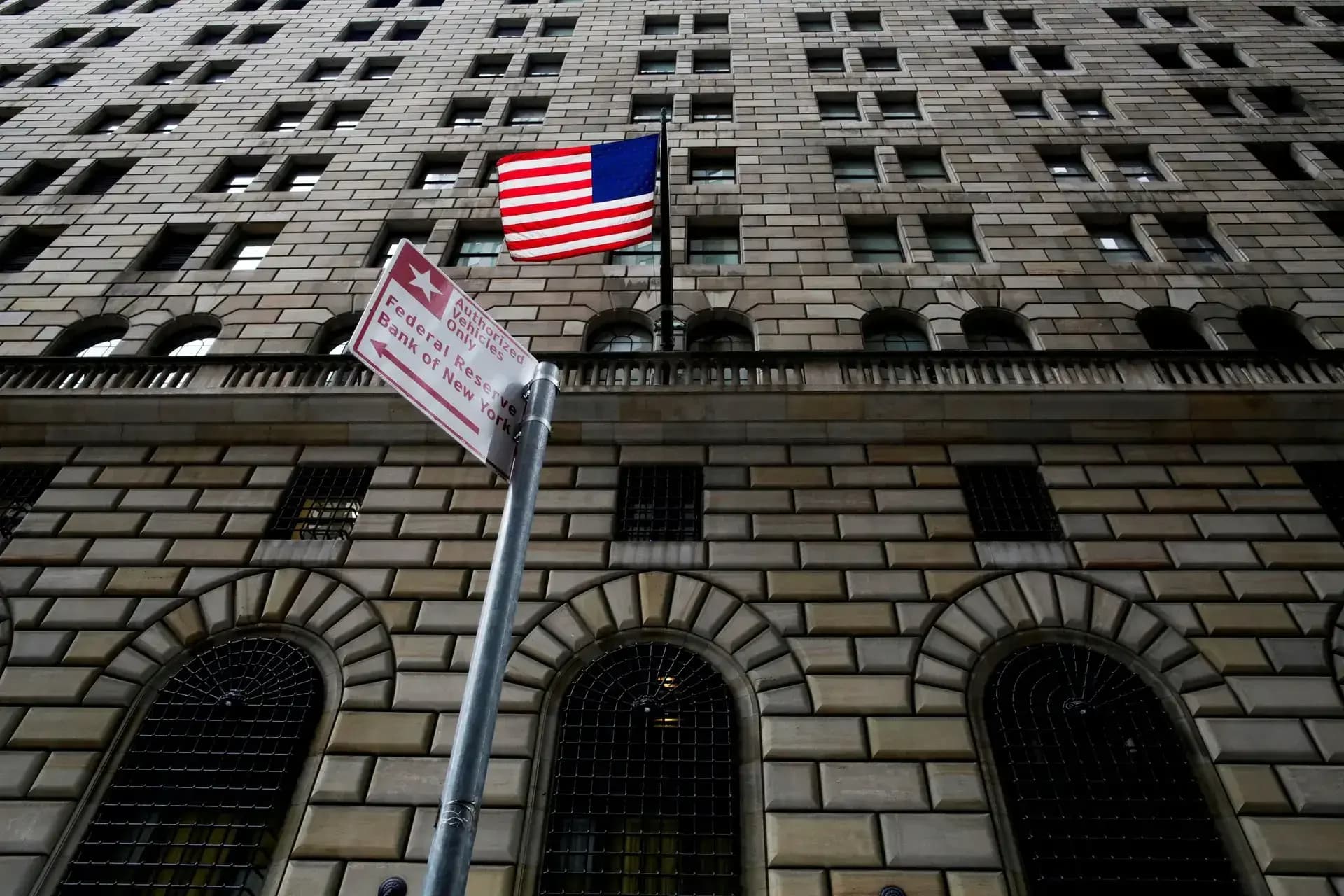
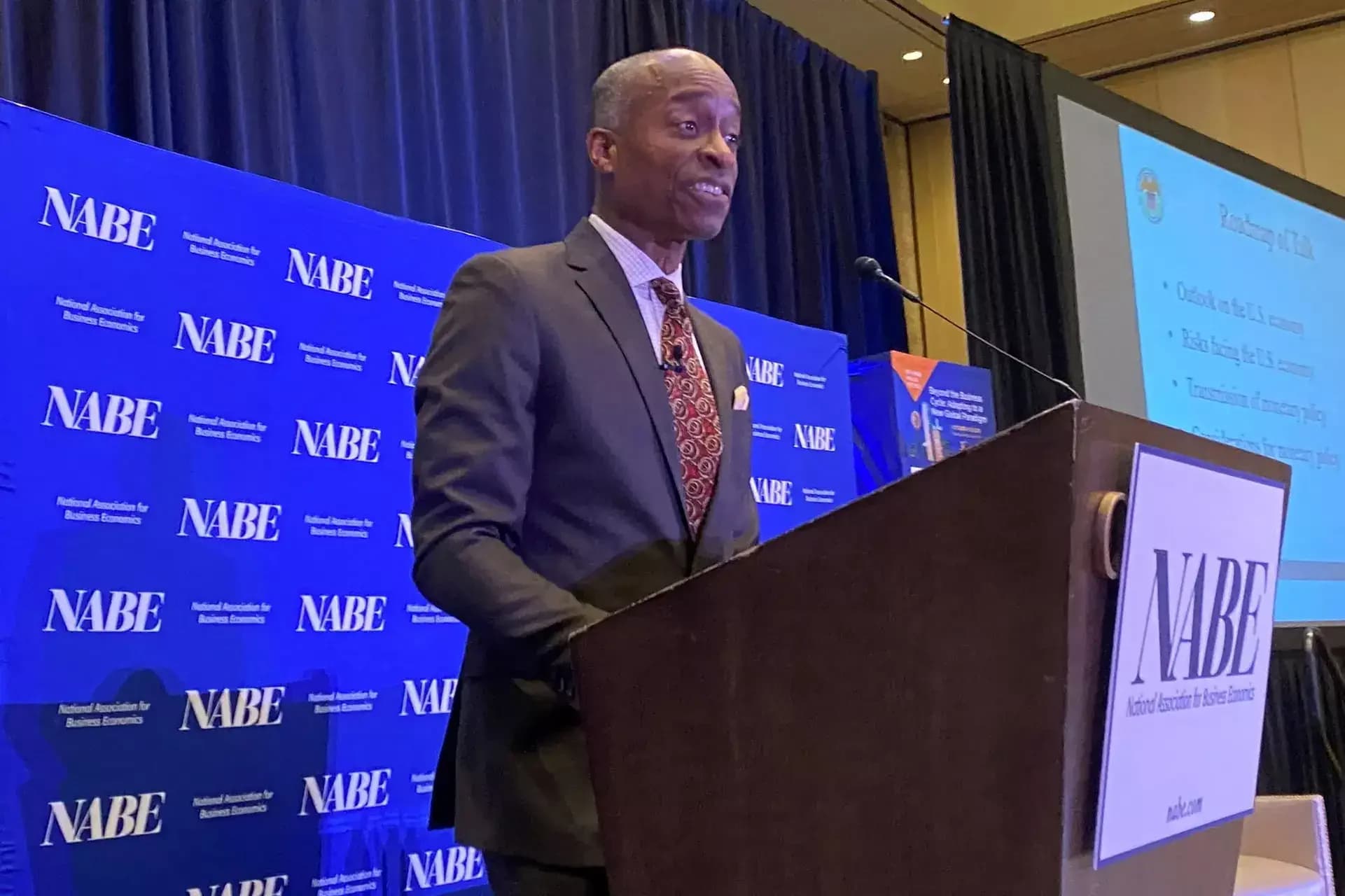
A Federal Reserve Bank of New York official has confirmed that the central bank's current rate control toolkit remains effective even in a system where banks hold fewer reserves. Roberto Perli, System Open Market Account manager, stated that while the current implementation framework is demonstrably very effective, there is active public debate about the quantity of reserve supply it entails. The official emphasized that the current ample reserves implementation framework is well equipped to handle a reduction in the SOMA portfolio if there were changes in the financial system that allowed for lower levels of reserves. As reported by Reuters, Perli's comments come as a debate has been growing over the future of the central bank's balance sheet.
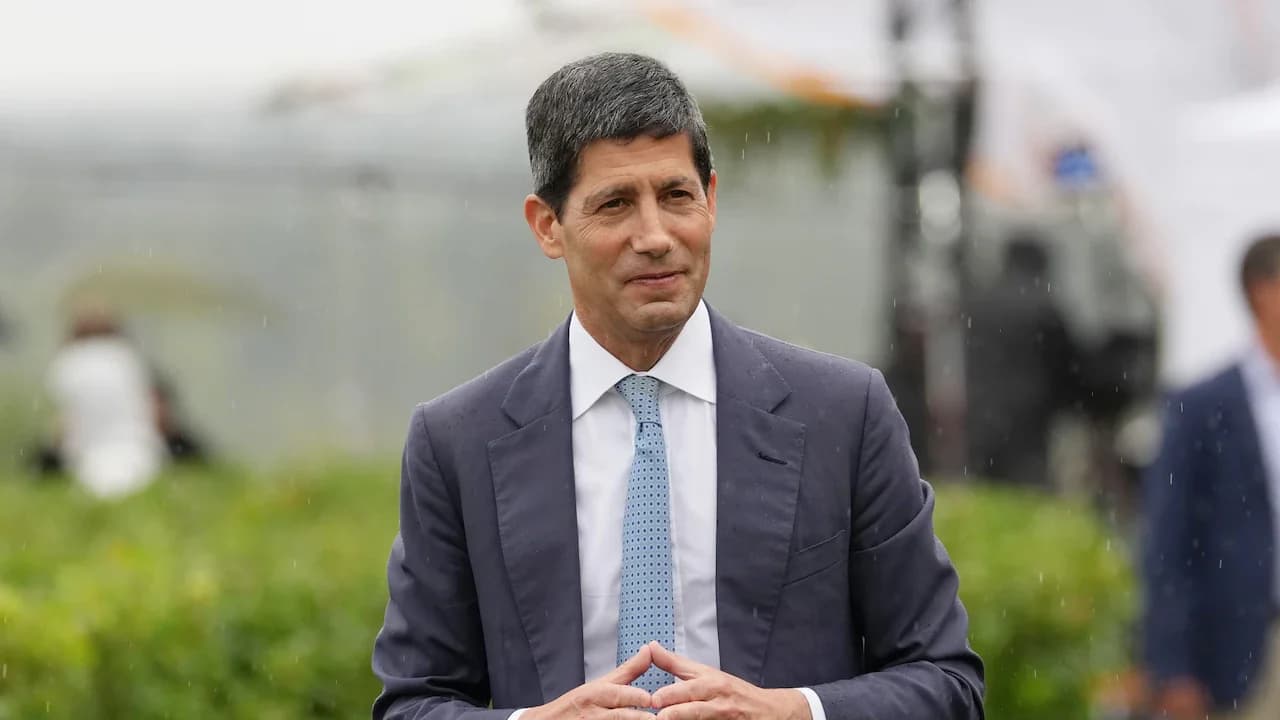
The Fed faces a challenging dual mandate of full employment and low inflation that puts the central bank in a bind. Inflation remains well above the Fed's 2% target and is moving in the wrong direction, yet there has been no serious deterioration in the labor market that would give policymakers cover to lower rates. As Reuters reports, John Luke Tyner, portfolio manager at Aptus Capital Advisors, noted that "The Fed can't really point to that like they could last year when we got a couple of cuts." Some of the recent bond-market volatility is also likely tied to traders testing how new Federal Reserve Chair Kevin Warsh will respond to rising inflation, which undercuts Trump's desire for lower rates. Warsh served on the Fed's board from 2006 to 2011 and developed a reputation as an inflation hawk during that time.
Perli announced that the Federal Reserve's Treasury bill buying program will be managed flexibly going forward, as reported by Reuters. The central bank embarked on this program at the close of last year to rebuild liquidity after several years of shrinking Fed holdings. The program has already been reduced from $40 billion per month to the current pace of $10 billion. The official stated that the pace of future Treasury bill buying will be determined by market conditions, with the Fed standing ready to adjust the pace of Reserve Management Purchases up or down as necessary.
The effectiveness of the Fed's current toolkit comes amid growing debate over the central bank's balance sheet future. The Fed's balance sheet more than doubled during the COVID-19 pandemic, reaching a peak of $9 trillion by mid-2022, before falling to $6.7 trillion. Incoming Federal Reserve Chair Kevin Warsh has been a critic of the Fed's large-scale purchases, arguing that the Fed's footprint is too large and distorts pricing levels. Warsh has suggested that reducing the balance sheet would allow the Fed's short-term rate target to be lower than otherwise possible. However, Perli noted that the current toolkit and markets' need for reserves limits how far the Fed can shrink holdings while maintaining firm control of the federal funds rate. As reported by Reuters, Perli highlighted that there are many possible catalysts for a leftward shift in reserve demand, with potential future changes to bank regulatory liquidity requirements being a plausible scenario given current debate.