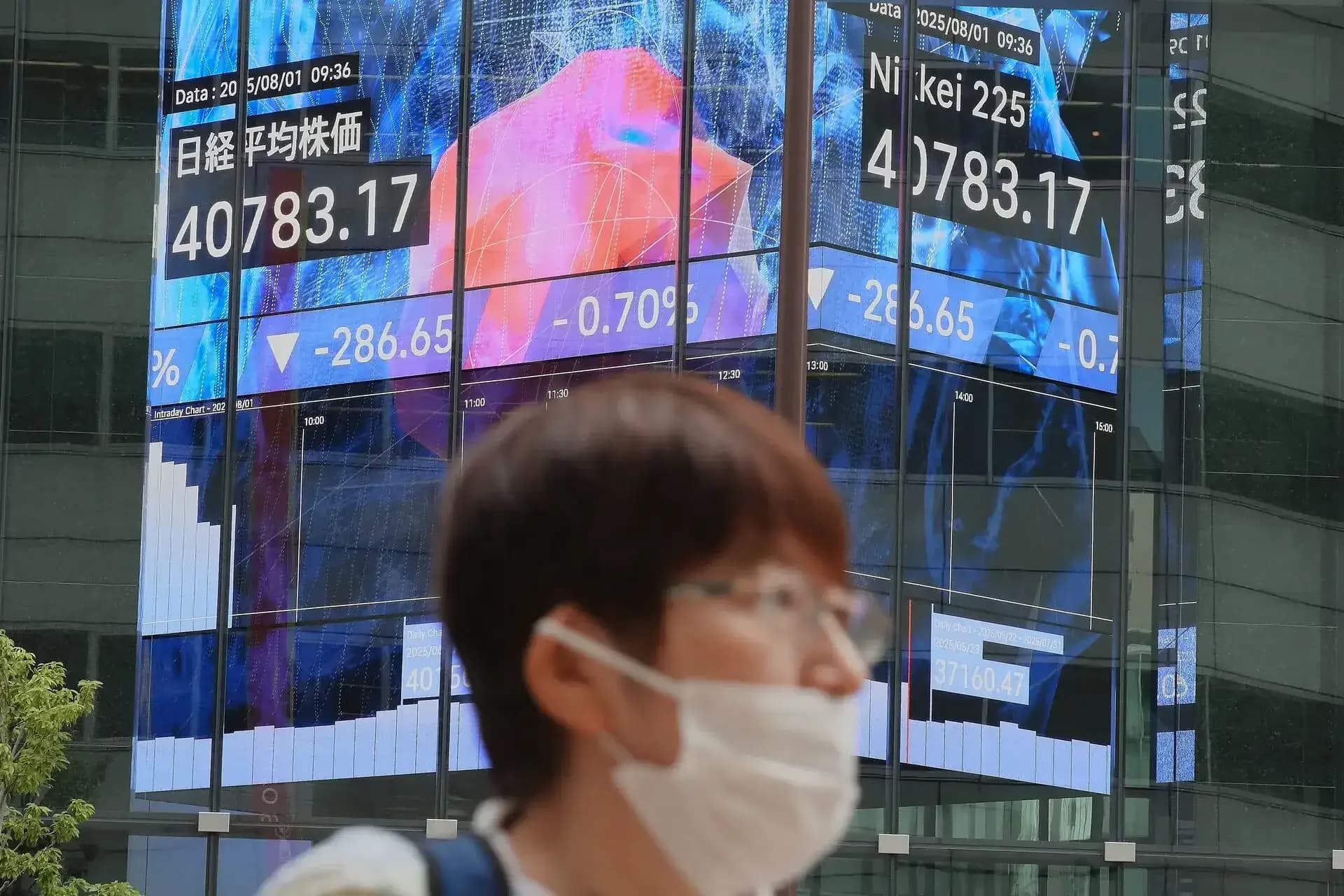
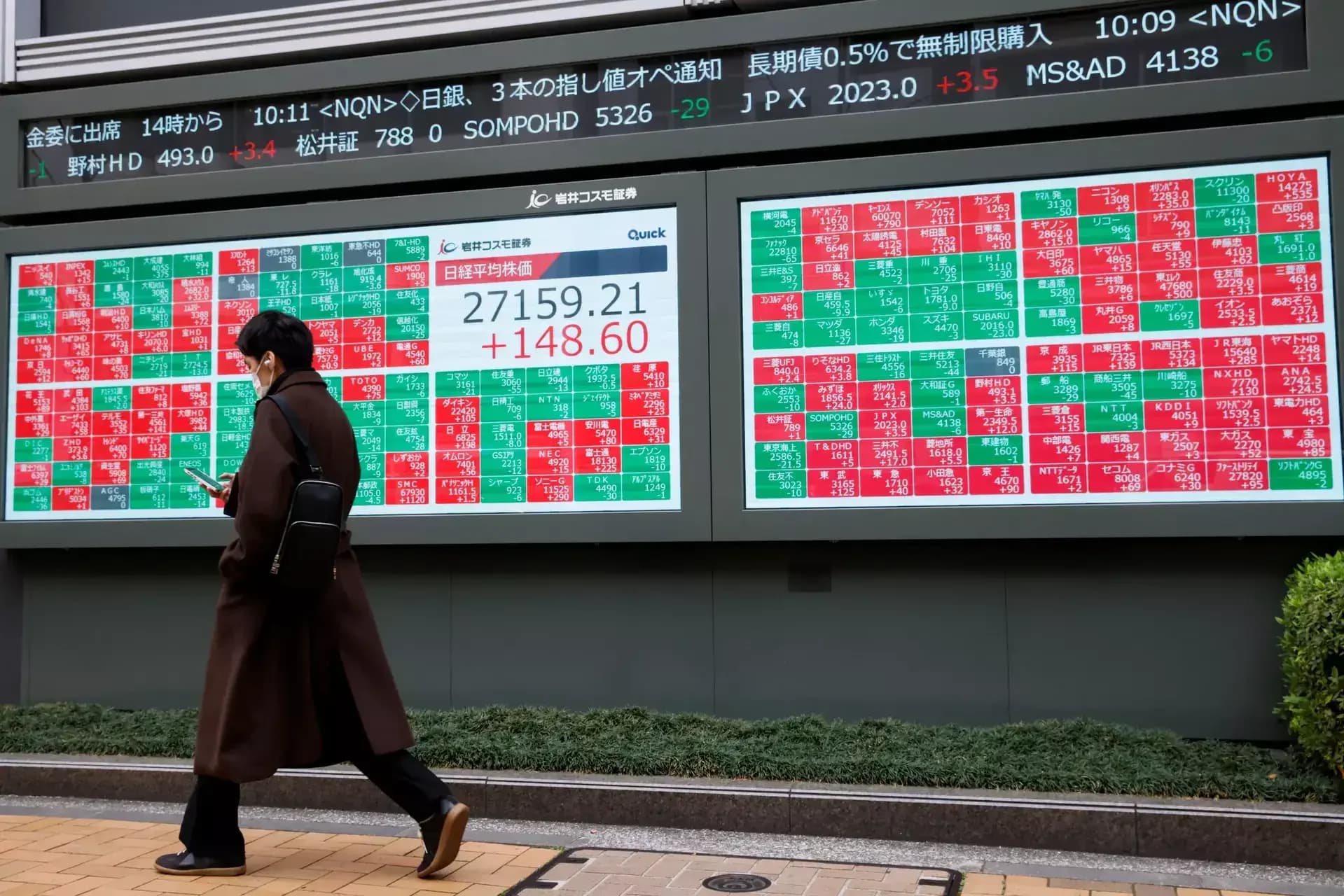
Japan's Nikkei share average opened sharply higher on Wednesday, rebounding 781 points from the previous business day to 65,777 yen, according to moomoo reports. The index had earlier reached a record intraday high of 66,428.81, rising as much as 2.2% during the session. However, the Nikkei 225 pulled back after hitting a record high in the previous session, falling 0.25% on Tuesday to close at 64,995.87, as reported by Tradingkey. The correction was primarily driven by profit-taking, while investors continued to monitor the impact of the Middle East situation on Japan's inflation and energy import costs. The broader Topix edged 0.15% higher to 3,944.19, showing broader market participation despite the technology-driven surge.
Chip-making equipment maker Tokyo Electron (8035.T) and chip-testing equipment maker Advantest (6857.T) rose more than 5% each, as reported by Reuters. However, not all chip stocks performed well, with chip designer Socionext (6526.T) falling 5.8% to become the worst percentage loser on the Nikkei. The semiconductor sector's strong performance mirrored positive momentum in US technology shares, with the S&P 500 and Nasdaq hitting record closing highs on Tuesday as AI-fuelled optimism offset anxiety over Middle East peace talks. SoftBank Group surged 10.91%, with its cumulative gain over the past four trading days exceeding 50%, serving as a major pillar for the Japanese market. However, Japanese technology and AI-related stocks adjusted following their previous rallies, with Kioxia Holdings, Fujikura, and Advantest all retreating.
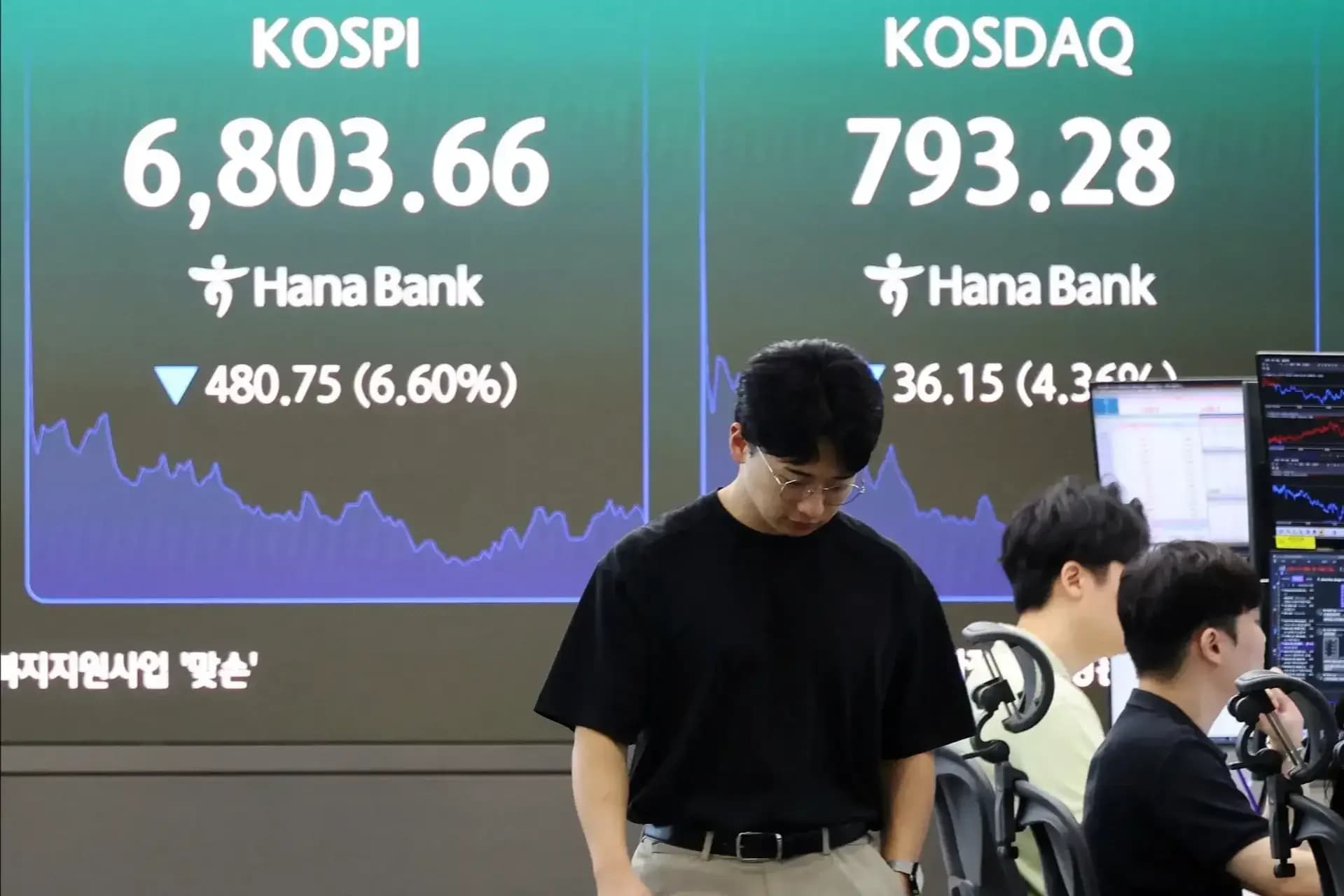
The KOSPI Index rose sharply after resuming trade from the holiday, setting another record high and closing above the 8,000-point threshold, according to Tradingkey. The South Korean market was the highlight of the Asia-Pacific region, with the performance reflecting the market's continued pursuit of the AI, semiconductor, and export supply chains. The global boom in AI infrastructure investment continues to support expectations for memory chips, advanced processes, and the server supply chain, as noted by Tradingkey. As one of the core markets in the global semiconductor supply chain, South Korea continues to attract foreign capital. Positive signals from U.S.-Iran negotiations have eased market concerns regarding a resurgence in energy prices and global inflation, further boosting the performance of risk assets. Samsung Electronics shares rose more than 3% to hit an all-time high, contributing significantly to the market's strong performance.
The 10-year Japanese sovereign bond yield rose to 2.809% on May 20, its highest since 1996, after reports indicated that the government may issue fresh debt to fund the extra budget. Japanese Prime Minister Sanae Takaichi is compiling a supplementary budget to help households with the cost of living, but it has also created skepticism about whether she can stick to her promises about debt issuance. The budget was largely in line with market expectations, at about three trillion yen ($19 billion), but comes as Japan still struggles with higher energy prices, rising subsidy costs, and a weak yen. The budget also marks a reversal from her earlier position that extra spending was not needed. She also said the total bond issuance for the calendar year of 2026 would remain unchanged from the original budget plan, according to Bloomberg. Takaichi has sought to dispel worries in the bond market, saying that the extra spending would be financed by issuing deficit-covering bonds.
Banking stocks declined significantly, with Mitsubishi UFJ Financial Group (8306.T) and Mizuho Financial Group (8411.T) slipping 0.49% and 0.95% respectively, according to Reuters. The Topix's bank index declined 0.76%, while the real estate index lost 1.48% to become the worst performer among the 33 industry sub-indexes. Of the nearly 1,600 stocks trading on the Tokyo Stock Exchange's prime market, 44% rose, 52% fell, and 3% traded flat. Bucking the trend, SoftBank Group slipped 4.3%, while the broader market showed mixed performance across different sectors. In the Chinese market, the semiconductor and computing hardware supply chains saw an across-the-board correction, with the photolithography, CPO, and memory sectors leading the decline, while non-ferrous metals, chemical, and brokerage sectors strengthened.