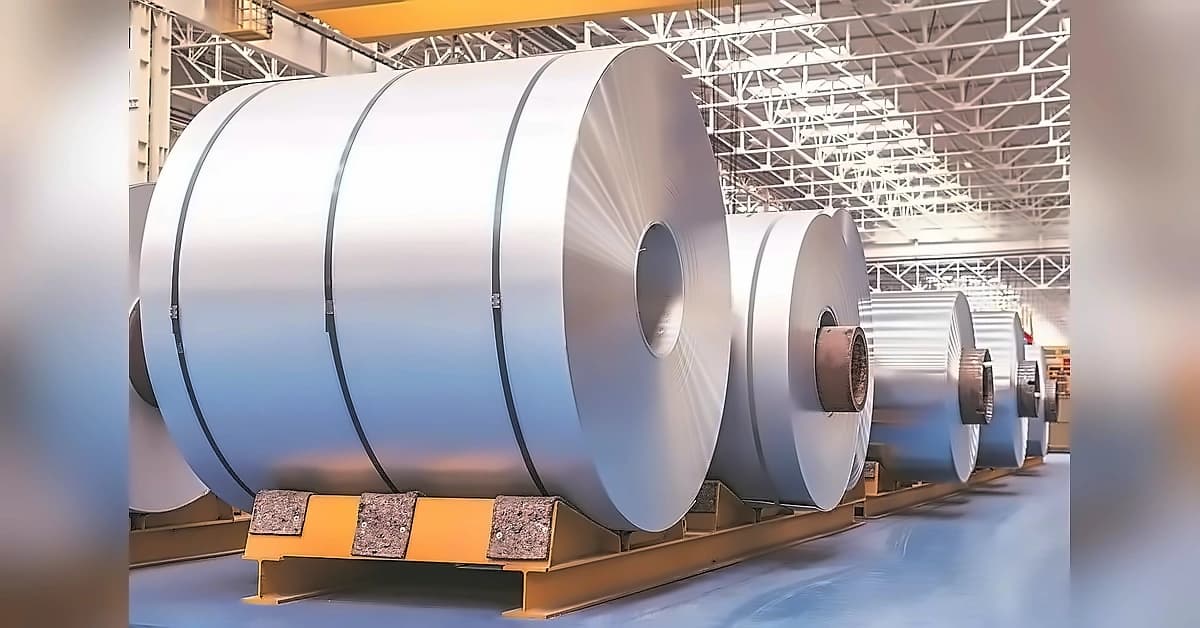
More than 140 countries, covering 90% of global carbon emissions, have announced net-zero targets for 2050 to 2070. According to reports from Business Standard, this represents the easy part of the transition, as the hard work lies in turning economy-wide pledges into sector- and company-level plans. The focus must shift from general targets to concrete action plans for eight hard-to-abate sectors - steel, cement, aluminium, chemicals, aviation, shipping, trucking, and oil & gas - which require far more financing than the power sector.
The eight high-emission sectors are estimated to need roughly $30 trillion of additional investment to reach net zero by 2050, as reported by Business Standard. These sectors account for around 40% of global greenhouse gas emissions. Steel and cement are especially carbon-intensive due to their energy-intensive nature and CO2 release from chemical processes. A majority of deep emissions cuts in these sectors would require carbon capture and storage (CCS) and hydrogen-based processes, both expensive and not yet proven at scale with lacking transport and storage infrastructure.
According to a 2024 EY survey cited by Business Standard, only 41% of companies have a climate transition plan, and just 17% have budgeted for the necessary investments. In the United Kingdom and European Union, 66% and 59% of large companies respectively disclose transition plans, driven by regulation and disclosure rules. However, India, China, Indonesia, and Brazil together produce over 60% of global steel and about 70% of cement, yet none has a binding, investment-grade sectoral plan.
Sector transition plans (STPs) bridge national climate goals with concrete company actions, setting interim and long-term targets, identifying technology levers, and mapping financing needs. As reported by Business Standard, the NITI Aayog's STP for India outlines decarbonisation direction but lacks legally binding plant-level timelines and enforcement mechanisms. Climate finance needs for steel and cement sectors in nine G20 emerging market economies through 2030 are 10 times higher than those for the power sector, with the need being greater still if other hard-to-abate sectors are included.
Transition finance differs from green finance, which funds low-carbon assets like solar parks and EVs, focusing instead on emissions-intensive firms requiring heavy investments to become low-carbon. According to Business Standard, investors cite the absence of feasible, bankable company transition plans as the top barrier to investment. To attract transition finance, countries need credible sectoral plans with plant-level timelines, enabling infrastructure, supportive policies, and clear rules including recognized project labels and standard definitions for transition finance qualification.