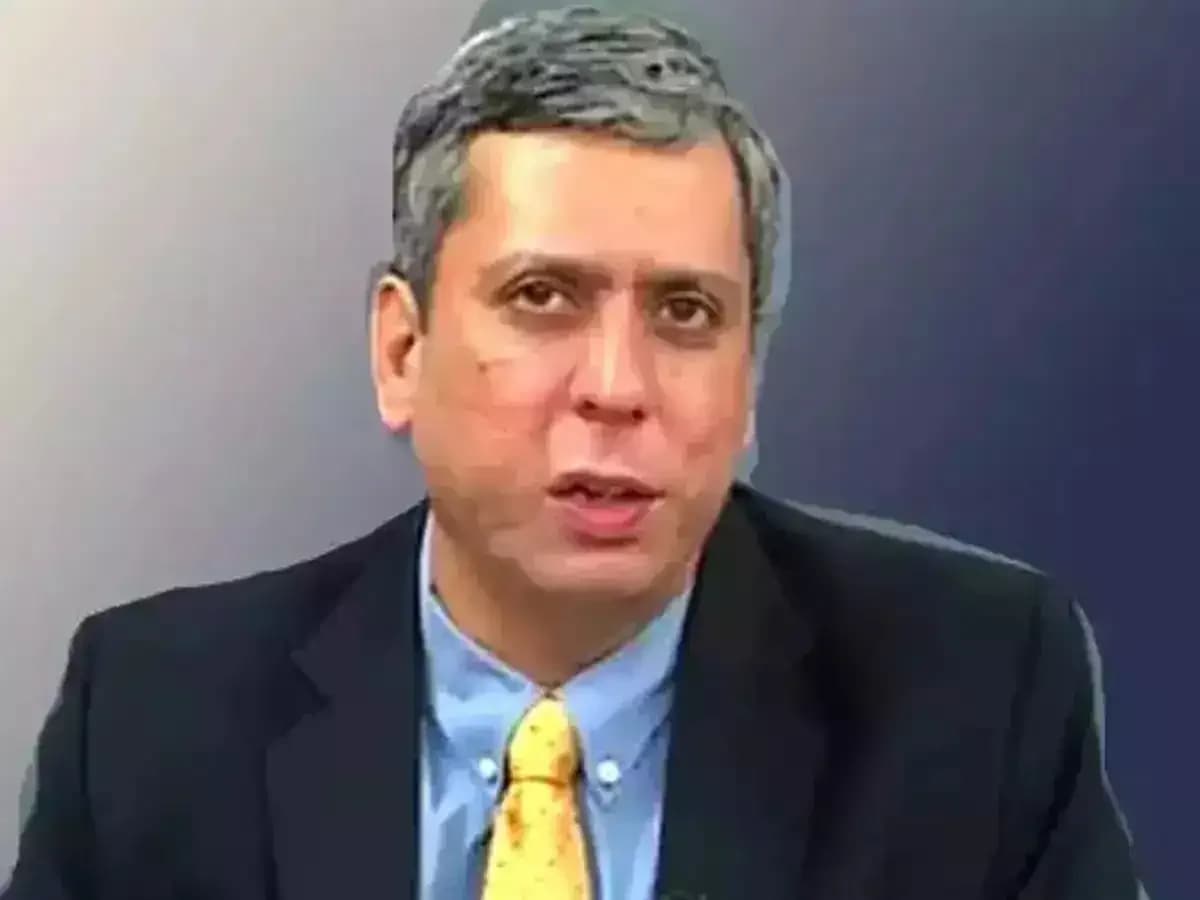
Veteran macro strategist David Roche from Quantum Strategy cautioned that global markets may be reacting too quickly to shifting geopolitical expectations without a confirmed resolution in place. According to his conversation with ET Now, recent moves in oil and equity markets reflect speculation rather than substance, as investors attempt to price in a potential pause in Middle East tensions. Roche noted that what is being discussed in diplomatic circles is far from a comprehensive agreement, with most substantive issues like nuclear disarmament pushed out to a 60-day negotiating window.
Roche argued that even a potential agreement under discussion would fall short of resolving core strategic conflicts. As reported by ET Now, he warned that if such a deal emerges, it would be structurally weak and potentially destabilizing in the longer run. The strategist explained that if the war results in Iran winning all its strategic objectives including freeing up trade and access to confiscated assets, while the US achieves nothing, it would represent a very bad deal. He emphasized that Iran retains strategic control of the Gulf even under proposed frameworks.
Despite potential short-term de-escalation, Roche suggested that gains in equities and softness in oil may be limited in scope. According to his analysis, oil at ₹90 and markets up 3-4% represents the maximum measure of potential gains. He noted that markets had not fully priced in risk earlier, which limits the scope of further upside from any risk-on shift. The strategist warned that even a partial easing could trigger a short-lived rally, but such moves would likely be temporary until underlying geopolitical tensions resurface.
Roche drew a distinction between financial oil markets and physical supply conditions, arguing that futures pricing may be exaggerating downside moves. As reported by ET Now, the crude price falling is paper crude price for futures for Brent, while physical exchange prices are going down very little, 4-5% at most. He cautioned that strategic petroleum reserves may not be sufficient to offset prolonged disruption, with his figures showing that Europe and key Asian countries run out of oil by the end of September. This suggests that oil reserves do not bail out markets during prolonged supply disruptions.

Roche concluded that markets may experience short bursts of optimism, but the underlying geopolitical and energy risks remain unresolved. According to his assessment, any relief is likely to be temporary unless deeper structural issues in the Middle East are addressed. The strategist warned that diplomacy may not achieve the red lines that portfolio managers need to see, particularly regarding maritime security and regional arrangements that could legitimize control over strategic waterways. He emphasized that uninterrupted oil shipping flows remain the only scenario that would trigger meaningful short-term relief in global markets.