Malaysia will roll out fast-track biometric immigration nationwide from September 2026 to reduce airport queues and wait times. According to reports from Travel And Tour World, the country is introducing the National Integrated Immigration System (MyNIISe) across major airports and land entry points. The new system is expected to reduce immigration processing time to just four to five seconds per passenger, replacing the country's ageing immigration platform that has been in use for nearly two decades. At Kuala Lumpur International Airport (KLIA), the system is already operational in certain pilot areas, with officials reporting that clearance at autogates now takes less than five seconds. As per Travel And Tour World, Minister of Home Affairs Saifuddin Nasution Ismail confirms that KLIA trials show autogates already process passengers in under five seconds, marking a significant improvement over the old fingerprint and facial scan verification system.
MyNIISe combines facial recognition technology, QR code scanning, passport verification systems, and automated e-gates to modernise border control. As reported by Travel And Tour World, Malaysia is investing nearly 1 billion Malaysian ringgit (roughly $255 million) into the project as part of a broader push to modernise border management and tighten security checks. The system's development involved extensive research and technological integration, ensuring that the platform could handle high passenger volumes while providing consistent and reliable service. The Minister of Home Affairs has described the implementation as a "game changer," emphasizing that it is more than just a system upgrade. Malaysia joins Singapore, Japan, China, Thailand, South Korea, and Hong Kong in attracting record-breaking travel arrivals by introducing advanced digital immigration systems designed to drastically reduce processing times and streamline border control.

Malaysia has already begun phased implementation of the MyNIISe system at selected airports from March 2026 for testing, calibration and integration with automated e-gates. According to Travel And Tour World, the government plans full nationwide implementation from September 2026. The rollout will be phased, allowing authorities to refine the system and ensure that staff and travellers are familiar with the new procedures. During the transition period, traditional passport scans and manual immigration checks will remain available, providing flexibility for travellers and mitigating any potential disruptions. Eventually, the system is expected to cover around 125 international entry points across Malaysia, including airports, seaports and land checkpoints. This positions Malaysia alongside regional leaders in automated border processing, with the system designed to replace the nearly two-decade-old MyIMMs system.
Alongside the technological upgrades, Malaysia has restructured customs procedures to complement the faster immigration process. At KLIA, separate lanes for "Nothing to Declare" and "Goods to Declare" have been introduced, allowing travellers who are not carrying taxable or restricted items to use the Nothing to Declare lanes to pass quickly. The government is also increasing manpower at major entry points through the Malaysia Border Guard initiative, with more officers deployed to monitor immigration and customs procedures, manage large crowds, and respond to security incidents. This ensures that the system's speed does not come at the expense of safety, allowing a balance between efficiency and robust border control. The comprehensive approach aims not only at speeding up passenger movement but also at ensuring smooth crowd management and tighter monitoring, reflecting Malaysia's commitment to maintaining security standards while enhancing travel facilitation.
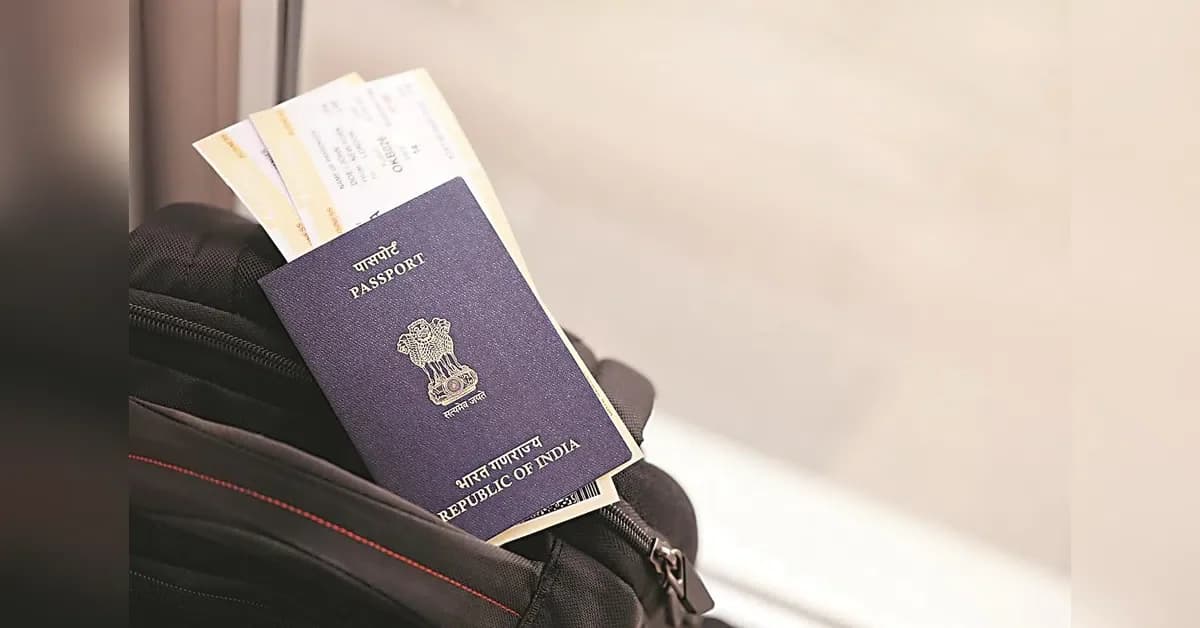
India has emerged as one of Malaysia's fastest-growing tourism and business travel markets, with thousands of Indian travellers visiting destinations such as Kuala Lumpur, Langkawi and Penang every month. As reported by Travel And Tour World, the new digital clearance system is expected to significantly reduce waiting times for Indian passengers, including faster airport exit after landing, less crowding at immigration counters, and increased use of automated clearance gates. Travellers may eventually need to generate QR-based arrival credentials before travel and use machine-readable passports compatible with automated systems. The enhanced speed and efficiency are likely to boost tourism revenue and support related sectors such as hospitality, transportation, and retail, while positioning Malaysia as a leader in Southeast Asia in terms of digital border management. This positions Malaysia alongside other Asian nations attracting record-breaking travel arrivals through advanced digital immigration systems, making border processing seamless and enhancing the country's reputation as a destination for modern, traveller-friendly experiences.