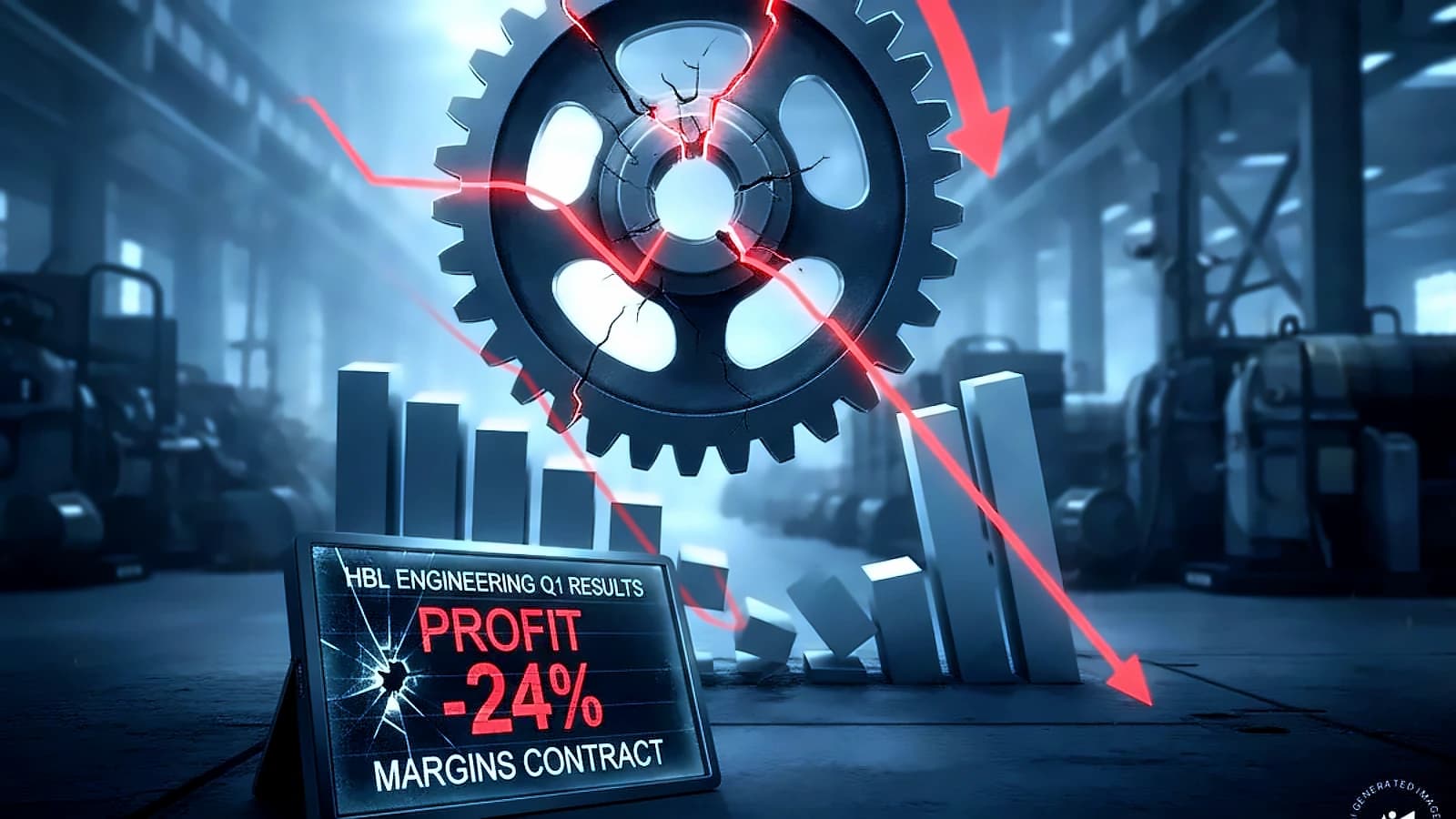
Lufthansa shares fell 10.7% following the company's disappointing quarterly results, marking the biggest one-day drop since 2021 according to Reuters. The German airline warned that earnings could fall this year after it more than halved in the second quarter due to higher fuel costs related to the US-Iran war. As reported by Reuters, investors concentrated on the uncertain outlook and lower-than-expected quarterly results, with shares falling 8% in early trading as they focused on increased unit prices and geopolitical uncertainties. The warning underscores the pressure on European airlines as higher jet fuel costs pressure margins despite hedging programmes. According to RBC Capital analyst Ruairi Cullinane, Lufthansa shares looked inflated ahead of the results, with the stock down about 2% this year after peaking in June.
The company projected that its adjusted earnings before interest and taxes in 2026 would range from €1.7 billion to €2.2 billion, as reported by Reuters. This represents a significant downward revision from its earlier prediction of adjusted EBIT being significantly higher than the €1.96 billion reported in the prior year. In contrast to its previous estimate of €8.9 billion, the business now projects fuel expenses for 2026 to be €8.66 billion. Chief Executive Carsten Spohr stated that despite further improvement in load factor and significant increase in yield, the company was unable to fully offset the considerable rise in fuel costs. The company now expects 2026 fuel costs of €8.66 billion, compared with an earlier forecast of €8.9 billion. The company maintains that the upper end of the latest outlook range continues to represent a result significantly above the prior year, in line with the previous earnings ambition.
Group net income declined 88 percent to 123 million euros from prior year's 1.01 billion euros, mainly due to a lower operating result, valuation effects, and one-off tax effects in the prior year, according to RTT News. EBIT fell 60 percent year-over-year to 346 million euros, hurt by fuel costs that were approximately 750 million euros above the prior-year level, as well as financial burdens of at least 150 million euros caused by strikes. Adjusted EBIT declined 56 percent from last year to 383 million euros, and adjusted EBIT margin contracted to 3.4 percent from prior year's 8.4 percent. However, Group revenue grew 8 percent to 11.14 billion euros in the second quarter from last year's 10.32 billion euros, driven by strong demand for air travel. The company's capacity forecasts for the entire year have not changed and are anticipated to be essentially flat, with the Lufthansa Group now expecting full-year capacity to be in line with the prior-year level.
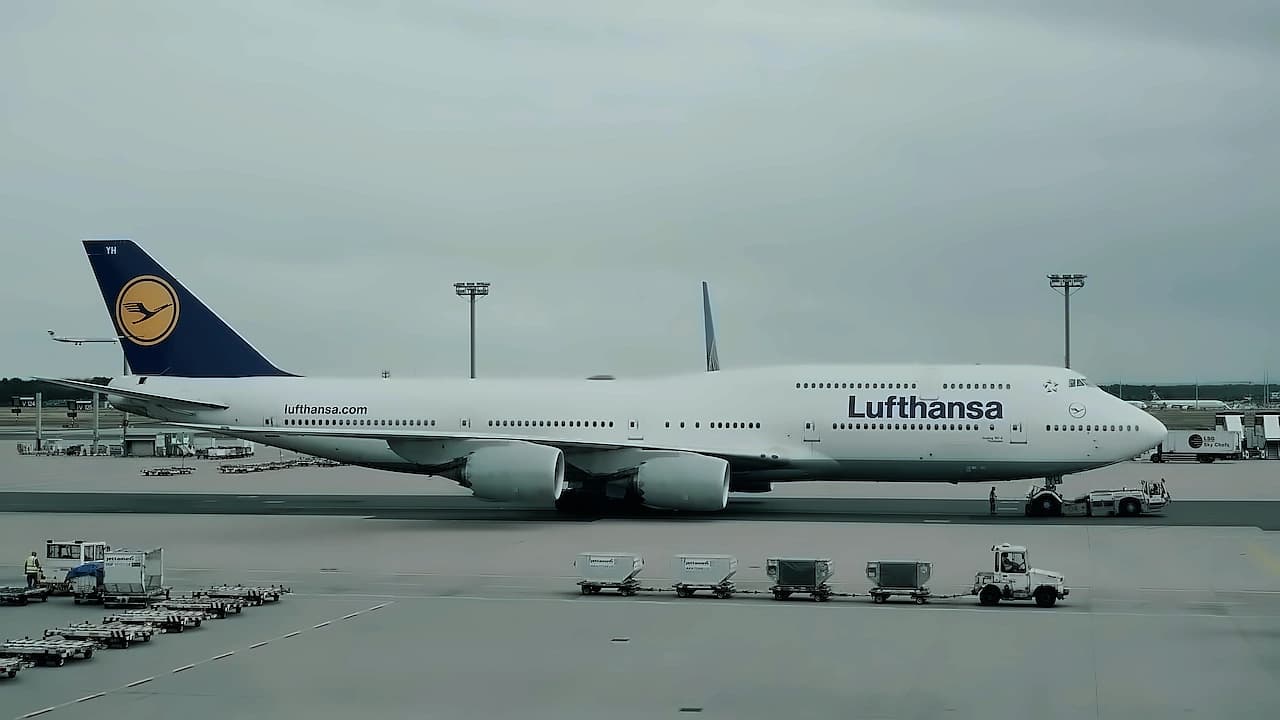
According to Reuters, Lufthansa intends to retire or temporarily ground some aircraft in order to simplify operations, lower fuel usage, and minimise exposure to unhedged fuel costs. The airline stated 86% of Lufthansa's fuel requirements for this year are hedged. As reported by Reuters, two Boeing 747-400s will be temporarily grounded starting with the winter flight schedule, and fuel-intensive long-haul aircraft like the Airbus A340-600 will be retired early. In a research note, Metzler stated that Lufthansa was now justified in increasing ticket rates in order to cover increased expenses. The company added that fuel supplies are expected to remain stable despite ongoing geopolitical uncertainties. European airlines, including British Airways-owner IAG and Air France-KLM, have been hit hard by higher fuel costs despite hedging programmes, with both planning to trim capacity to help offset the impact.