According to reports from Reuters, Qantas Airways Ltd. reported its lowest annual profit in four years, with underlying pretax profit falling 14% to A$2.06 billion in the year ended June 30. The Australian airline's performance met analyst expectations, with the result slightly ahead of the Visible Alpha consensus estimate of A$2.00 billion. The company scrapped a stock buyback of as much as A$150 million that was announced in February, directly impacting shareholder returns. As reported by Reuters, the airline declared a final dividend of 19.8 Australian cents per share. The year-to-June figure was just $600m higher than the previous year, representing a $330m decline from the year before. Qantas shares jumped 3% in early trading to their highest in a week, compared with a 0.4% decline in the ASX200 benchmark index as of 0020 GMT. Jefferies analysts noted that "Qantas delivered resilient earnings, maintained balance sheet strength, continued returning capital to shareholders and provided a constructive outlook."
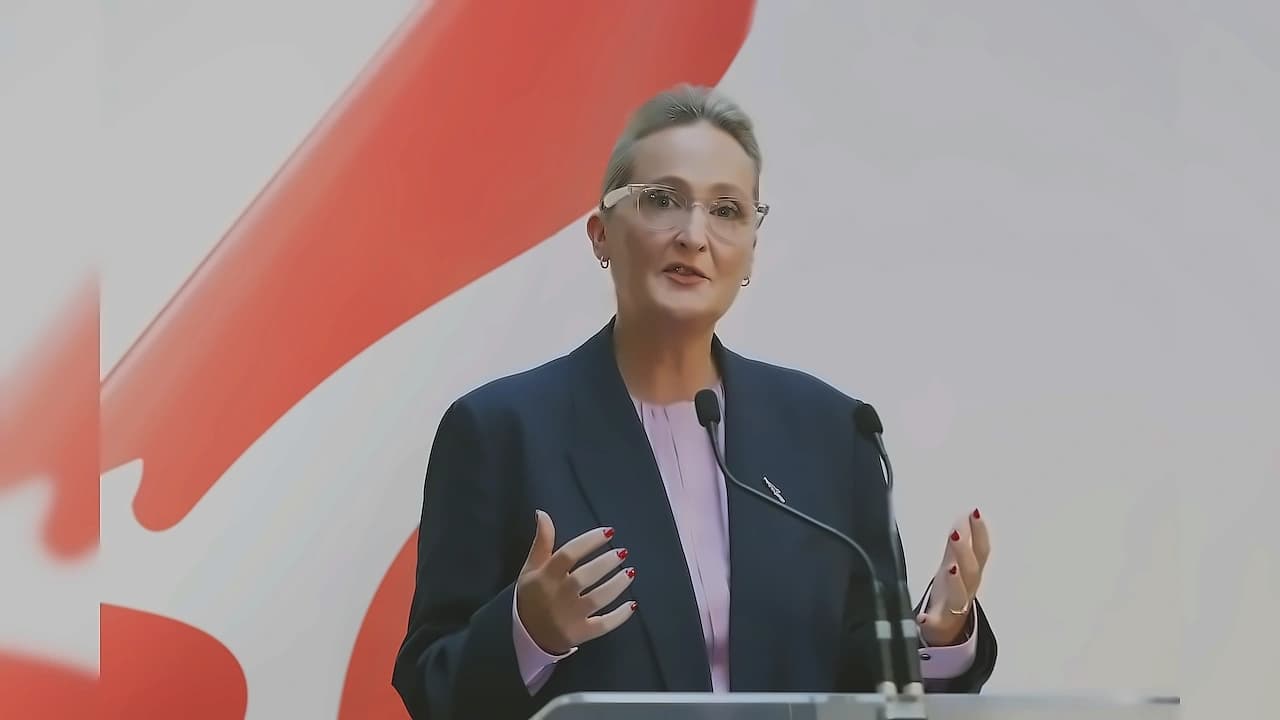
As reported by Reuters, the net impact of Middle East conflict was A$420 million, including higher fuel costs that have become one of the largest expenses for airlines even in normal market conditions. Carriers worldwide have been grappling with higher fuel prices since the Middle East conflict started in late February. Despite easing tensions in the Middle East, Qantas forecast jet fuel prices to remain elevated through the first half of 2027, projecting net fuel cost to be about A$3.6 billion, compared with A$2.6 billion spent in the six months ending December 2025. The airline's international flights contributed $650m in underlying earnings, falling from the year before thanks to higher fuel costs, though this was partly offset by an extra $190m in earnings from customers who switched to Qantas after cancellations on other airlines. CEO Vanessa Hudson explained that "the A380s are now no longer in production, and so the cost of those aircraft over time will increase in terms of maintenance, but also the cost of disruptions that will come are also going to increase."
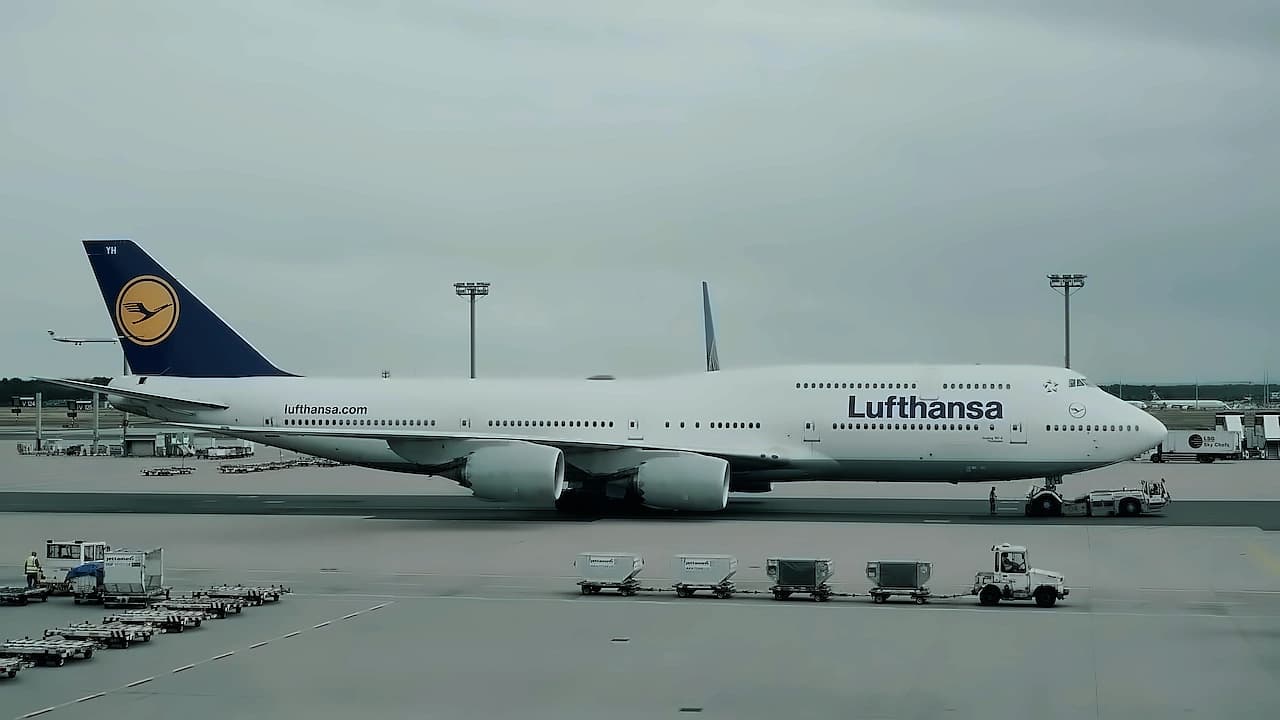
According to Reuters, Qantas is bringing forward its Airbus A380 retirement timeline by four years, with the superjumbos now set to exit service in 2028 rather than 2032. CEO Vanessa Hudson explained that "the A380s are now no longer in production, and so the cost of those aircraft over time will increase in terms of maintenance, but also the cost of disruptions that will come are also going to increase." The airline is in talks with Airbus and Boeing about converting 20 options to firm orders for A350s and 787s from 2030, separate from its plans for "Project Sunrise" non-stop flights. The new order would replace the superjumbos about four years earlier than previously planned. Hudson defended the decision, stating "the double-decker Airbus has had such an important role and such an important role at the moment for the group in terms of responding to the impact and the growth in demand that we see as a result of the Middle Eastern conflict." The airline has announced an ambitious overhaul that will see more than two-thirds of its fleet comprising next-generation aircraft by 2031, with the modernization not expected to be delayed by skyrocketing fuel prices that have impacted current profitability.
Despite operational challenges, Qantas provided an upbeat revenue outlook, projecting domestic and international total unit revenue growth between 8% and 10% in the first half of 2027, higher than the Visible Alpha consensus on both measures. As reported by Reuters, the airline forecast domestic capacity would decline 3% while international capacity would rise 2% in the first half. The company noted that travel demand remained resilient, with customers continuing to prioritize travel despite the challenging operating environment. Qantas international revenue grew 8%, mostly from increased capacity, while Jetstar International grew its capacity by 11% and brought in a 14% revenue increase. Qantas and Jetstar domestic generated a combined $1.44bn in underlying earnings. Qantas' unit revenue increased 5% from March to June as leisure customers and Western Australian resources businesses kept booking flights, though government and big business cut back bookings. Jetstar's domestic flight capacity increased 4% but revenue rose by 11% as the airline attracted "value-conscious customers," with half of Jetstar domestic customers paying under $150 per flight.
According to Reuters, Qantas shares jumped 3% in early trading to their highest in a week, compared with a 0.4% decline in the ASX200 benchmark index as of 0020 GMT. CEO Vanessa Hudson said the year was "defined by two very different operating environments" as robust travel demand through much of the year collided with a surge in fuel costs driven by the Middle East conflict that reduced second-half earnings by A$420 million. Higher fares, a reduction in domestic capacity and redeploying aircraft to stronger international routes only partially offset the headwinds from rising fuel costs. The airline is preparing to start world's first non-stop services connecting Sydney with London and New York in October next year, with the first ultra-long-range Airbus A350-1000 due to be delivered in April. Additionally, Qantas is in talks with Airbus and Boeing about converting about 20 existing purchase rights for new planes to firm orders from 2030. The company also announced it would add a carry-on luggage charge from next year, with basic tickets to only include one "under seat bag," though CEO Vanessa Hudson declined to predict the impact on revenue or ticket sales, stating "unbundling and enabling those customers to have that choice, we think is incredibly important." Qantas loyalty program delivered 12% underlying pre-tax earnings growth of $625 million, with the program forecast to generate underlying pre-tax earnings of 5 to 7% in the 2027 fiscal year.