South Korea's KOSPI benchmark has fallen about 30% from its June 19 peak, according to Reuters, dealing a political setback to President Lee Jae Myung's government. The market reversal has intensified scrutiny of an investment culture that encouraged retail investors to take on increasingly complex and leveraged products. The sell-off has also raised questions about South Korea's ambitions to achieve developed market status, as authorities confront the consequences of extreme retail trading activity. The global artificial intelligence boom boosted demand for memory chips, helping Samsung Electronics and SK Hynix surge in value, which encouraged more retail investors to participate while financial influencers turned stocks into a national obsession.
A Citi client note estimated that retail investors had lost $38.7 billion on leveraged ETFs, highlighting the dangers of leverage during rapidly changing market conditions. Margin loans for KOSPI investment jumped about 75% from the beginning of the year to roughly 30 trillion won by late June, with margin loan balances reaching a record 29.8 trillion won on June 24. The concentration of the Korean market in a handful of large technology companies increased risks, as Samsung Electronics and SK Hynix together accounted for more than 53% of the KOSPI's total value. Investors who had borrowed money or used leveraged products to maximise gains during the rally faced substantially larger losses once share prices turned lower, with the speed of the reversal compounding the financial damage.
As part of efforts to make the domestic market more sophisticated, regulators launched single-stock leveraged exchange-traded funds on May 27, which use derivatives to magnify the daily performance of individual stocks. The products were approved despite internal concerns over whether domestic investors fully understood the risks, with investors required to complete an hour-long training course and meet minimum deposit requirements. The presidential office and economic ministries said they had reviewed the introduction of these products after assessing the associated risks, while the Financial Services Commission also said it had comprehensively considered various risks during the approval process. The products were eventually launched despite concerns that they were already widely available to Korean investors trading overseas.
Investment-related content became increasingly popular, reflecting the broader enthusiasm surrounding domestic equities, according to Reuters. Financial YouTuber Jeon Suk-jae, whose channel has millions of subscribers, had seen investor sentiment shift sharply from euphoria to gloom as the market reversed. The psychological consequences have extended beyond financial losses, with demand for psychiatric assistance related to stock market stress increasing, while authorities have also dealt with incidents involving investors who blamed financial losses on others. Some long-time investors had suffered steep losses during the rout and were reconsidering their participation in Korean equities, questioning whether they want to return to the domestic market. The volatility has led to increased demand for mental health services and has sparked a nationwide debate over investment practices.
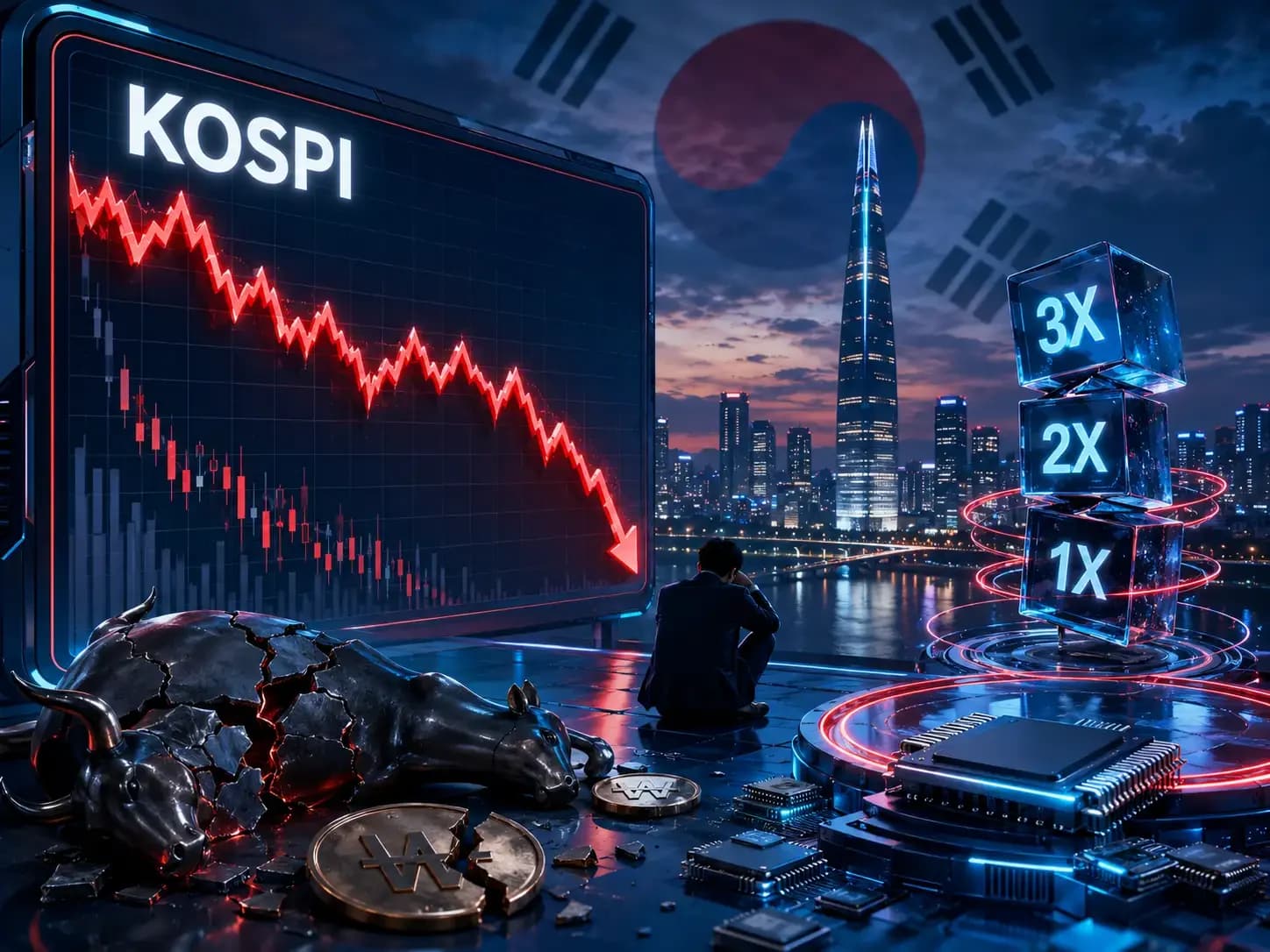
Despite the recent decline, the KOSPI remains well above its October levels, yet the experience has left some investors questioning whether they want to return to the domestic market. The government and financial authorities have responded by imposing tighter restrictions on individual investment in certain leveraged ETFs, while politicians have faced pressure over policies encouraging greater retail participation in risky products. The sharp rise in volatility has raised concerns among international investors about the stability of the domestic market, even though measures designed to improve corporate governance remain broadly positive. For policymakers, the episode could prompt a broader reassessment of how quickly financial market reforms should be introduced and what safeguards are needed when complex leveraged products become accessible to retail investors, with the immediate challenge being to restore investor confidence while preserving the longer-term goal of building a more transparent, competitive and globally integrated Korean stock market.