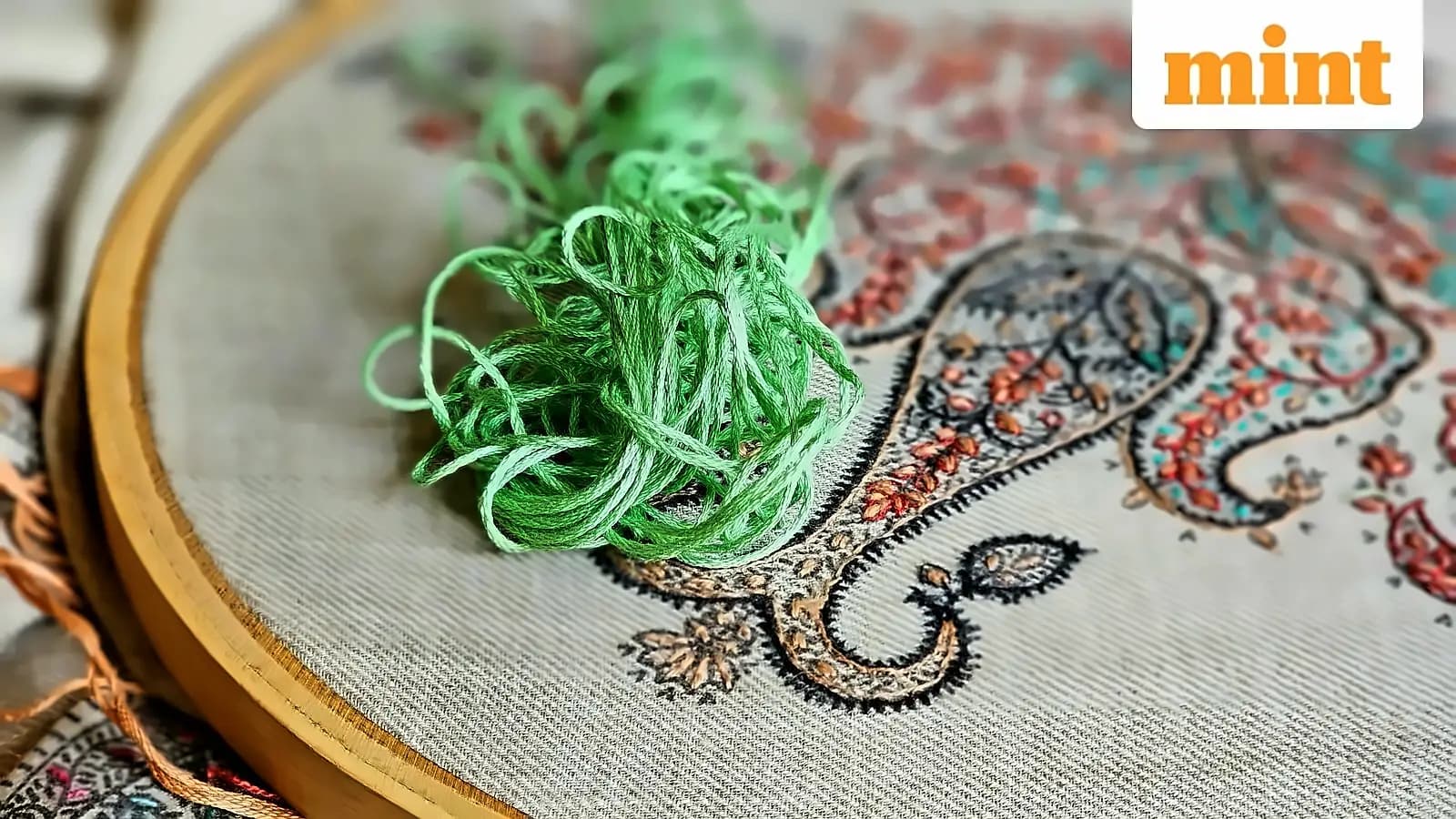
Srinagar has achieved a significant milestone by becoming India's fourth World Craft City, joining the exclusive list of three other cities - Jaipur, Mysuru, and Mamallapuram. The World Crafts Council International (WCCI) has identified Srinagar as a potential candidate for this prestigious designation, recognizing the city's unique preservation of traditional crafts such as Pashmina shawls, carpets, and papier mâché. The city boasts a rich artisanal heritage with over 20,000 registered craftsmen engaged in various disciplines including papier mâché, walnut wood carving, hand-knotted carpets, and sozni embroidery.
The conflict involving Iran, Israel and the US has severely disrupted Kashmir's ₹800 crore handicrafts industry, with exporters reporting orders have almost stopped according to Mint reports. Srinagar-based carpet dealer Fayaz Ahmad Shah explained that buyers are prioritizing survival over luxury purchases, stating "Buyers are not thinking about carpets or handicrafts right now. They are thinking about survival." The Gulf region, which accounts for 50-60% of Kashmir's handicraft exports, has seen orders slow, payments delayed, and logistics costs surge significantly. Handicrafts contribute significantly to the local economy, with approximately 2.64% of J&K's overall economic output attributed to the sector by 2016-17.
The disruption has created a ₹300-500 crore working capital squeeze as reported by Mint, with industry bodies flagging delayed payments and stalled shipments to the Directorate General of Foreign Trade. Online seller Muheet Mehraj of Kashmir Box reported an 80-85% drop in sales with the Gulf Cooperation Council region being central to his business. Logistics provider Sheikh Samiullah of FastBeetle noted that "shipping has become expensive and unpredictable," making deliveries to the Gulf increasingly difficult. The sector supports approximately 445,000 artisans in Jammu & Kashmir, many of whom depend directly on export demand.
According to Mint reports, handicraft exports have declined significantly from ₹1,700 crore in 2013 to ₹733 crore in 2024-25, impacted by the 2014 floods, 2016 unrest, demonetization, and the pandemic. The Russia-Ukraine war and US tariffs of up to 50% on Indian goods have further squeezed margins. Industry officials warn that while the immediate impact is visible, real shockwaves will be felt over the next two to three months even if the conflict stops, as reported by Smita Nagarkoti, director of the Carpet Export Promotion Council. The sector faces additional challenges including the introduction of GST in 2017, initially set at 12% for handicrafts before being reduced to 5%.