Longer-dated U.S. Treasury yields declined on Friday after recent economic data showed mixed signals about inflation trends. The 30-year bond yield shed 3.3 basis points to 5.064% and was slightly lower on the week, marking its first weekly decline in three weeks. The two-year U.S. Treasury yield fell 2.2 basis points to 4.134% and was down four basis points on the week, as reported by The Economic Times. A closely watched part of the U.S. Treasury yield curve measuring the gap between yields on two- and 10-year Treasury notes stood at a positive 36.9 basis points, seen as an indicator of economic expectations. The 10-year TIPS breakeven rate was last at 2.245%, indicating the market sees inflation averaging about 2.2% a year for the next decade.
The June Producer Price Index (PPI) came in at -0.3% month over month, marking the largest monthly drop in PPI inflation since April 2025, as reported by the Bureau of Labor Statistics. The headline PPI also showed a 5.5% year-over-year increase versus the expected 6.2%. The PPI Core MoM printed at +0.2% against expectations of +0.3%, while PPI Core YoY reached 4.7% compared to the expected 5.1%. The 1.4% monthly decline in goods prices was particularly significant, with services prices rising only 0.2% month-over-month in June. Energy prices fell 6.4% while gasoline prices alone plunged 12%, accounting for about two-thirds of the monthly fall in goods prices. The decline came as oil prices eased during a brief pause in tensions between the US and Iran, though the outlook has become more uncertain as hostilities involving Iran intensify.
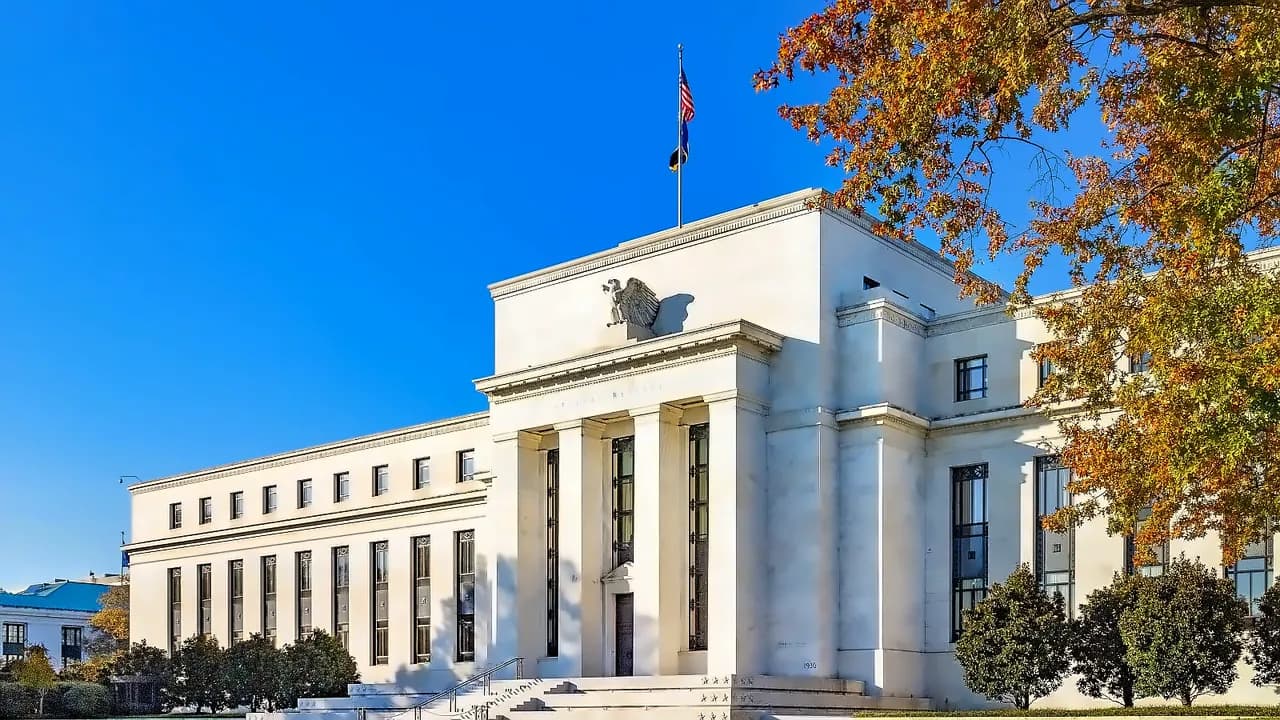
The sharp decline in PPI inflation has triggered a significant dovish shift in Federal Reserve rate expectations, with Fed rate hike odds for July 2026 dropping to just 14.4%, according to the latest CME FedWatch data. This represents a dramatic decline from 40% on Monday and marks a substantial shift from earlier expectations. The probability of a rate hike by the September meeting also saw a notable decrease from 59% to 41.5% over the past 24 hours, as reported by the Kobeissi Letter. This represents a dramatic change from earlier expectations, with market participants now interpreting the inflation data as reducing the urgency for the Fed to increase rates in the near term. The Federal Open Market Committee (FOMC), chaired by Jerome Powell, is under close scrutiny as participants adjust their expectations based on this latest inflation data. The 0.7 percentage point miss from the consensus forecast of 6.2% is the kind of data that moves markets and reshapes expectations about where the Federal Reserve goes next with interest rates.
Adding to the mixed economic signals, import prices increased 0.3% last month, above the estimate of economists polled by Reuters that called for a 0.7% decrease, after a downwardly revised 1.7% advance in May, as reported by The Economic Times. The data showed declines in the costs of food and energy products were more than offset by higher prices for capital and consumer goods. This unexpected rise in import prices, combined with the cooling consumer and producer price data, has created uncertainty in markets about the sustainability of the recent inflation decline.
The softer inflation numbers could reduce pressure on the Federal Reserve to raise interest rates in the near term, though markets still expect the central bank to approve another rate increase this year, possibly as soon as September, according to the Financial Express. Fed Chair Kevin Warsh, in his first appearance before Congress since taking the role on May 22, said Tuesday that the central bank has "no tolerance for persistently elevated inflation" and warned that the June decline in prices did not represent a "mission accomplished" moment in the fight against inflation. As reported by TradeStation's David Russell, "There's no near-term pressure on the Fed, but oil is in the driver's seat over the longer term." The direction of oil prices, particularly as tensions around Iran and the Strait of Hormuz continue, could determine whether June's inflation relief lasts. Market participants will closely monitor upcoming inflation and employment data releases for further evidence consistent with either maintaining or adjusting current monetary policy.