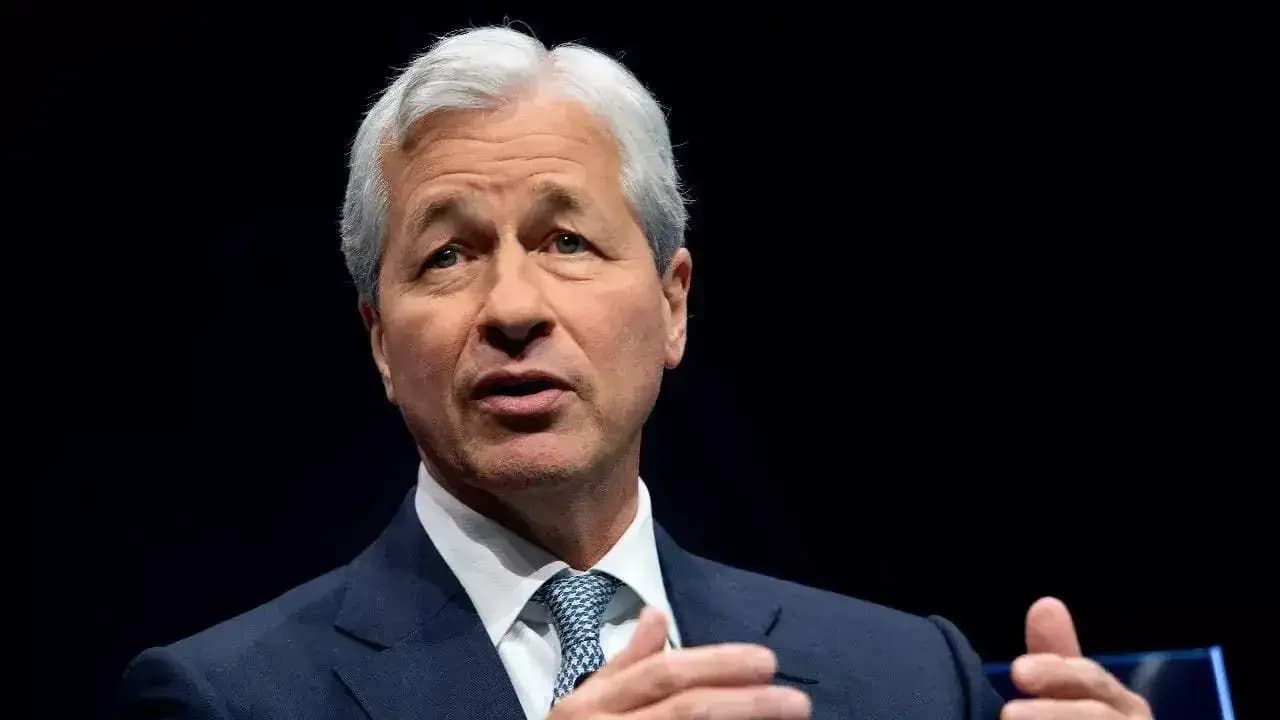
JPMorgan CEO Jamie Dimon has issued a stark warning about a massive transfer of small-business ownership that could significantly impact the American economy. According to reports from The Economic Times, a Chase survey of approximately 1,000 small-business owners revealed that 70% are still in early-stage succession planning or have no formal plan. Only 8% of business owners report being fully prepared to transfer ownership, creating substantial risk for the economy. The survey data indicates that around 12 million US businesses, representing nearly $10 trillion in assets, are expected to change hands over the next 10 to 15 years. Dimon has emphasized that 'the American Dream is alive, but it's slipping out of reach for too many people', warning that poorly managed transitions could result in failed sales, closures and lost jobs.
Moody's Analytics chief economist Mark Zandi has raised concerns about potential Federal Reserve policy mistakes that could impact economic recovery. As reported by The Economic Times, Zandi called the odds of a 'serious Fed policy mistake' 'uncomfortably high and rising'. The Fed recently raised rates by 25 basis points on Wednesday, taking its target range to 3.75%-4.00%, with policymakers signaling another hike could come this year. Zandi argues that inflation above 3% is being driven partly by energy prices and tariffs, and higher rates cannot create more oil or remove tariffs. He warns that AI investment makes the trade-off harder, as the Fed may have to cool the AI boom or squeeze weaker parts of the economy to force inflation down.
According to reports from The Economic Times, both warnings highlight significant concentration risk for investors. Investors heavily exposed to US growth, AI stocks and easy credit could face sharper losses if higher rates expose weakness elsewhere. Dimon's warning adds a slower-moving problem to the equation, as more than half of firms in strategically important industries have owners aged 55 or older. The combination of these structural risks and potential Fed policy mistakes creates a complex environment where investors may face multiple headwinds simultaneously, particularly those with significant exposure to small business sectors and technology investments.