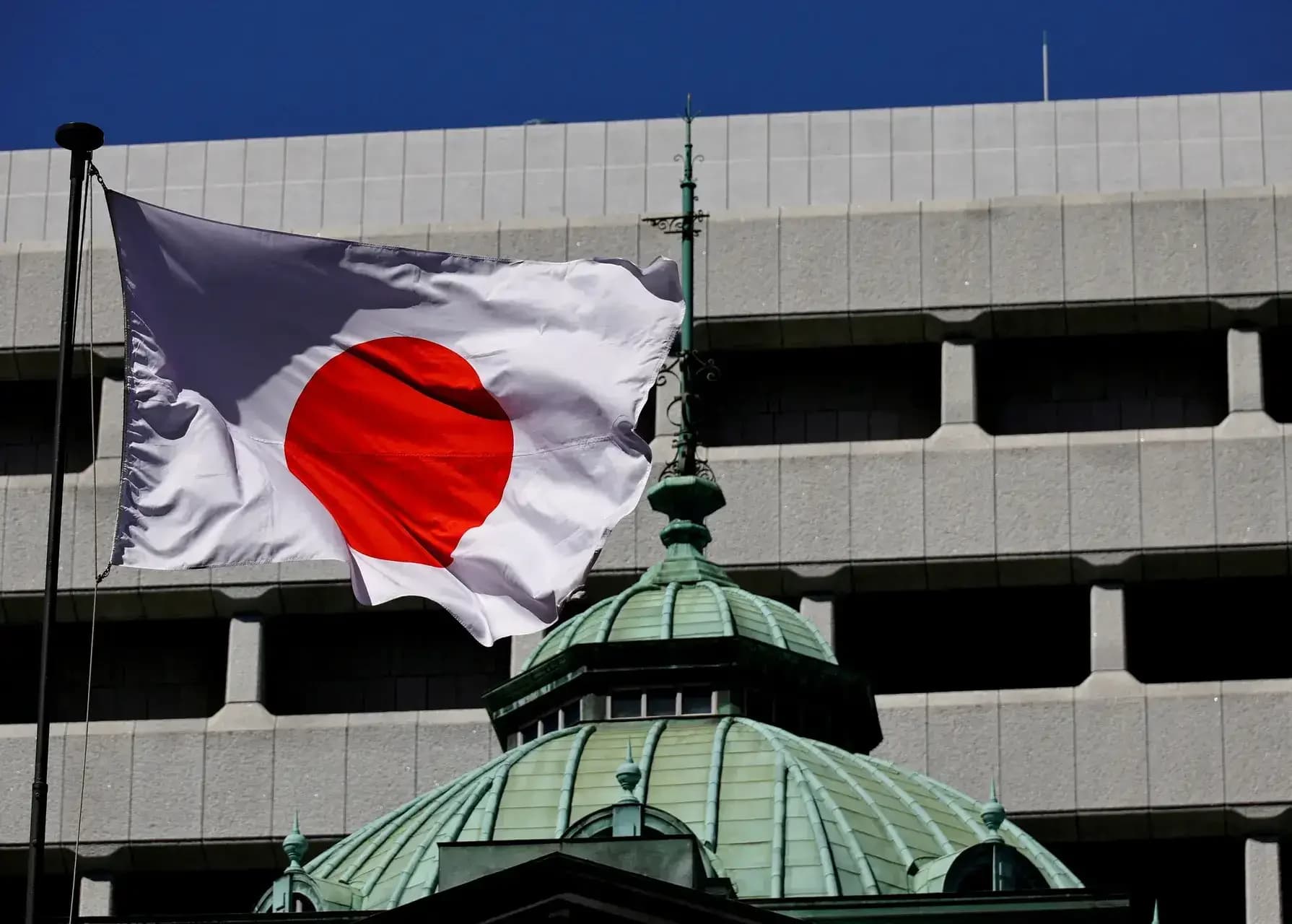
The Japanese yen has neared its strongest level since February, with the currency trading at 153.49 per U.S. dollar on Monday, just below the seven-month high of 152.89 hit last week. The rally has been broad-based, with the yen gaining against the euro, sterling, and popular carry-trade targets such as the Mexican peso and Turkish lira. As reported by Reuters, the move has been fuelled by expectations of faster Bank of Japan tightening, prospects of Japanese investors repatriating overseas funds, and pressure from Washington for a stronger yen. The currency dynamics have been further complicated by Iranian-backed Houthis in Yemen launching strikes on several Saudi cities, while U.S. forces hit multiple Iranian oil tankers and Iran targeted a U.S. base in Jordan. Brent crude futures rose 3.36% to settle at $101.21 a barrel - their highest since May, casting a shadow over global markets ahead of a U.S. inflation report on Friday that will set the stage for central bank meetings next week.
The yen's four-week climb collides with the Federal Reserve's Wednesday rate decision, with the size of the Fed's move potentially deciding whether Tokyo's currency gains hold or reverse. Traders now price Fed rate hike odds at 86% for Wednesday, based on the CME FedWatch tool that estimates odds using futures pricing. The Bank of Japan meets two days later, on Friday, with MUFG analysts saying a quarter-point hike is already largely priced into markets. However, the bank said the yen needs a signal of faster future hikes to strengthen further. A different risk applies if the BOJ leaves further hikes off the table for October and December, with TD Securities noting that scenario could send dollar/yen back toward the 157 to 160 zone. The stakes are particularly high, as this month's yen advance has almost reached 4%, adding to the pressure on Tokyo.
The currency shift has been dramatic, with the pair moving from near 159 three weeks ago to current levels. As reported by Reuters, Japanese investors had net bought more than 5 trillion yen of foreign assets in the two weeks to August 15, but rising Japanese inflation has since pushed the trade the other way. Hawkish signals from Bank of Japan Governor Kazuo Ueda and board member Hajime Takata triggered the shift, with the pair breaking 155, a level that had survived the Ministry of Finance's intervention in May. The break below 155 yen per dollar, a level widely viewed by the market as key support, further reinforced hedge funds' bullish yen bets, with the yen holding firm despite strong U.S. employment data and rising expectations for additional rate hikes by the Bank of Japan. The currency dynamics have been further complicated by Tokyo's calls for an uncapped Foreign and International Monetary Authorities (FIMA) repo facility and Treasury Secretary Scott Bessent's public prodding of the Bank of Japan.
The pressure extends beyond Tokyo as the U.S. dollar index held steady at 99.15 after two weeks of declines. Meanwhile, the European Central Bank raised rates last week, and the Bank of England is expected to hold Thursday's vote, which looks close. According to Reuters, speculators turned net-long on the yen for the first time since February, marking a shift in positioning. The stakes are particularly high, as James Athey, a fixed-income portfolio manager at Marlborough, described the situation bluntly: "Not hiking would be a catastrophic error. Not communicating robustly will be a significant own goal." Athey also pointed to repatriation flows and asset allocation shifts at GPIF, Japan's giant public pension fund, which are already pulling money back into the yen, separate from the rate decisions this week.