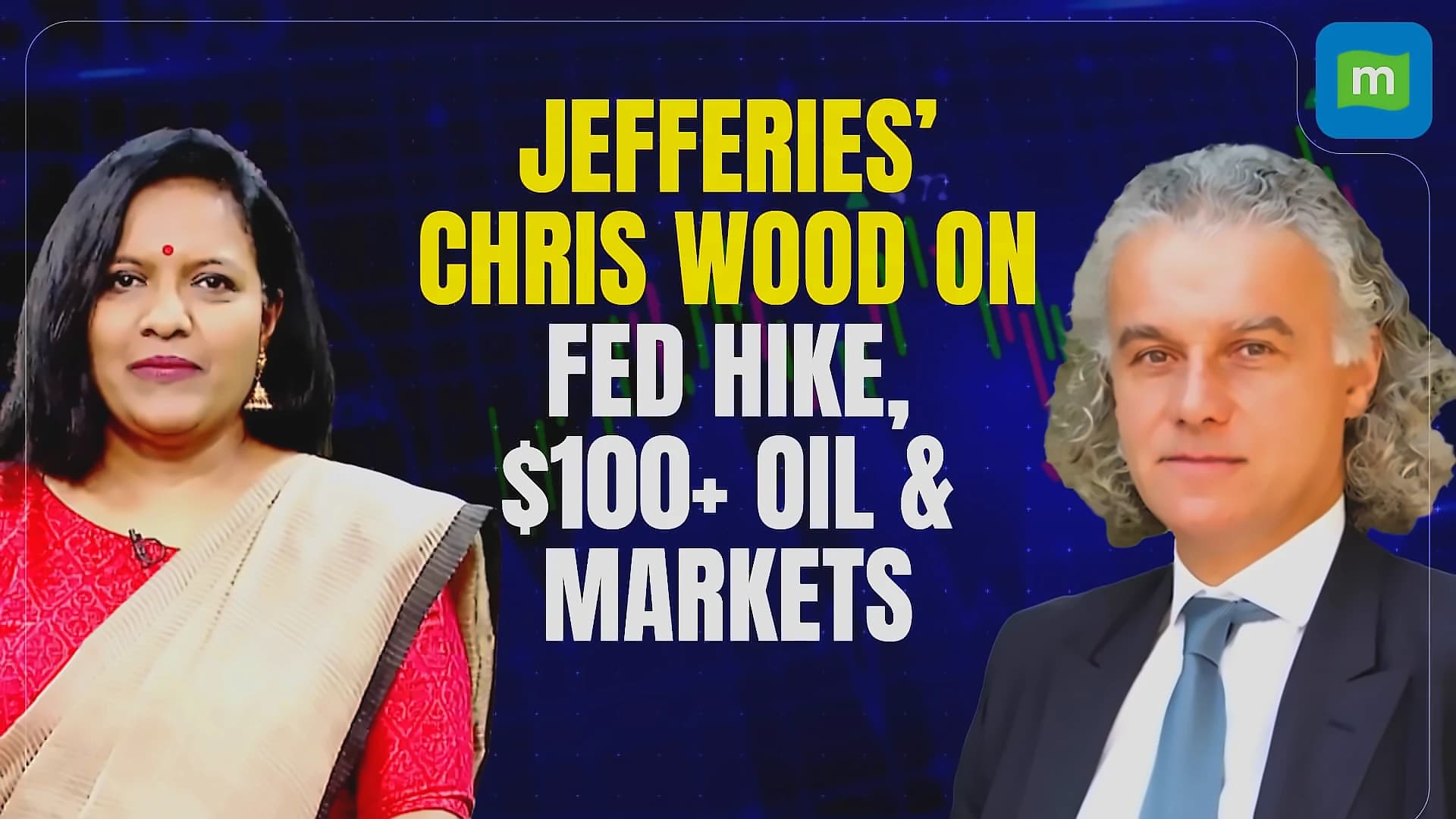
The Federal Reserve may have one or two more rate hikes in store according to Todd Buchholz, Fellow at Yale University and former Managing Director at Tiger Hedge Fund. As reported by Moneycontrol, Buchholz explained that the Fed's unanimous decision suggests policymakers believe a 25-basis-point hike alone may not be enough to bring inflation under control. However, weaker economic data or better-behaved inflation could change that view. This development aligns with Chris Wood's earlier assessment that the Fed's latest 25-basis-point rate hike was a decisive move that markets are now digesting.
Wood has introduced a traffic light system for US bond yields, with 4.5% representing a yellow warning light and 5% being a red signal for equities. As reported by Moneycontrol, the US 10-year Treasury yield has reached this critical 5% level, which Wood describes as a decisive break that would be a negative signal for stocks. He believes the bond market's reaction to the Fed's latest rate hike is crucial, noting that if Kevin Warsh had not raised rates, there would have been a risk of a bigger bond market sell-off. The current US fiscal situation is so extreme that America can't deal with these higher bond yields, according to Wood, who predicts the US eventually will have to suppress bond yields if the bond market doesn't succumb to Treasury Secretary Bessent's efforts.
Wood has identified the AI capex cycle as the most important macro issue for global stock markets right now, questioning whether enormous US hyperscaler investments will generate returns that justify the spending. According to his analysis, the quickest way for large foreign flows to return to India would be a sharp reversal in the AI and semiconductor trade that has been attracting global emerging-market capital. He warned that if the market suddenly decides to withdraw funding, it could end the AI investment story quickly, stating that "what will end this story very quickly is if the market suddenly decides to withdraw the credit card and say, 'We're not funding this anymore.'" The US stock market's instinct will be to ignore rising yields for as long as it can because what's been supporting the market all year is this very strong EPS growth, which is primarily driven by this AI capex cycle.
Wood's analysis extends to the impact of higher oil prices and global yields on Indian equities, the rupee and foreign portfolio flows. As reported by Moneycontrol, he shared his outlook for the Indian market in the months ahead, providing insights into how global developments are affecting domestic market conditions. His assessment covers both immediate and longer-term implications for Indian financial markets. Regarding foreign investor flows, Wood explained that last year's record foreign selling of Indian equities was largely driven by global investors reallocating towards Korea and Taiwan as semiconductor stocks surged, rather than by India-specific factors. He noted that the quickest way foreign money will return in size to the Indian stock market would be if the semiconductor cycle and AI capex cycle implodes. The moment credit markets effectively withdraw funding, the entire AI trade could unravel, when that happens, you'll see substantial capital flowing back into India.
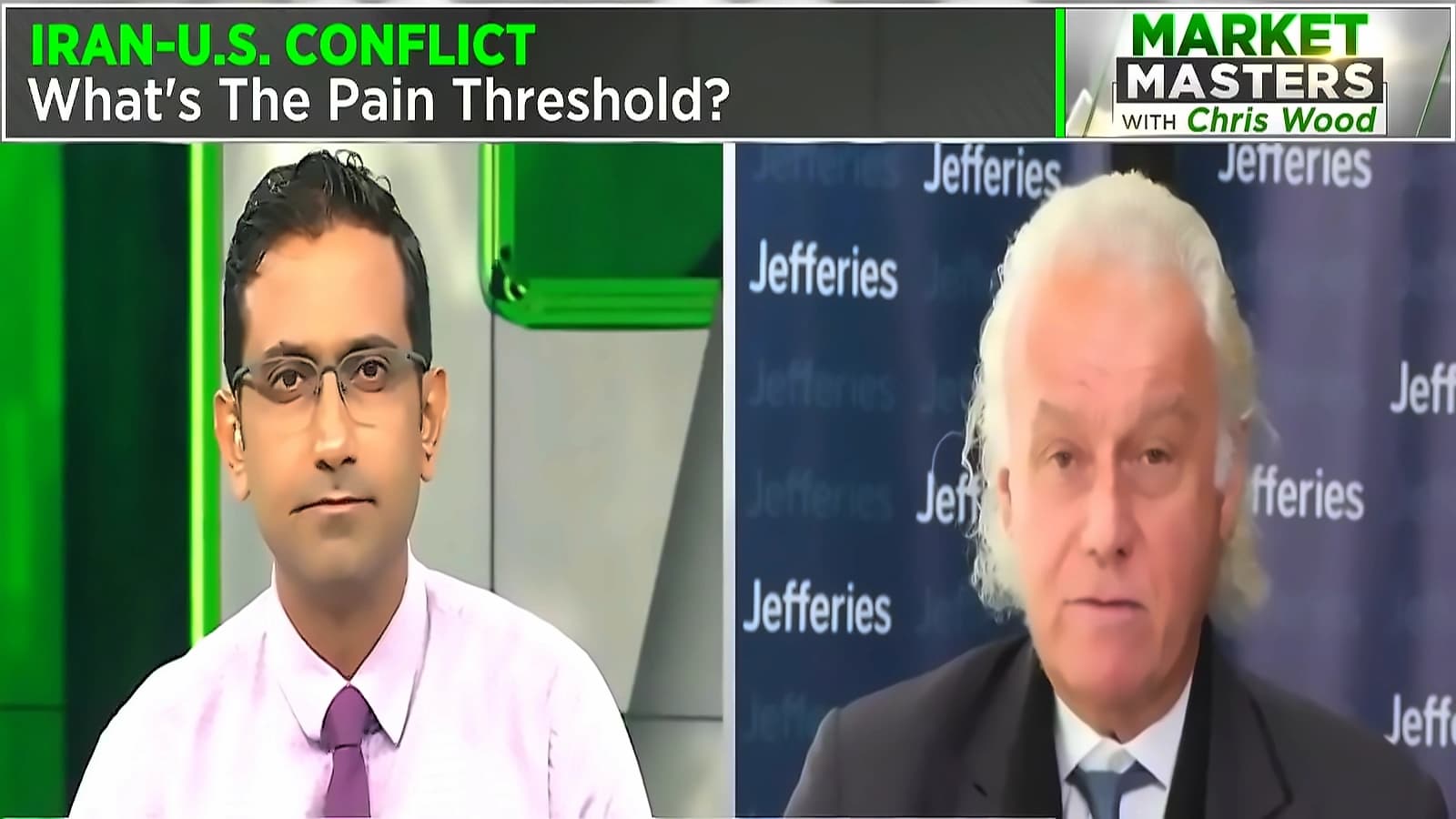
Wood maintains his view that do not own any G7 government bonds while favouring local-currency emerging-market government bonds. Regarding geopolitical risks, Wood noted that China's reduced oil purchases had helped keep prices lower in recent months, but a change in its buying behaviour could quickly alter the picture. He identified China as the swing factor, stating that if the Chinese suddenly want to put leverage on President Trump, all they have to do is start buying oil again. With oil prices elevated amid West Asia conflict, Wood believes the only practical way investors have to hedge geopolitical risk is to own energy. He expects the standoff between the US and Iran to stretch past the November midterm elections, and investors should expect oil prices to stay high or climb further. Regarding US sanctions on Russian oil buyers, Wood said it would be a big negative for India if Washington imposes the measures, but the impact could be less severe if the US and Russia move toward a deal on Ukraine, since President Trump has taken a less confrontational line on Russia than the US Congress.