Japan's 10-year government bond yield briefly exceeded 3% for the first time since 1996, while its 30-year yield reached a record 4.18%, according to BlackRock's September 8 warning. This surge in Japanese yields has created a significant competitive challenge for U.S. Treasuries, as Japanese investors can now earn approximately 3% from domestic bonds compared to roughly 2% from yen-hedged U.S. Treasuries. BlackRock estimates that a hypothetical 5% portfolio shift would redirect approximately $55 billion toward Japanese assets, representing about 7% of the U.S. Treasury's expected net borrowing during the quarter. The backdrop has become more challenging for longer-dated bonds, with rising oil prices reviving inflation concerns and worries about government borrowing costs pushing longer-term yields higher across major markets.
The potential shift matters significantly because Japan holds roughly $1.1 trillion in U.S. Treasury securities, making any capital repatriation globally relevant. Decades of low and negative domestic interest rates encouraged Japanese banks, insurers and pension funds to invest abroad, but higher Japanese yields are beginning to alter that calculation. Fitch Ratings reached a similar view on September 9, stating that higher yields could encourage Japanese institutions to retain more capital domestically, though the rating agency did not forecast a broad liquidation of existing bond portfolios.
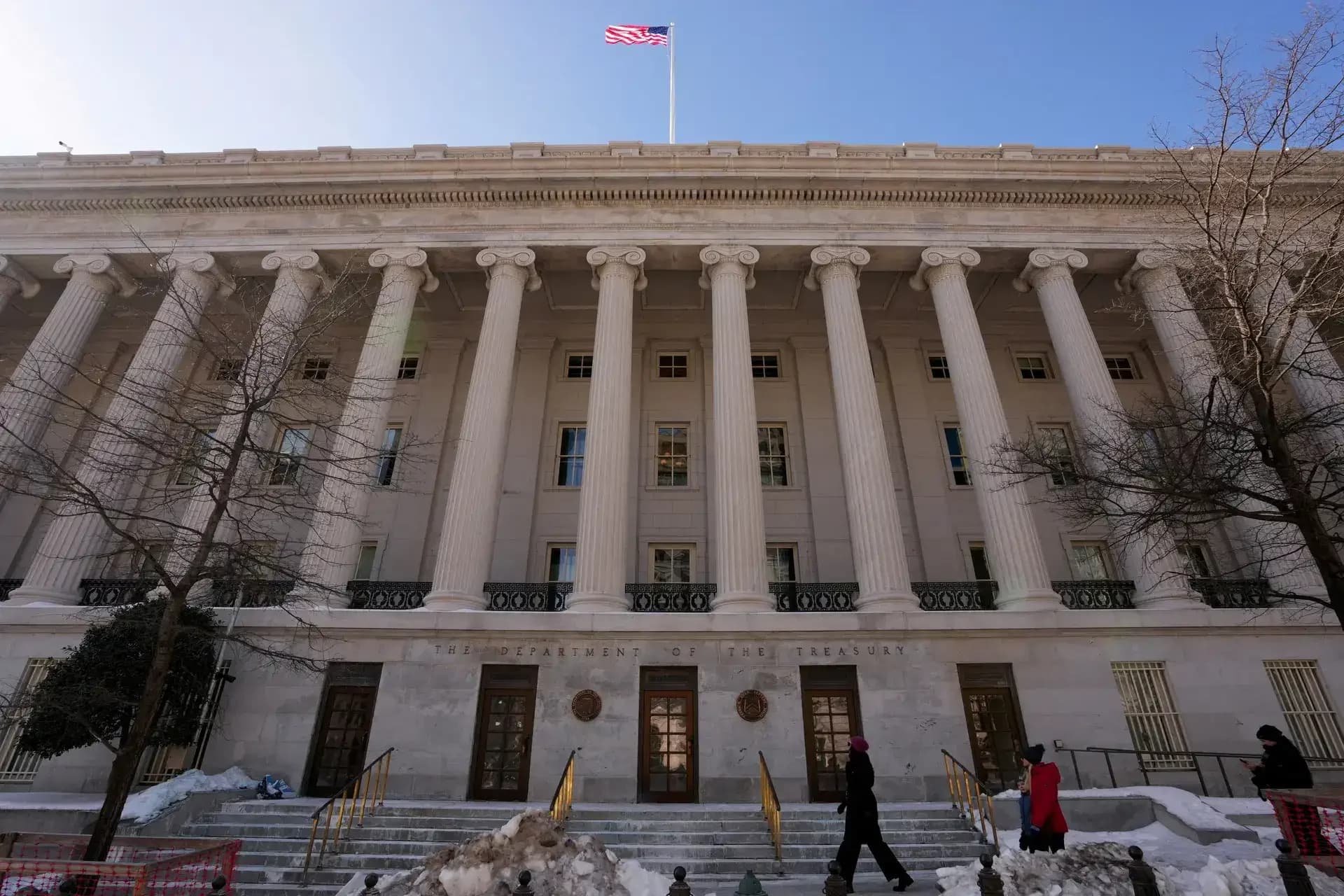
Treasury Secretary Scott Bessent announced a $6 billion buyback of longer-dated government debt on Wednesday, tripling the normal size of operations from the $2 billion pledged on August 19. However, this intervention failed to meet market expectations, with the 10-year Treasury yield climbing to 4.841%, reaching its highest level since November 2023, while the 30-year bond yield rose 5 basis points to 5.307%, breaching the closely watched 5.3% threshold. The move drove yields higher rather than lower, as markets had priced in an even larger intervention. Mizuho economist Alex Pelle noted that Treasury is "facing an uphill battle, in terms of trying to move against the general momentum of the market." The buyback operations are structured as 20-minute windows closing at 2 p.m. ET, with future operations set at a minimum of $4 billion.

The global bond sell-off continued into September 10, with the 10-year JGB yield standing near 2.91% and the U.S. 10-year Treasury yield reaching approximately 4.85%, its highest level since late 2023. Higher government bond yields can weigh on Bitcoin and other non-yielding assets by increasing returns available from lower-risk securities. As crypto.news reported, Bitcoin faced a possible decline toward $70,000 after retreating from $82,283 and struggling to hold the $78,000–$79,000 area, coinciding with rising Treasury yields and stronger oil prices. BlackRock remains underweight Japanese government bonds, expecting yields to face further upward pressure.
The bond selloff is creating an unusual split among ETF investors, with money pouring into both ultra-short Treasuries and long-duration government debt. Over the past month, the iShares 0-3 Month Treasury Bond ETF (NYSE:SGOV) has attracted about $6.6 billion in inflows, while the iShares 20+ Year Treasury Bond ETF (NASDAQ:TLT) has pulled in roughly $6.5 billion over the same period. Short U.S. Treasury ETFs attracted $12.2 billion in the 20 trading sessions through September 8, while intermediate-maturity bond ETFs drew about $5.7 billion, according to LSEG Lipper. The U.S. Treasury announced a $6 billion buyback of longer-dated government debt to support liquidity, yet yields continued rising despite this intervention.