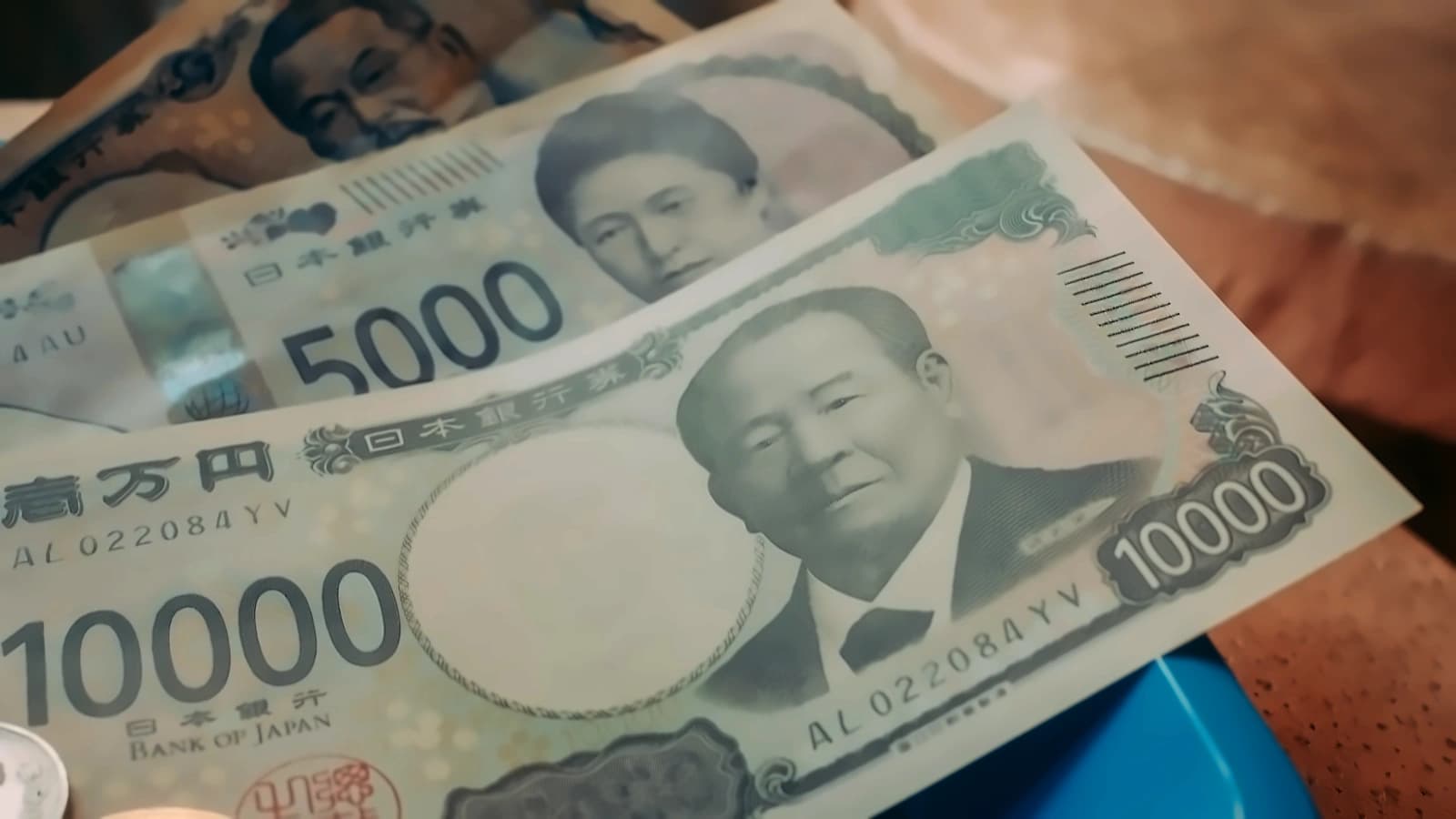
Japan has officially confirmed that it sold US Treasuries to fund its record currency market intervention, with Finance Ministry data showing foreign security holdings dropped by $75.6 billion from April to $1.31 trillion in May. As reported by Bloomberg, this matches the exact scale of Japan's recent entry into the currency market to prop up the yen. The intervention was conducted over the past month through May 27, hitting a record ₹11.73 trillion ($73.4 billion) according to Finance Ministry data released Friday. A ministry official confirmed that intervention was among the factors behind the sharp drop in foreign reserves, adding that the fall was the largest on record. Two government sources confirmed that a warning issued on April 30 by top currency diplomat Atsushi Mimura still stands, underscoring the risk of sudden intervention without overt signalling seen in the past.
The intervention raises significant concerns for Washington, which has become more focused on US government bond stability. Japan holds approximately 70% of its foreign reserves in US Treasuries, making it the largest holder of US foreign securities globally. According to Bloomberg reports, the Federal Reserve's custody holdings of Treasuries show Japan likely used US securities to fund recent yen purchases. A senior Japanese Finance Ministry official speaking at the Group of Seven meeting in Paris acknowledged that selling US government bond holdings could lead to yen decline, though the country proceeded with intervention measures. Treasury sales linked to intervention may not go down well in Washington, where officials have become increasingly focused on the stability of the US government bond market.
The Bank of Japan responded to currency pressures by raising its benchmark interest rate by 25 basis points to 1%, marking the highest level since 1995. As reported by CNBC TV18, the rate hike aimed to combat rising inflation caused by skyrocketing fuel prices amid Middle East tensions. The central bank is expected to further increase rates in December this year, though higher borrowing costs alone may not be sufficient to alleviate yen pressure. However, recent analysis suggests the BoJ's policy rate remains around 1.0% with a 2.0% inflation target, creating a negative real policy rate of approximately -1.0% when forward OIS pricing is considered. Bank of Japan Deputy Governor Ryozo Himino told parliament on Monday that inflation could overshoot the bank's 2% target, again flagging the cost of being too late in raising interest rates.
Finance Minister Satsuki Katayama reiterated that Tokyo "will respond appropriately to currency moves at any time," as the yen hovered near a four-decade low in early trade, weakening to 161.50 per dollar. Analysts say the government may be deliberately changing its communication approach after careful, well-telegraphed messaging ahead of the last intervention in April allowed speculators to unwind short yen positions in advance. A shift in expectations toward US rate hikes, along with renewed Middle East uncertainty pushing up oil prices, has reinforced dollar strength and made it harder for investors to cut dollar-long positions. According to SBI FX Trade's Yuji Saito, "That could ultimately increase the impact of any intervention, as authorities would be acting while positions remain stretched." The yen weakened as far as 161.8 per dollar last week, its lowest since July 2024, with a break above the 2024 high of 161.96 potentially sending the yen to its weakest level since 1986.
US Treasury Secretary Scott Bessent has expressed confidence in Bank of Japan Governor Kazuo Ueda, suggesting the US might want increased Japanese interest rates to assist in lifting the yen. However, as reported by CNBC TV18, Washington's view on Tokyo's actions could be revealed later this month when the US Treasury Department publishes its semi-annual foreign exchange report. In its January report, Japan was listed among ten economies whose currency practices merited scrutiny on the monitoring list of major trading partners. Recent market analysis indicates that USD/JPY is back at the stage where the market begins to play its oldest game with Tokyo: 'I dare you to intervene', with the Fed's hawkish shift creating additional pressure on the yen through rising rate differentials.