Eurozone annual inflation has accelerated to 3.2% in May 2026, up from 3.0% in April, according to the latest flash estimate from Eurostat, the statistical office of the European Union. The euro area's four largest economies have now remained above the European Central Bank's 2% target for a fourth consecutive month, with energy costs continuing to drive price pressures. Energy inflation is expected to reach 10.9% in May, up from 10.8% in April, while services inflation is forecast at 3.5%, compared with 3.0% in April. The euro has edged up marginally to 1.1648 against the US dollar as markets digest the latest inflation data, with the currency recovering from recent corrections as investors reassess the inflation outlook.
Japan's inflation in Tokyo slowed for a sixth consecutive month in May, staying under the Bank of Japan's 2% target for a fourth straight month. According to reports from Reuters, the Tokyo core consumer price index (CPI) rose 1.3% year-on-year in May, slower than the 1.5% increase recorded in April and below market expectations of a similar 1.5% rise. The softer inflation reading was largely driven by government measures aimed at reducing household utility, water and tuition expenses, helping cushion the impact of rising global energy costs. The latest developments show that USD/JPY snapped a five-day winning streak as the Greenback lost traction following reports of a 60-day memorandum of understanding between the US and Iran to extend the current truce, with the pair trading around 159.26.
The latest inflation data reveals that energy costs are expected to have the highest annual rate at 10.9% in May, compared with 10.8% in April, according to Eurostat. This represents a significant increase from previous months and continues to be the primary driver of overall inflation across the eurozone. Services inflation is forecast at 3.5%, up from 3.0% in April, while food, alcohol and tobacco inflation is expected at 2.0%, down from 2.4% in April. Non-energy industrial goods inflation is projected at 0.9%, compared with 0.8% in April. Despite the moderation in headline inflation, underlying price pressures remain a concern for policymakers across major economies, with an inflation gauge that strips out both fresh food and fuel costs rising 1.6% in May, slowing from 1.9% in April in Japan.
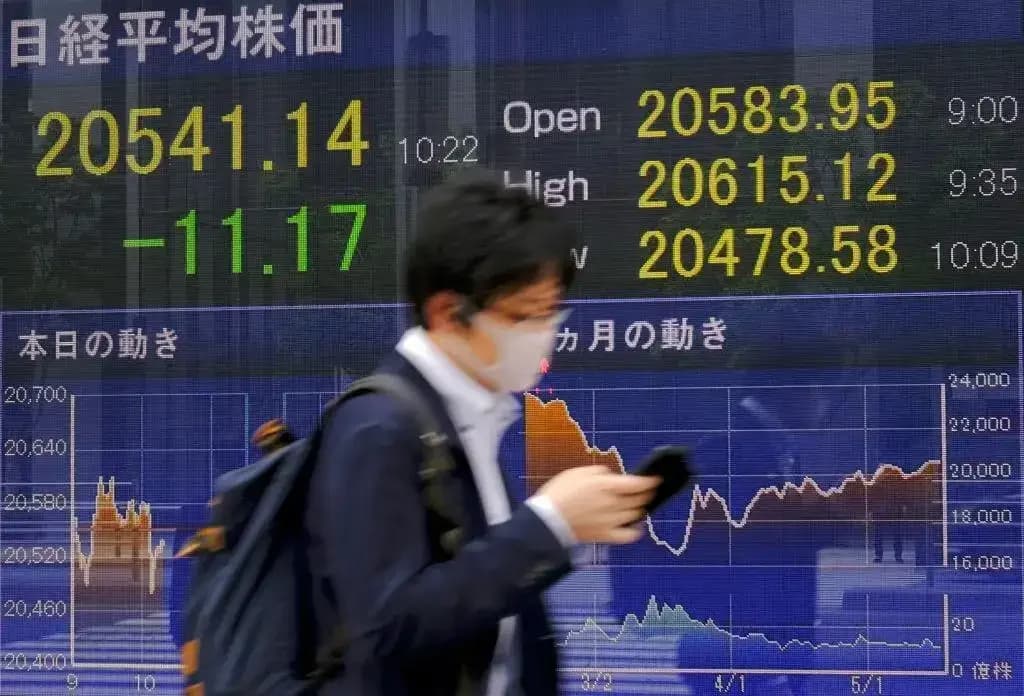
Separate government data released Friday showed Japan's factory output rose 0.8% in April from the previous month, defying expectations for a decline. According to Reuters, the rebound was driven largely by strong demand linked to artificial intelligence-related industries, which helped offset weakness in sectors affected by rising energy costs and Middle East tensions. Production of industrial and electrical machinery strengthened significantly, with output of chip inspection equipment surging 44.3%, highlighting continued momentum in AI-related capital spending. The resilience in factory activity adds to signs that Japan's economy has managed to absorb some of the pain from higher energy prices, with the euro recovering marginally to 1.1648 as markets reassess the inflation outlook across major economies.
The resilience in factory activity adds to signs that Japan's economy has managed to absorb some of the pain from higher energy prices, while the eurozone data reinforces expectations that policymakers may need to raise interest rates again next month. As reported by Reuters, the economy expanded faster than expected in the first quarter, supported by exports and consumer spending, with the Bank of Japan keeping interest rates unchanged at its April policy meeting but signaling growing concern about inflation risks. Economists said the trajectory of oil prices, domestic wages and consumer spending will likely determine how aggressively the BOJ proceeds with future rate hikes. Despite the recent increase in inflation, some economists believe the current episode is likely to be less severe than previous inflation shocks, with analysts noting that the latest data point to a relatively moderate inflation wave rather than the start of an extended surge in prices.