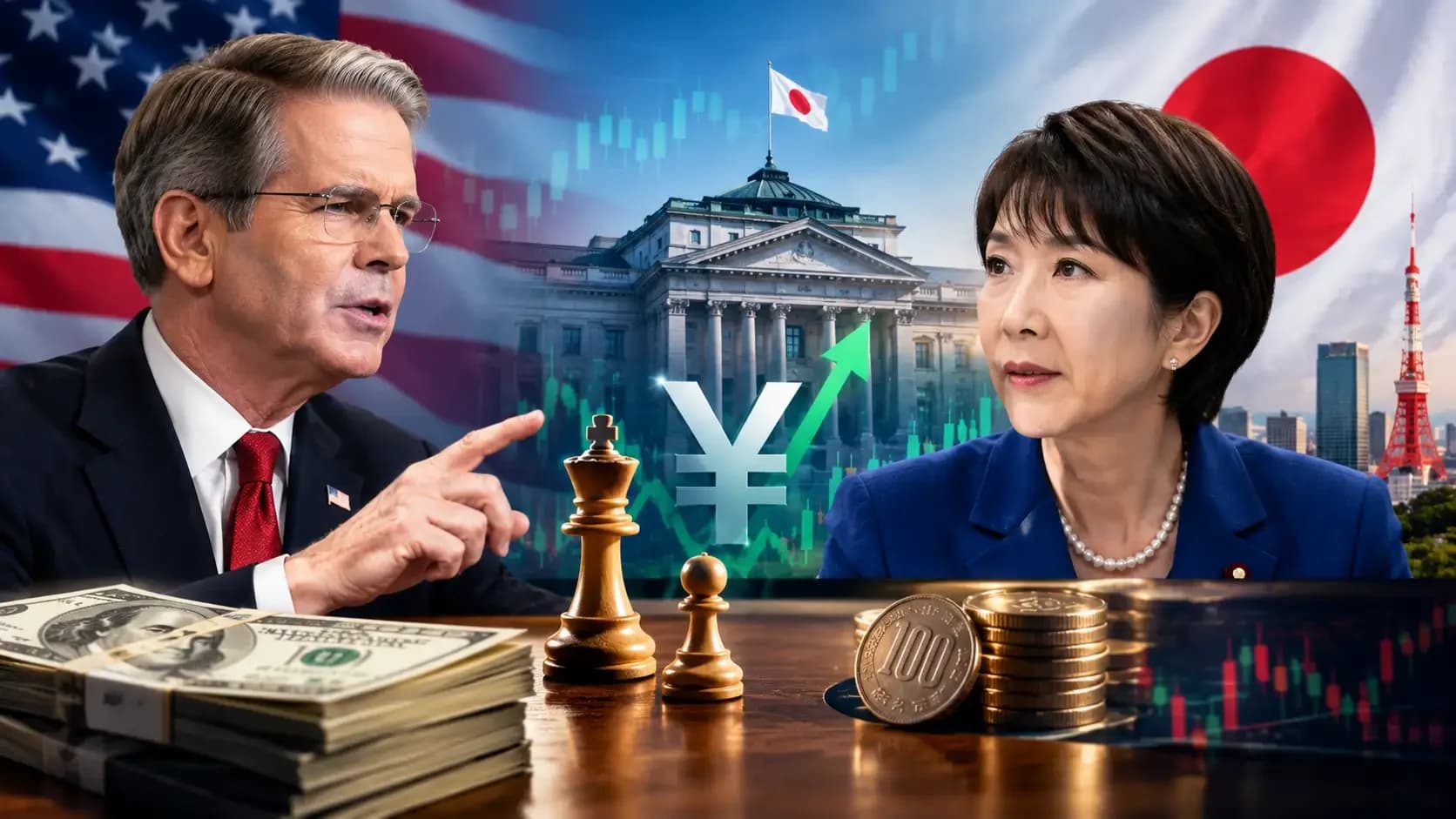
Japan's government has set an ambitious target of over 1% real economic growth annually, more than doubling the country's recent average of 0.4% annual growth over the past five years. According to Reuters, the draft policy framework aims to achieve sustained real economic growth of more than 1% "as early as possible" while maintaining nominal growth above 3%, reflecting Prime Minister Sanae Takaichi's push to revive the economy through stronger domestic growth. The blueprint calls for a decisive shift away from years of underinvestment by encouraging greater collaboration between the public and private sectors. Combined public and private investment is projected to exceed 370 trillion yen (about $2.29 trillion) through fiscal 2040, with a focus on strategic industries including AI and chips.
The government's growth strategy includes raising annual private-sector capital expenditure to around 230 trillion yen by fiscal 2040 while expanding Japan's economy to nearly 1,100 trillion yen. As reported by Reuters, the draft emphasizes that appropriate monetary policy will be crucial to achieving a strong economy, signaling the government's preference for maintaining low borrowing costs even as it could create tensions with the central bank over future policy decisions. The policy framework reiterates Japan's commitment to fiscal discipline, with the government intending to steadily reduce the debt-to-GDP ratio while pursuing economic expansion, treating the primary fiscal balance as a medium-term indicator to be managed in line with debt reduction goals.
Japan's government has released a draft of its long-term economic blueprint that explicitly calls for monetary policy to support private demand, signaling potential policy tensions with the Bank of Japan. According to Reuters, the government is expected to address the importance of "appropriate monetary policy" in its basic policy framework for economic and fiscal management to be released next month, as reported by Kyodo News. The draft urges the Bank of Japan to align its decisions with Prime Minister Sanae Takaichi's drive to reflate growth, citing legal provisions requiring the central bank to coordinate policy with the government. This unusually explicit language breaks from the customary practice of keeping monetary policy language deliberately vague, typically urging only appropriate guidance to achieve price stability. The blueprint, to be finalized in July, represents the first economic blueprint compiled by Takaichi, who has previously voiced reservations over the BOJ's efforts to wean the economy off deflation-era stimulus.
Japanese government bond yields have risen as inflation concerns intensified after local media reported the government may push the Bank of Japan to align its decisions with Prime Minister Sanae Takaichi's pro-growth economic agenda. According to The Economic Times, the move is aimed at reining in the central bank's willingness to keep raising interest rates, potentially slowing interest rate hikes. As reported by Kyodo News, reports suggest the government might steer the Bank of Japan towards its pro-growth economic plans, potentially slowing interest rate hikes, which has sparked concerns that the central bank could lag in tackling rising prices. "This has raised concerns that the BOJ will be behind in raising interest rates to cope with inflation," said Yuki Kimura, a bond strategist at Okasan Securities. The 20-year JGB yield reached 3.57%, the highest in 40 years, with the 5-year bond auction on June 23 drawing relatively weak demand with a bid-to-cover ratio of 3.11.
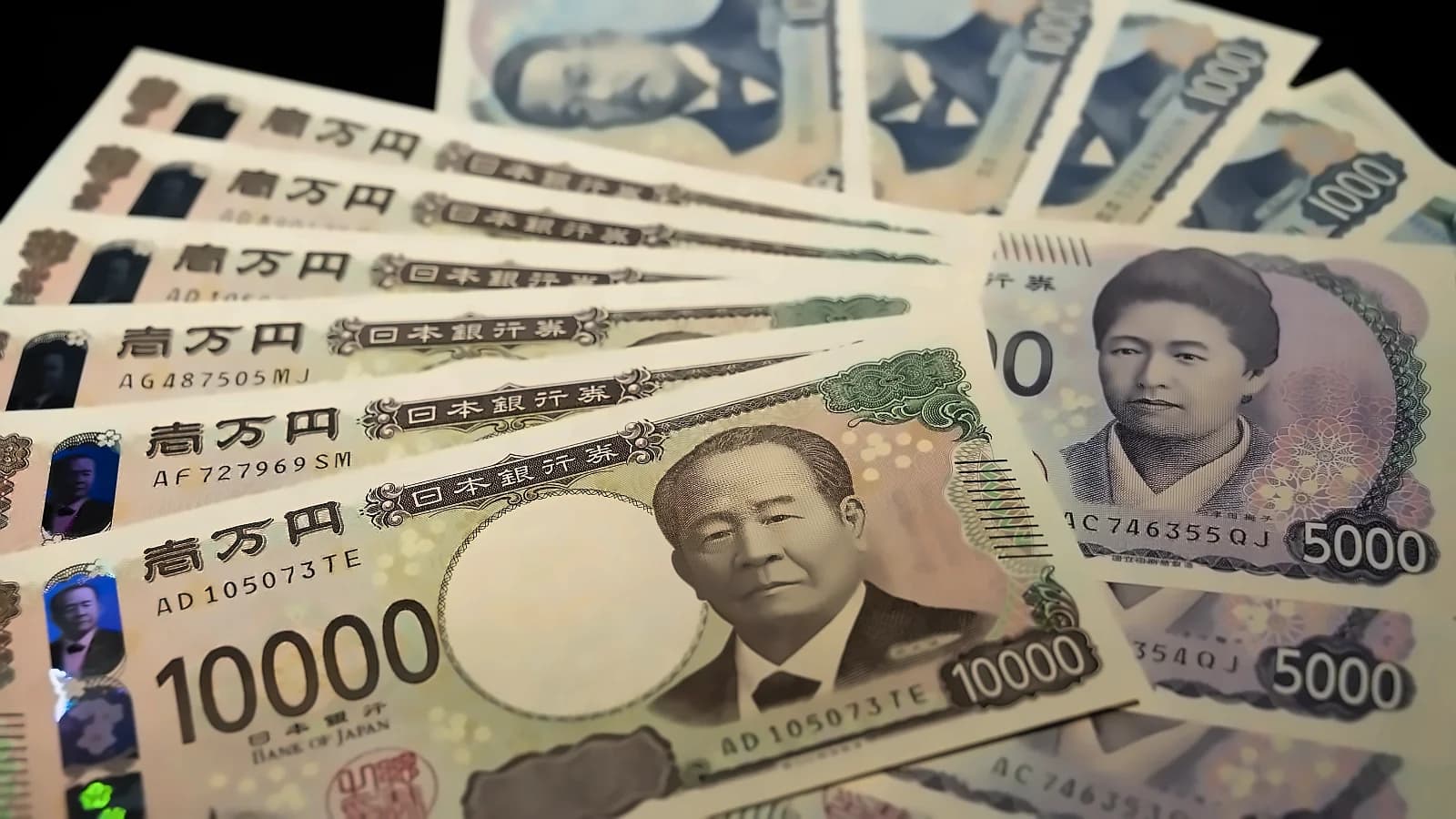
Market participants are responding to the policy tensions with mixed signals, as the benchmark 10-year government bond yield slid to 2.625% following the blueprint report, offsetting hawkish remarks from BOJ board member Naoki Tamura. The yen hovered near a four-decade low, trading at 161.73 per dollar, while Japan's Nikkei share average jumped more than 3.5%. The current market environment reflects a fundamental shift where the old regime - where central banks absorbed unlimited sovereign supply at near-zero cost - is over. The Bank of Japan's 1% policy rate is still modest by historical standards, but the direction of travel matters significantly, with inflation likely to run structurally above the traditional 2% targets, averaging closer to 3-4% over the coming decade. The rising borrowing costs meeting structural deficits creates the engine of persistent inflation that investors must now navigate, with the question being which companies can grow their cash flows faster than the cost of capital eats them alive.