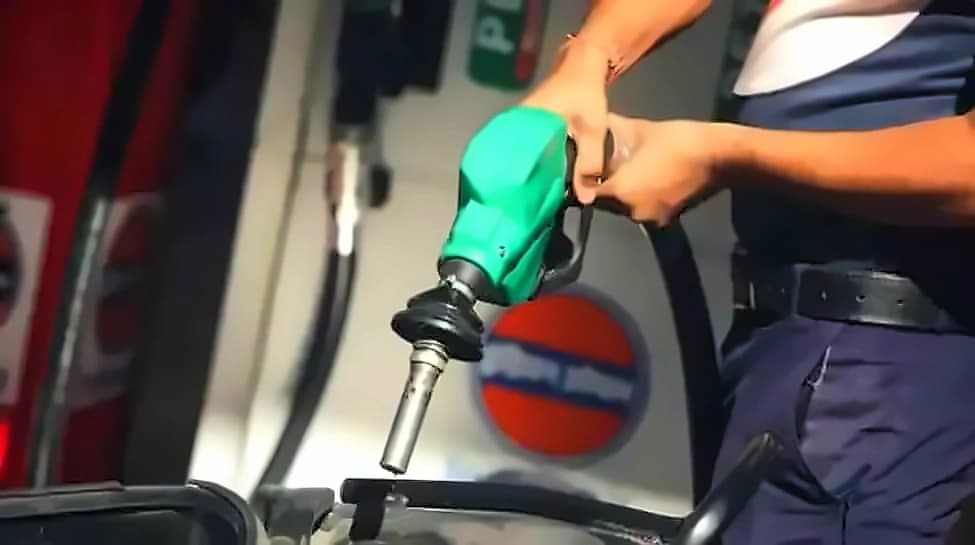
The Consumer Price Index (CPI) for petrol and diesel has remained remarkably low throughout the new CPI series, with inflation rates for petrol at just 0.07 per cent and zero per cent in April 2024, according to reports from Business Standard. These low inflation rates persisted until April 2026, with both fuels maintaining rates below 1 per cent until that month. The petrol index remained sub-100 points in every month of 2025 and 2026, meaning petrol prices were below the 2024 base year levels throughout this period.
Recent fuel price hikes are now expected to push petrol inflation above 2024 base-year levels, marking a significant shift from the prolonged period of muted CPI readings. As reported by Business Standard, the recent hikes in petrol are all set to move the index for the fuel above 100 points in May. The diesel situation shows similar trends, with the CPI remaining sub-100 points in the first three months of 2025 before slightly moving above 100 points but staying around 100.06 points thereafter. Despite diesel's index being above 100 points in April 2026, the inflation rate remained zero per cent during that period.
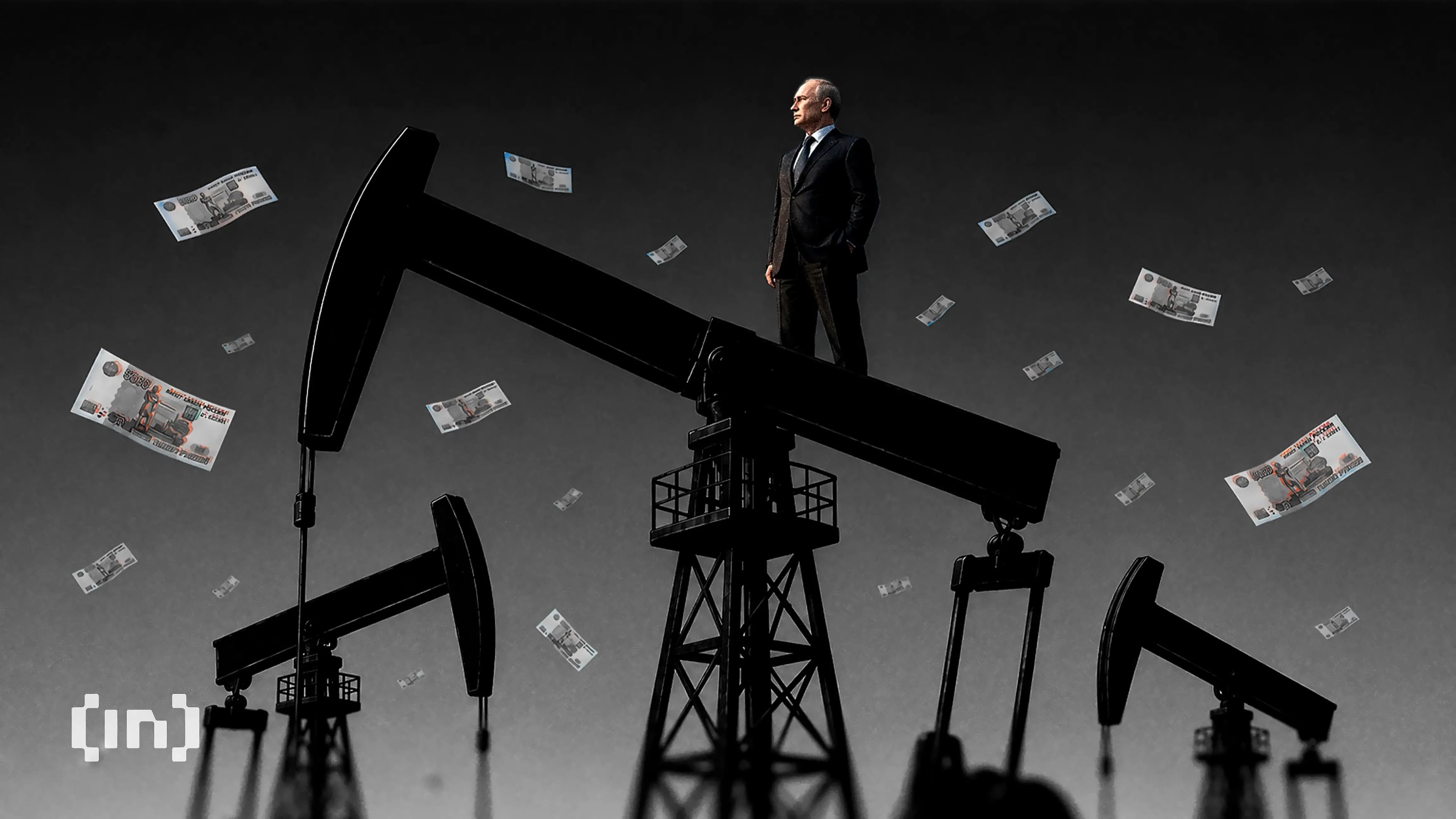
The fuel price increases are part of a broader inflationary trend that has caught markets off guard. April CPI came in at 3.8% - the hottest reading in nearly three years, with energy alone accounting for roughly 40% of the increase, according to recent market analysis. This energy shock stems from the conflict in the Middle East and disruption around the Strait of Hormuz, creating supply-driven inflation that central banks struggle to contain. The 10-year Treasury yield is pressing the upper end of its 2026 range around 4.55-4.62%, while the 30-year has punched above 5%, reflecting the market's shift from expecting rate cuts to pricing meaningful rate hike probabilities.

This development represents a fundamental shift in fuel pricing dynamics, moving away from the extended period of deflationary conditions that characterized the new CPI series. With a hawkish-leaning Fed under new leadership and a deeply divided FOMC, the market has shifted from asking when the next rate cut comes to pricing a meaningful probability of tightening before year-end. The recent fuel price adjustments are expected to push both petrol and diesel inflation rates above their respective 2024 base-year levels, marking the first time these fuels will exceed the benchmark in the current inflation measurement framework.