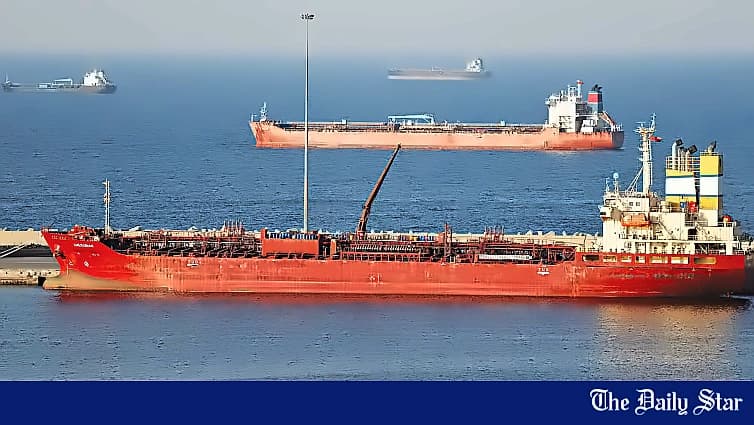
Iran's foreign trade has suffered a sharp contraction in the first month of war with the United States and Israel, with newly released customs data showing the severity of the economic impact. Non-oil trade collapsed in the final month of the previous Iranian fiscal year (February 21–March 22), falling to just $6.4 billion—down 30% from the previous month and 50% from a year earlier. The plunge coincided with military escalation that began on February 28, when US and Israel attacked Iran and Iran retaliated with strikes against Arab neighbours across the Persian Gulf. The conflict has disrupted shipping routes and strained regional trade links, with the fallout especially visible in trade with Iran's main commercial partners. The United Arab Emirates, Iran's second-largest trading partner, reportedly suspended trade with Tehran in early March, while Chinese customs data show China's non-oil trade with Iran fell to just $184 million in March, compared with more than $907 million in the same month last year—roughly one-fifth of its level a year earlier.
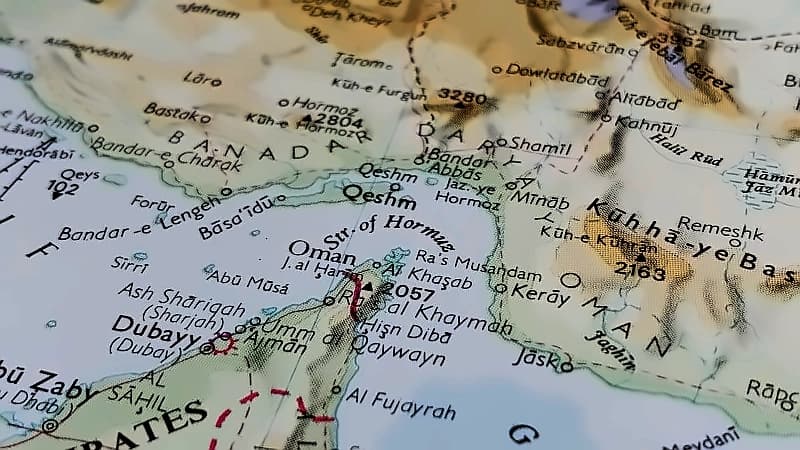
In the eight weeks since the Iran war started, the conflict has driven gas prices above $4 a gallon, strained homebuyers and pushed inflation to its highest level in nearly two years. As of Friday, the average cost for a gallon of gas in the US was $4.06, according to AAA, with prices up over $1 per gallon since the conflict began. Mark Zandi, chief economist at Moody's Analytics, told CBS News: "I think the damage has already been done, in part because there's no going back on oil prices, at least not any time in the near future." The war has disrupted traffic through the Strait of Hormuz, a strategic waterway through which one-fifth of the world's oil supply normally flows. Oil prices have jumped as a result, with Brent crude trading at $105 a barrel, up 44% since before the war started.

Rising energy costs are now feeding into broader inflationary pressures, limiting central banks' ability to ease monetary policy. Economists told CBS News they expect inflation to come in hot in April and remain elevated throughout 2026. The Consumer Price Index reached 3.3% on an annual basis last month, the highest level since May 2024, driven by a jump in energy prices. Scott Lincicome, vice president of general economics at the Cato Institute, noted that the Personal Consumption Expenditures price Index could hit 4% by the end of the year, double the Federal Reserve's target rate of 2%. The Philippines recently raised interest rates, while policymakers in countries including Turkey, Poland, Hungary, the Czech Republic, India and South Africa have adopted a more hawkish tone due to concerns about secondary inflation effects.
The financial pinch from higher energy prices could prompt consumers to pull back, potentially creating headwinds for GDP growth. EY-Parthenon chief economist Gregory Daco projects the war could drag GDP down by 0.3 percentage points this year, with GDP growing by 1.8% for the year - a slowdown from the 2.1% pace recorded in 2025. Cutbacks from consumers are "really the key channel through which we're expecting the drag on economic activity to materialize," said Lydia Boussour, also with EY-Parthenon. Disruptions to fertilizer production and supply could put pressure on food prices, as fertilizer is produced using natural gas constrained due to the war. The International Energy Agency predicted that the conflict in the Middle East will keep global natural gas supplies tight for two years.
At the same time, some commodity-producing countries farther from the conflict zone have benefited from higher oil prices. Nations such as Brazil and Kazakhstan have seen currency appreciation, with their currencies strengthening more than 9% year-to-date. Emerging market stocks (.MSCIEF) have bounced back to record highs, though tech-heavy markets such as South Korea and Taiwan have added to the boost. The heavy reliance of many Asian economies on energy shipments through the Strait of Hormuz leaves them particularly exposed to disruptions, with emerging Asian markets particularly at risk as over 50% of crude oil imports and more than a third of gas imports usually pass through the Strait of Hormuz, according to Sada News.