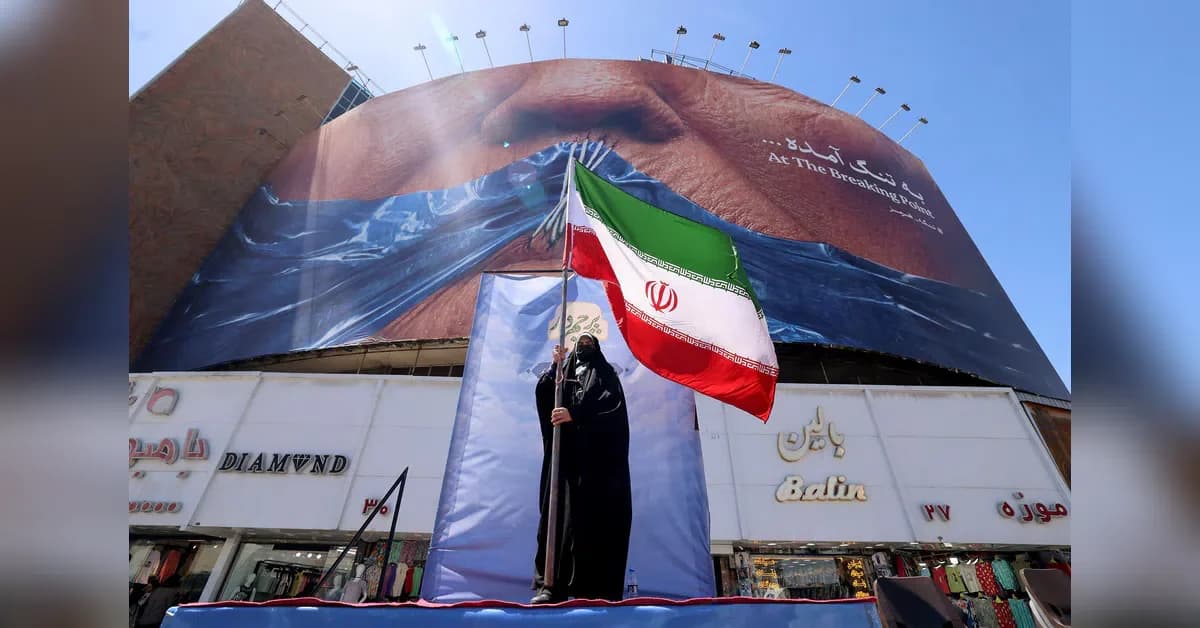
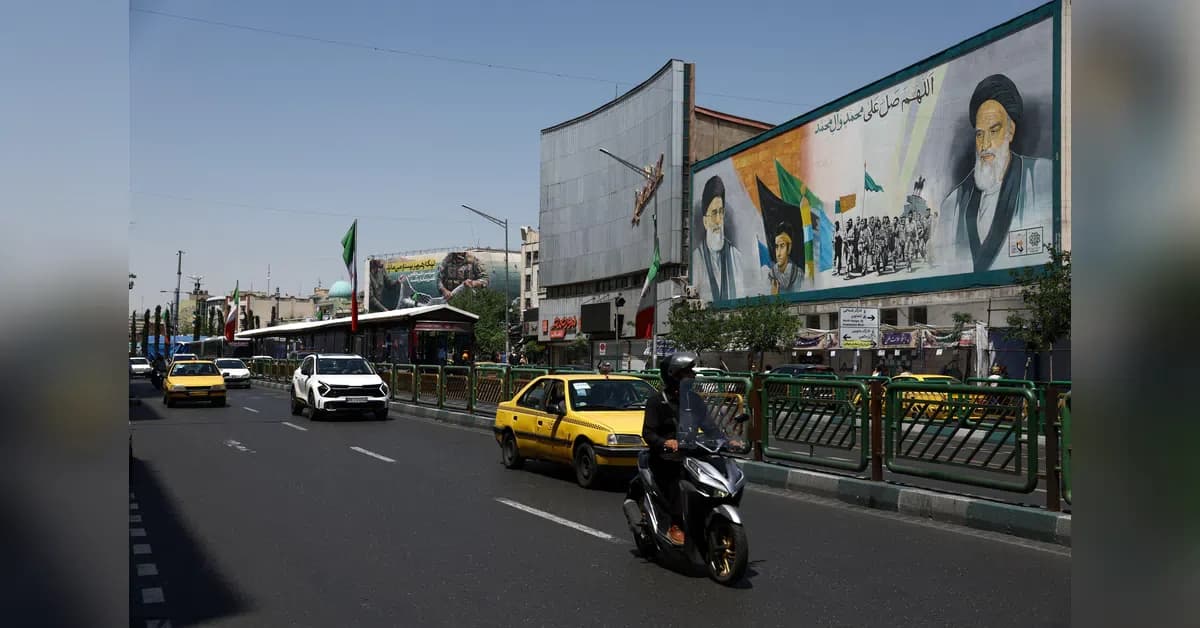
Iran's President Masoud Pezeshkian signed a decree on May 25 to restore international internet access after nearly 90 days of blackout, according to state media reports. As reported by the Iranian Ministry of Communications' press office, the presidential decree signals a possible return to global internet connectivity. However, the mechanism for implementation and the exact timeline for restoring global access remained unknown. According to monitoring organization NetBlocks, as of Monday most Iranians did not have access to the global network for about 87 days, while only a few could use expensive and advanced VPN networks. The restoration comes as international tensions escalate with US and Israeli strikes against Iran on February 28 and ongoing military operations in the region.
The restoration will be carried out in a 'smart and law-abiding' manner, as previously outlined by Iran's Special Task Force for the Regulation and Governance of Cyberspace. The task force, established by President Masoud Pezeshkian and chaired by First Vice President Mohammad Reza Aref, oversees sensitive national policy in the digital space. However, officials have not yet announced a clear rollout timeline or technical plan for the implementation of this presidential decree. The decision has been approved by the president but hasn't yet been formally communicated to the Ministry of Information and Communications Technology for implementation. The timing of this announcement coincides with ongoing diplomatic talks in Doha between Iranian and US delegations focused on ending the regional conflict.
The internet blackout began on January 8 in response to nationwide protests, with connections partially restored in February before a new blockade was imposed after the start of US and Israeli strikes against Iran on February 28. Under normal conditions, access to the global internet in Iran remained tightly controlled through the censorship of many sites, while authorities increasingly rely on an internal network to provide services without using the World Wide Web, notably for schools following online lessons. The new decision could mean a gradual return to online everyday life, but the exact timelines and scale of restoration remain in question as authorities continue to balance security with the population's needs regarding educational, economic, and social aspects of network access. The isolation has particularly impacted transparency around executions and conditions for jailed critics, dissidents and tourists, according to NetBlocks reports.

During both blackouts, authorities routed users onto a localized network walled off from the internet beyond the nation's borders. Even before this year's disruptions, Iran enforced extensive internet restrictions, blocking a range of websites, social media platforms, and messaging apps. Millions of people inside Iran have relied on virtual private networks or been steered toward domestic, state-controlled alternatives. The current blackout has prompted global concern over wartime censorship, information access, and digital rights in the region, according to NetBlocks reports. The isolation measures have been particularly challenging for Iranians seeking to access international news and communication platforms during the ongoing regional conflict.