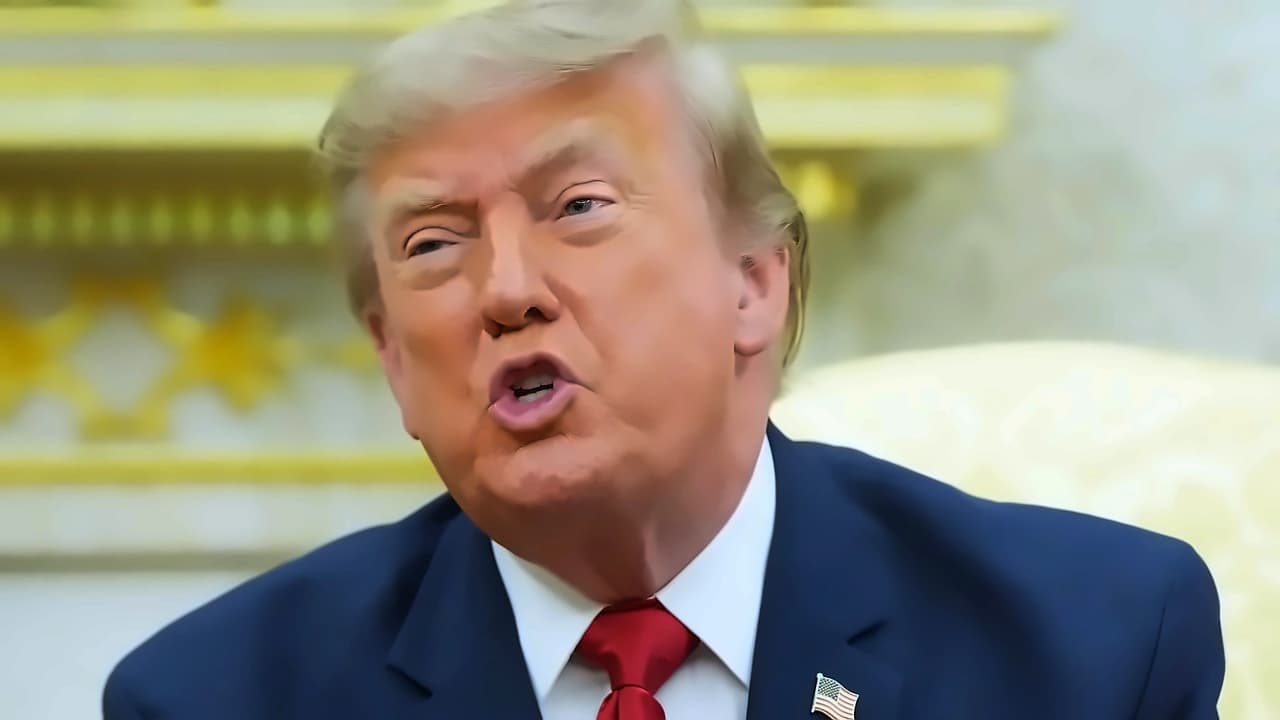
Iran has expanded its restrictions on international media operations, directing foreign news outlets to restrict content distribution to Israeli media. According to reports from Business Standard, a directive issued Tuesday to international news outlets based in Tehran specified mandatory language requirements for all submitted content, including photos, videos, reports, and other media productions. The instructions were sent to multiple news organisations including The Associated Press and came from the Ministry of Culture and Islamic Guidance, which oversees media activity. As translated from Farsi, the directive noted that 'responsibility for failing to comply with this directive rests with the submitting media outlet'. In a statement, Associated Press spokesman Patrick Maks confirmed that 'AP, like all international news media operating inside Iran, are subject to their new restriction' and that their team continues to produce strong, independent journalism under challenging conditions. The new restrictions come three months after the United States and Israel launched attacks on Iran that have grown into a continuing, occasionally flaring war in the region.
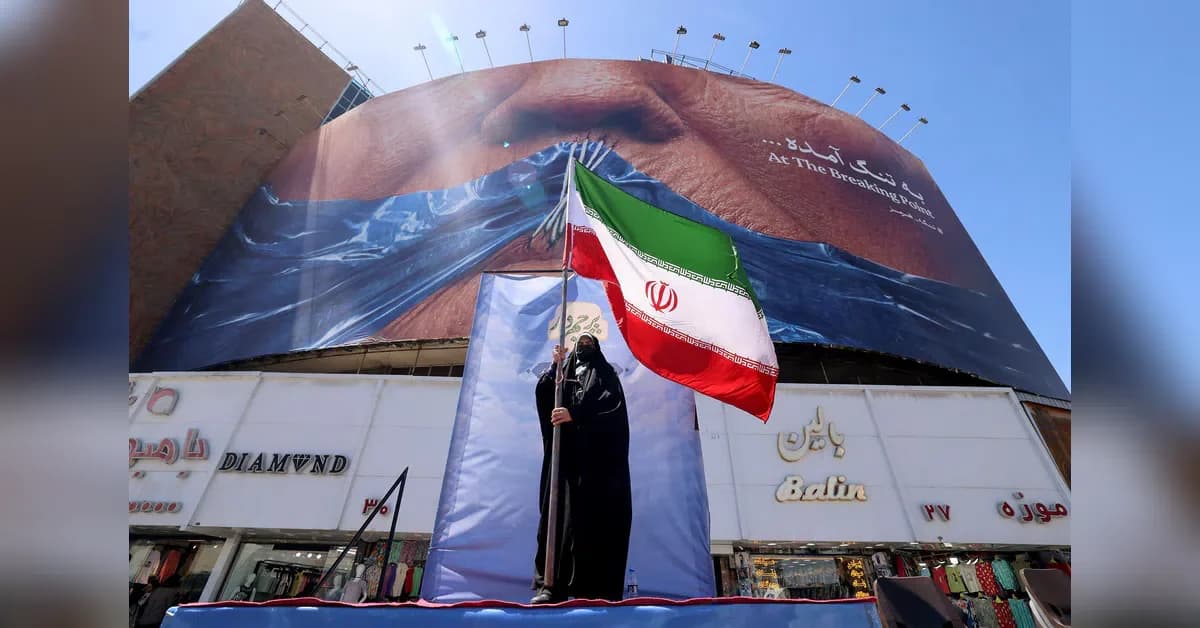
The new directive places responsibility for compliance directly on submitting media outlets. As reported by Business Standard, the instructions noted that responsibility for failing to comply with this directive rests with the submitting media outlet. The required text for news organisations would state that the content cannot be used by Israeli media and Farsi-language TV stations based outside Iran. Under the new measures, international news outlets are required to say that the content in question cannot be used by Israeli media, and also Farsi-language TV stations based outside Iran. This represents an escalation from previous restrictions that have been in place for years, with the Ministry of Culture and Islamic Guidance directly overseeing media activity in the country.
The new restrictions come three months after the United States and Israel launched attacks on Iran that have grown into a continuing, occasionally flaring war in the region. According to Business Standard, President Donald Trump has insisted a peace deal is close on the 88th day of the war, even as Iran on Tuesday denounced the most recent US strikes as a sign of 'bad faith and unreliability'. The timing of these media restrictions coincides with the ongoing regional tensions and military operations, with Iranians beginning to regain internet access on Wednesday after authorities ended a monthslong shutdown, though users reported slow and spotty service with heavily restricted apps like YouTube and Instagram.
For years, Iran has maintained strict control over international media operations, banning international media from sharing some material with BBC Persian, VOA Persian, Manoto TV and Iran International at the risk of having their operations shut down in the country. As reported by Business Standard, despite these restrictions, many Farsi-language media outlets abroad still access images and videos released by Iranian state media through various websites and messaging applications. The Washington-based group Freedom House ranks Iran as not having a free and independent media, noting that all television channels are controlled by hard-liners within its theocracy and those working in other outlets face harassment and arrest. Satellite dishes are banned, though many have them to watch Farsi-language channels broadcasting from abroad, while access to the internet outside of the country has been shut off for weeks.