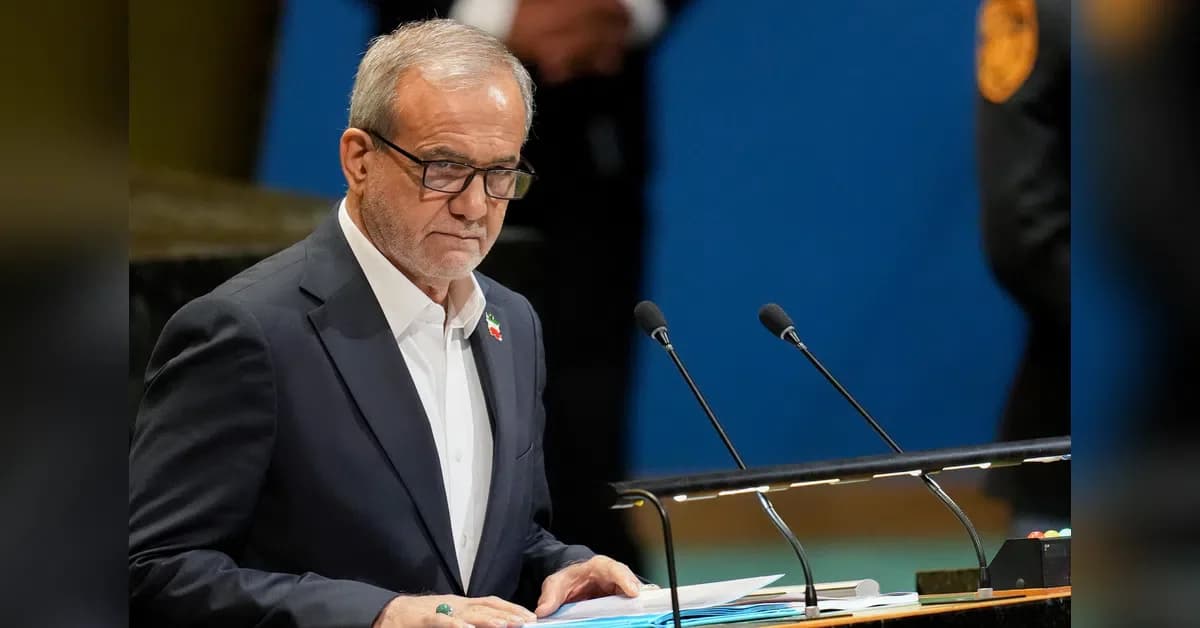
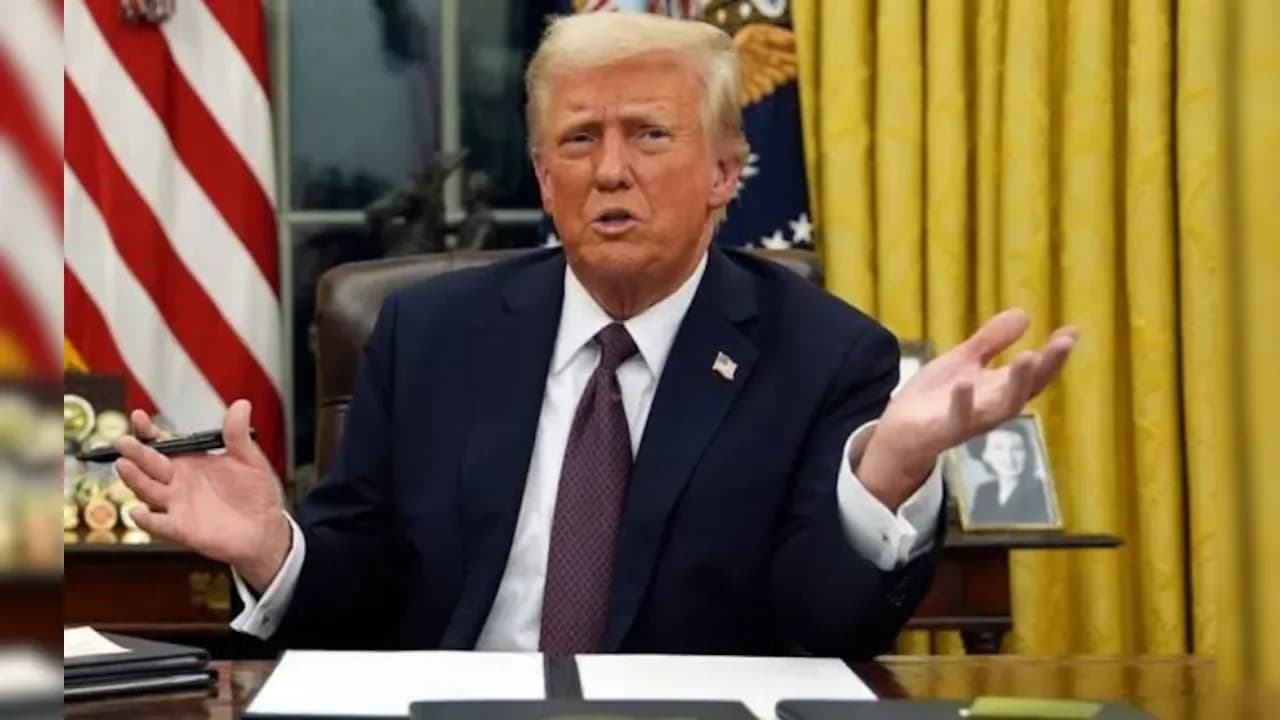
Iran's parliament has now voted on the €50 million ($58 million) bounty bill targeting US President Donald Trump, Israeli Prime Minister Benjamin Netanyahu, and US Central Command (CENTCOM) leader Admiral Brad Cooper. According to the latest reports, the legislation titled 'Reciprocal action by military and security forces of the Islamic Republic' has successfully cleared committee review and is now heading to a full parliamentary vote. Lawmaker Ebrahim Azizi, who chairs the parliament's National Security and Foreign Policy Committee, announced the proposal on Iranian state television, framing it as retaliation for the February 28 strikes that killed former Supreme Leader Ayatollah Ali Khamenei.
The bill's language has become more aggressive, with lawmakers now describing the named officials as 'gambler' Trump' and 'child-killer' Netanyahu. Azizi told state TV that the named officials must be 'subjected to reciprocal action' and described the act as a religious duty for any 'Muslim or free person.' As reported by multiple sources, Azizi stated that 'Just as our Imam was martyred, the president of the United States must be dealt with by any Muslim or free person.' Parliamentarian Mahmoud Nabavian confirmed the bill is heading to a vote and warned of a 'devastating' response if Iran's new Supreme Leader, Ayatollah Mojtaba Khamenei, is targeted next. The legislation represents a formalization of threats previously circulated by hacking group Handala, which separately claimed to allocate $50 million for the 'elimination' of Trump and Netanyahu.
Iran is among the world's most heavily sanctioned economies, raising questions about how a state-backed reward of this size would actually be delivered. According to the Jerusalem Post, Tehran has previously leaned on alternative settlement channels, including digital assets, to move value outside the dollar system. The 'Blood Covenant' group, which researchers say operates under regime tolerance, reportedly raised more than $40 million in pledged bounties on Trump after US strikes on Iranian nuclear sites last June, though the funding mechanics of that effort have not been fully disclosed. The bill's passage comes as the United States State Department announced a $15 million reward for information disrupting Kimia Part Sivan Company's financial networks, which the department identifies as the drone-production arm of the IRGC Quds Force.
Despite the aggressive parliamentary rhetoric, Iranian Foreign Ministry spokesman Esmaeil Baghaei stated that indirect negotiations with Washington continue, with peace talks brokered through Pakistan progressing through multiple proposal exchanges. This contrasts with Trump's recent actions, as reported by multiple sources, where he apparently stopped an already prepared military strike against Iran at the last minute. The tensions between Washington and Tehran are reaching a new climax, with the law representing one of several pieces of legislation aimed at formalizing the regime's threats against Western and Israeli leaders.