The European Union Aviation Safety Agency (EASA) has issued a comprehensive safety advisory directing airlines to avoid flying through the airspace of Iran, Iraq and Lebanon until August 31. According to reports from Reuters, the advisory comes amid mounting concerns that renewed tensions between the United States and Iran could trigger further military escalation, prompting fresh caution across the global aviation industry. EASA published three separate Conflict Zone Information Bulletins on July 8 for Tehran FIR, Baghdad FIR and Beirut FIR, with each bulletin remaining active until August 31 unless reviewed earlier. The directive was issued over concerns about the fragile ceasefire and the risk of further military escalation. As per Anadolu, EASA revised the EU conflict zone advisories in coordination with the European Commission and EU member states in response to the latest regional developments.
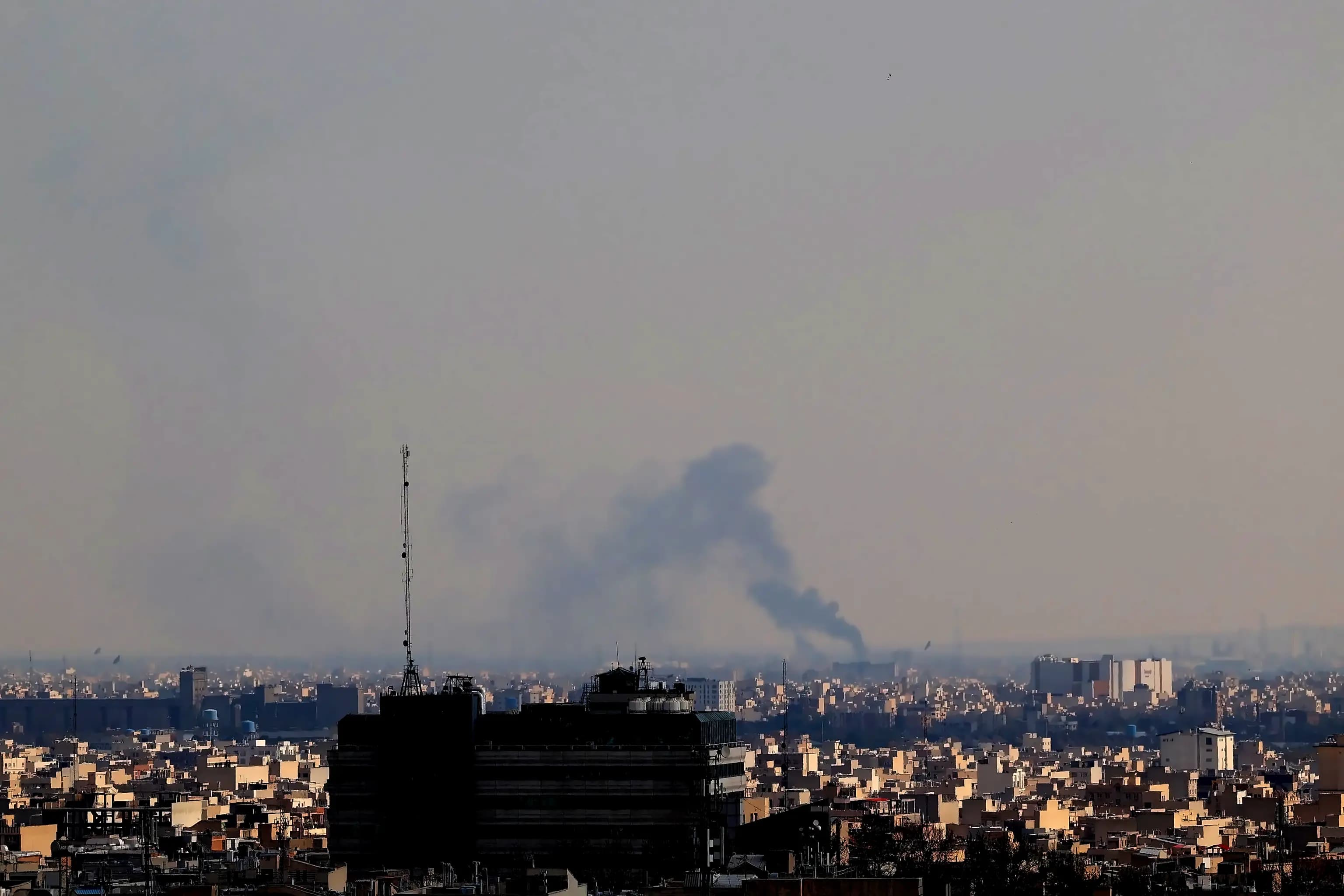
The EASA's decision was based on the 'ongoing high level of tensions and the potential for further military action', as reported by Reuters. The agency warned that if the current ceasefire were to collapse, Iranian airspace could face 'imminent threats,' making civilian flight operations vulnerable. EASA records a fragile US-Iran ceasefire and warns of imminent threats if the truce fails, with the agency flagging a higher risk of misidentification because Iran keeps its air force and air defence units on elevated alert. The warning comes after US President Donald Trump declared the Iran ceasefire 'over' following renewed clashes between Washington and Tehran. The escalation followed attacks on vessels near the Strait of Hormuz, triggering US strikes on Iranian targets and Iran's claims of retaliatory attacks on US military facilities in Bahrain and Kuwait. As per Moneycontrol, the latest warning follows a sharp escalation in hostilities between the US and Iran, with Iran's Revolutionary Guards saying they targeted US military sites in Bahrain and Kuwait after US forces carried out strikes on Iran.
As part of the latest advisory, the EASA withdrew its earlier wider regional bulletin that had urged airlines to exercise caution while operating in the airspace of Bahrain, Kuwait, Israel, Jordan, Qatar, Oman, the UAE and Saudi Arabia. However, according to Reuters, the agency did not immediately clarify whether fresh guidance for those countries would be issued. As per Anadolu, the Integrated EU Aviation Security Risk Assessment Group decided not to extend the existing Conflict Zone Information Bulletin covering the Middle East and the Gulf, which expires on July 8. The revision follows ceasefire agreements and what EASA described as an overall reduction in short-term tensions, but the agency maintained stricter country-specific warnings where risks remain elevated. The advisory is expected to influence airline route planning, with carriers likely to continue avoiding high-risk air corridors across the Middle East until the regional security situation improves.
EASA instructs operators not to enter Tehran FIR at any altitude or flight level, with the agency applying the same hard restriction to Baghdad FIR and Beirut FIR at all altitudes. Carriers operating under EASA rules must continue monitoring aeronautical publications, national guidance and short-note restrictions. With Iranian and Iraqi airspace effectively off-limits, airlines are relying on two longer alternative routes — Northern route (through the Caucasus and Central Asia, south of the already restricted Ukrainian airspace) and Southern route (via Egypt, Saudi Arabia, Oman and the Arabian Sea). As more airlines use these corridors, air traffic is becoming concentrated in a smaller number of safe routes, increasing congestion and operational complexity. Indian carriers are among the worst affected because many of their Europe-bound flights typically pass through West Asian airspace. The rerouting has increased flight times by around 90 to 120 minutes on several long-haul services, particularly flights from Delhi and Mumbai to destinations such as London, Frankfurt and Paris. The longer journeys have also disrupted airline schedules and aircraft rotations, with airlines facing higher war-risk insurance premiums for operating near conflict zones.
The detours are significantly increasing fuel consumption, one of the biggest expenses for airlines. Jet fuel accounts for nearly 40% of an airline's operating costs, and a rerouted widebody aircraft can consume an estimated 5,000-6,000 additional gallons of fuel on a single flight, adding tens of thousands of dollars to operating expenses. Airlines are already adjusting their operations to offset higher costs, with some carriers reducing international frequencies to better manage aircraft utilisation. Fares on India-Europe routes have risen by an estimated 5% to 30%, while flights to parts of West Asia have also seen temporary spikes in ticket prices. Passengers may also experience longer flight times, schedule changes, delays, extended layovers and missed onward connections as airlines adapt to the revised flight paths. The European Commission, EASA and member states will continue to closely monitor the situation to assess evolving threats and risks for EU aircraft operators.