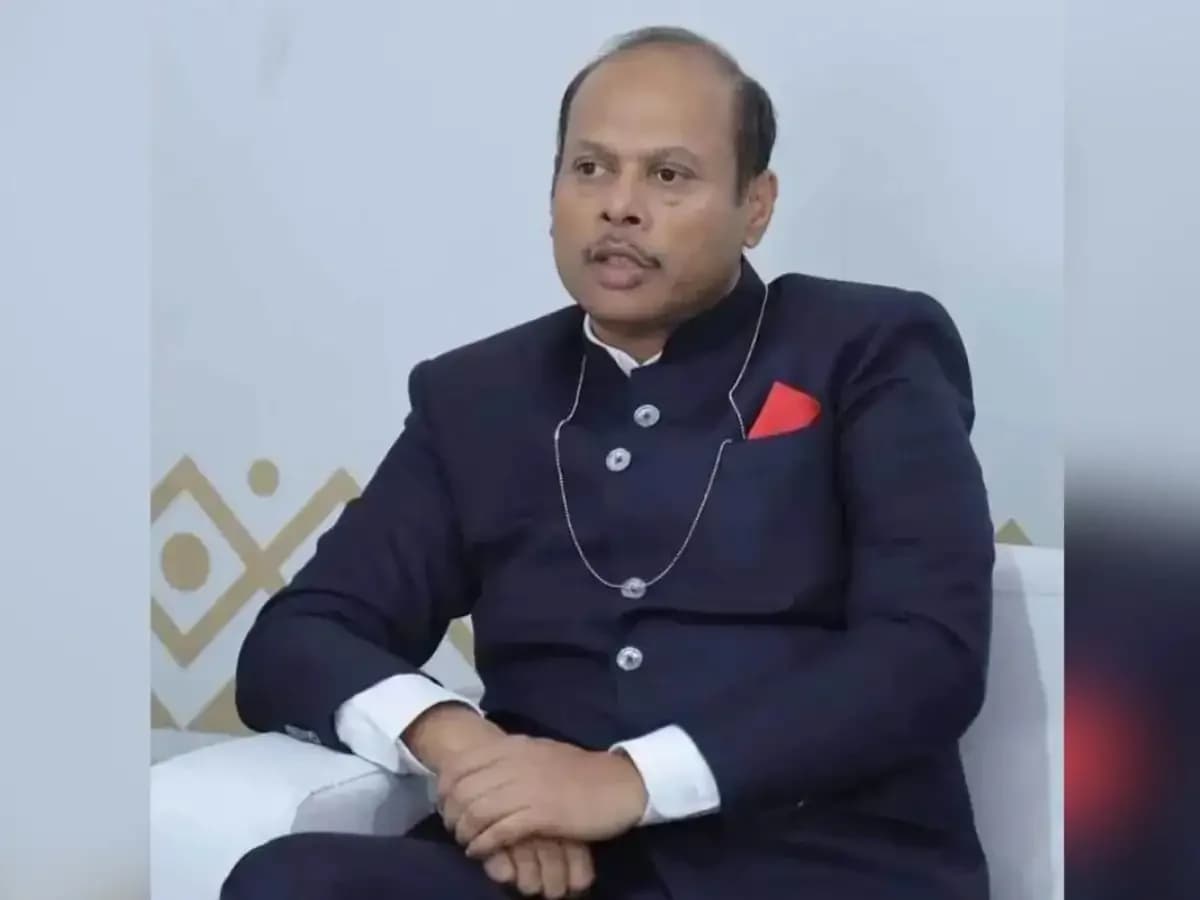
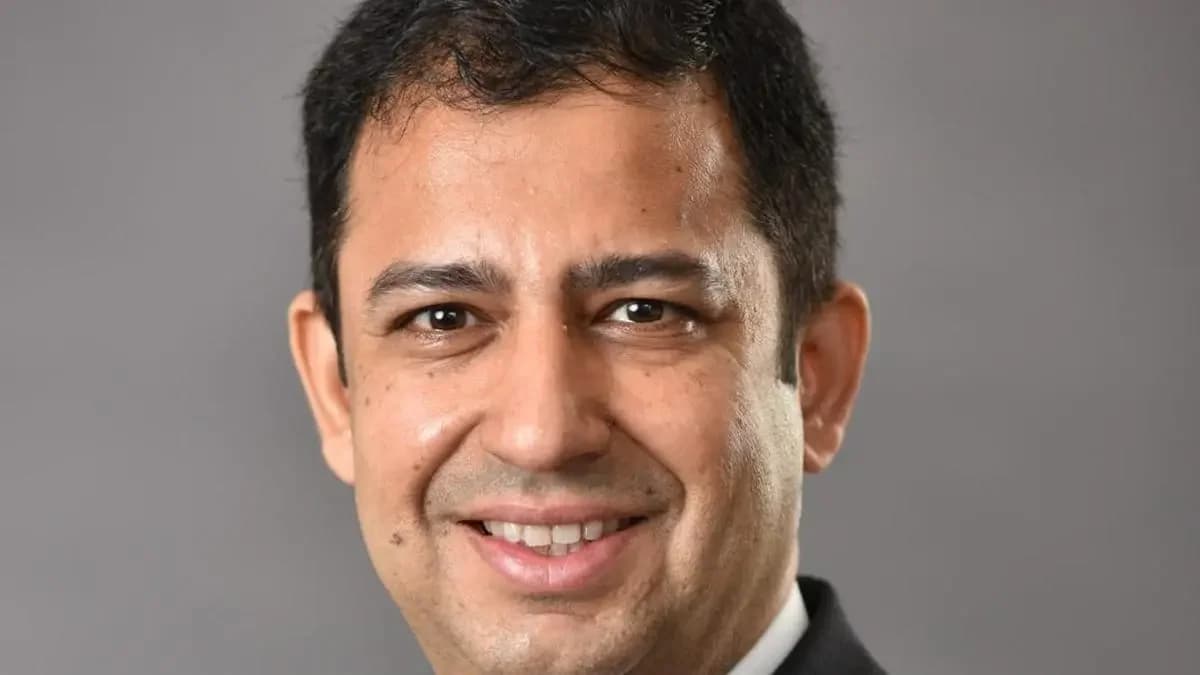
The Financial Action Task Force (FATF) has elected Vivek Aggarwal, Secretary, Ministry of Culture, Government of India, as its Vice-President for the term from July 2026 to June 2027. According to the latest reports from PTI, this appointment marks the first time an Indian official has been elected to the apex leadership of the FATF, the inter-governmental body established by the G7 to combat money laundering, terrorist financing and other threats to the international financial system. The decision was taken at the FATF Plenary held in Paris from June 17 to 19, with members approving the priorities of the FATF under the incoming UK Presidency and appointing Mr. Vivek Aggarwal of India as the incoming Vice-President. Aggarwal will assume the role on July 1, 2026 and succeed Giles Thomson of the United Kingdom, who has served as FATF Vice-President since July 1, 2025 and is set to assume the FATF Presidency from July 2026. As reported by The Hindu BusinessLine, the FATF Plenary selected Vivek Aggarwal from India to be the next FATF Vice President, with the organisation's official outcome statement confirming this historic milestone.
As reported by PTI, this appointment places an Indian official at the helm of the premier global body standardising the fight against money laundering and terrorist financing. The Ministry of Culture stated that this landmark appointment reflects the immense trust and credibility India has built across more than 200 jurisdictions, highlighting the nation's proactive role in shaping global policy on emerging risks like digital payments and virtual assets. On his appointment, Aggarwal said, "This appointment is a recognition of India's collective effort and of the strength of our anti-money laundering and counter-terrorist financing framework. I am deeply honoured to serve, and look forward to working with the FATF Global Network to keep the international financial system safe, inclusive and resilient." The Ministry of External Affairs described the development as a major achievement for India, saying the appointment underscores the country's commitment to a zero-tolerance approach towards terrorism and its efforts to combat terrorist financing and illicit financial networks. The MEA emphasized that "as India continues to champion a zero-tolerance policy against terrorism, this leadership role reinforces our relentless focus on combating global terrorist financing networks and dismantling illicit financial systems."
According to PTI, Aggarwal is a 1994-batch Indian Administrative Service (IAS) officer of the Madhya Pradesh cadre. He has held several positions in the Union and state governments, including Additional Secretary in the Department of Revenue and Director of the Financial Intelligence Unit-India (FIU-IND), where he led Indian delegations to FATF meetings. He also served as chief executive officer of the PM-KISAN scheme and was involved in rolling out the programme across the country, earlier serving as District Collector of Indore. Notably, Aggarwal was serving as an additional secretary in the Union Finance Ministry when India's last mutual evaluation report was published in 2024. In that report, the FATF lauded India saying its assessment of the country's measures to tackle illicit finance concludes that it has implemented an anti-money laundering and counter-terrorist financing (AML/CFT) framework that is achieving good results. His extensive experience includes serving as head of India's delegation to the FATF and Director of the Financial Intelligence Unit-India (FIU-IND), positions that have equipped him with the expertise to advance the FATF's mandate of safeguarding the integrity of the global financial system. In April 2025, he was appointed as Secretary, Ministry of Culture, and in 2025, Aggarwal was promoted to the Chief Secretary grade within the Madhya Pradesh cadre, reflecting his seniority and distinguished administrative career.
As reported by PTI, the June plenary approved priorities for the incoming UK Presidency and adopted changes to Recommendation 6 relating to humanitarian exemptions under targeted financial sanctions. The body discussed issues related to public-private partnerships, payment transparency, terrorist financing through social media, underground banking, virtual assets and decentralised finance (DeFi). The plenary added Bosnia and Herzegovina and Iraq to its grey list (jurisdictions under increased monitoring), while removing Algeria and Namibia from the list of jurisdictions under increased monitoring, commonly known as the 'grey list', and adopted mutual evaluation reports for Canada and Türkiye, which will be published separately. According to the FATF, the organisation's recommendations form the basis of anti-money laundering and counter-terror financing frameworks adopted by jurisdictions across the world. The FATF added Bosnia and Herzegovina and Iraq to its grey list while removing Algeria and Namibia after completing agreed action plans, with the FATF removing Algeria and Namibia from its list of jurisdictions under increased monitoring following successful on-site visits and updated its statements on jurisdictions under increased monitoring, as well as statements on jurisdictions subject to a call for action.
According to PTI, the FATF is the premier international body that monitors money laundering and terrorist financing worldwide. The FATF is a Paris-based intergovernmental body established by the G7 in 1989 that sets international standards to combat money laundering, terrorist financing and proliferation financing. India became a member of the FATF in 2010 and participates in the body's work on setting standards and assessing compliance with anti-money laundering and counter-terror financing measures. The FATF Presidency runs on a two-year term, and the Vice-President assists the President in carrying out the organisation's mandate. This historic appointment further strengthens India's role in global financial crime prevention efforts, with delegates from more than 200 jurisdictions and observers gathered in Paris during the June 17-19 plenary to discuss threats to global financial integrity and security. The government stated that India's elevation to the FATF leadership comes as the country continues to push for stronger international cooperation to disrupt terror financing channels and crack down on illegal financial flows, with Aggarwal's election reflecting India's growing role in shaping the global agenda on financial integrity and countering terrorism financing. The FATF conducts peer reviews, known as mutual evaluations, to assess whether countries have effective systems to tackle illicit finance, with countries with serious deficiencies potentially being placed on the 'grey list' (jurisdictions under increased monitoring) or 'black list' (jurisdictions subject to a call for action) - decisions that can significantly affect investor confidence, capital flows and access to the international financial system.