India's GDP growth rate reached 7.8% in the April-June quarter, significantly outpacing China's 4.3% growth rate for the same period. According to the latest economic data, this marks a notable shift in economic performance between the two Asian giants, with India's growth momentum potentially strengthening further in coming quarters. The data shows India's growth rate could improve further in the future, while China's economy has experienced an unexpected slowdown that economists had not anticipated.
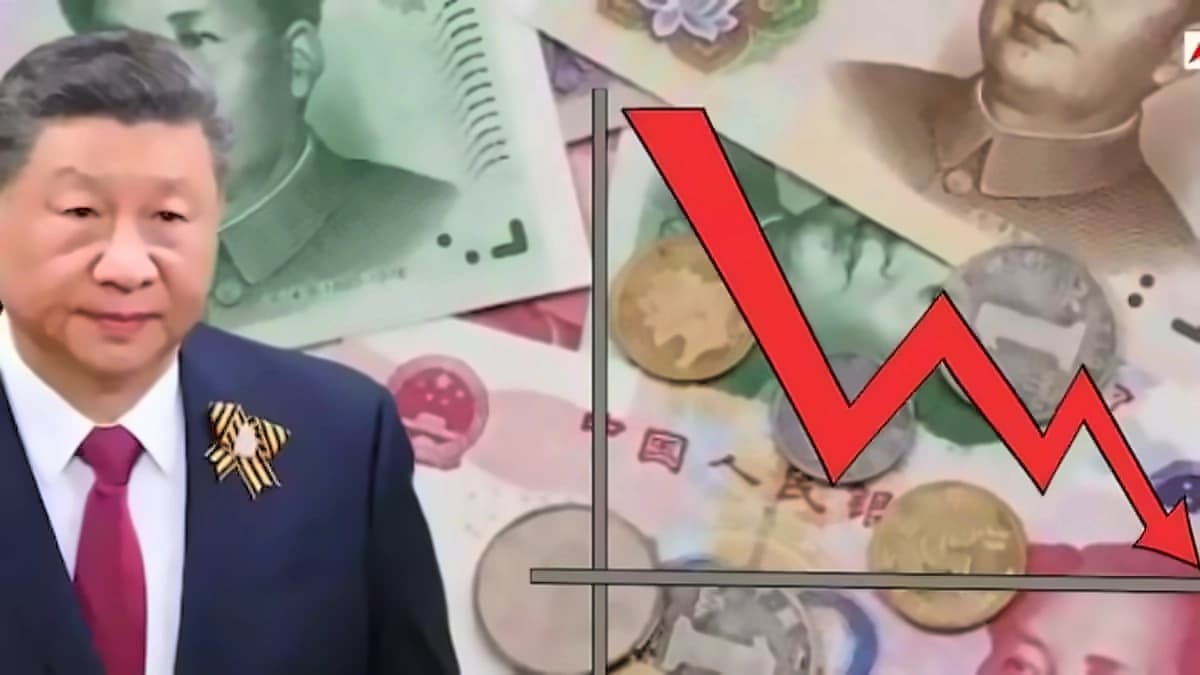
China's GDP growth of 4.3% in the April-June quarter represents a decline from the 5% growth recorded in the January-March quarter, as reported by multiple sources. According to Yu Song, Chief Economist at UBS China, the primary reason behind weaker growth is a prolonged real estate crisis, with China's property market experiencing a steep decline for some time. Weaker consumer spending has also contributed to the slowdown, as fuel prices have risen due to the US-Iran conflict, prompting consumers to move away from expensive branded products toward cheaper alternatives. Rising fuel prices linked to the US-Iran conflict and cautious consumer spending have further weighed on China's economic performance.
Despite India remaining one of the largest importers of Chinese goods, the country has recorded higher GDP growth rates. As reported by multiple sources, while India imports a large volume of goods from China, exports from India to China remain comparatively low. This trade pattern suggests that India's economic growth is driven by domestic factors rather than its trade relationship with China, with the country continuing to import substantial volumes of goods from its neighbouring country.
Declining employment has also weighed on China's economy, according to Yu Song's analysis. While artificial intelligence has benefited China, it has also significantly reduced the number of workers, contributing to the overall economic slowdown. The economist noted that AI has not been responsible for the decline in economic growth, but rather has been a factor in the changing employment landscape, with automation reducing employment opportunities across various sectors of the economy.