India is rapidly strengthening its position as one of the world's leading manufacturing destinations and is emerging as a major beneficiary of the ongoing realignment of global supply chains, according to a new ASSOCHAM study. The study, titled "Global Manufacturing Undergoing Strategic Realignment: India Emerges as a Key Beneficiary of Supply Chain Diversification," highlights that the post-pandemic world has fundamentally reshaped global manufacturing dynamics. While China remains the world's largest manufacturing economy, new manufacturing investments and production capacity are increasingly being distributed across multiple economies as global firms adopt China+1, nearshoring and friendshoring strategies to build resilient and diversified supply chains.
The analysis, covering the world's ten largest manufacturing economies, which together account for nearly 65% of global manufacturing output, reveals that India has emerged as one of the "Emerging Manufacturing Leaders" by significantly improving its manufacturing performance relative to the global average in the post-pandemic period. According to the report, India's average manufacturing growth rose from 3.44% in the pre-pandemic period (2016-19) to 4.15% in 2022-25, moving from below the global average to nearly two percentage points above the world benchmark. This remarkable improvement reflects India's growing competitiveness in the evolving global manufacturing landscape, with the country moving from 0.95 percentage points below the global manufacturing growth average during 2016-19 to 1.96 percentage points above it in 2022-25. In comparison, the global average manufacturing growth declined to 2.19% in the post-pandemic period from 4.39% before the pandemic. The study notes that before the pandemic, only China, Mexico and Russia recorded manufacturing growth above the global average, while in the post-pandemic period, India joined the United States, France, Germany, Italy and the United Kingdom in surpassing the global benchmark.
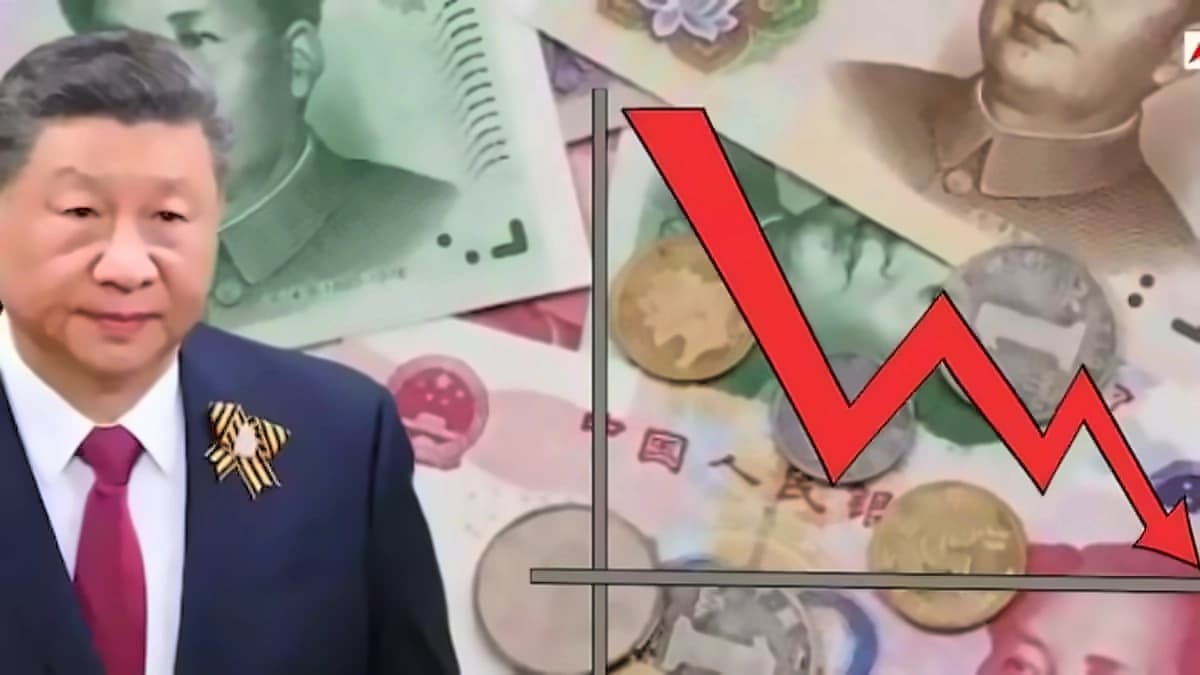
The study emphasizes that the post-pandemic world has fundamentally reshaped global manufacturing dynamics, with new manufacturing investments and production capacity increasingly being distributed across multiple economies. This strategic realignment represents a significant shift from the previous concentration of manufacturing in a single economy, as global firms seek to build more resilient and diversified supply chains through various diversification strategies. The report notes that China, while remaining the world's largest manufacturing economy, slipped from 2.40 percentage points above the global average to 2.26 percentage points below it during the same period, highlighting the broader trend of supply chain diversification. According to ASSOCHAM President Nirmal K Minda, "Companies were no longer focused solely on efficiency, but were placing equal emphasis on resilience and supply chain diversification."
Policy reforms, infrastructure upgrades and China+1 strategies have boosted investor confidence, enhancing India's manufacturing competitiveness globally, according to the latest ASSOCHAM study. The report attributes India's manufacturing gains to expanding domestic demand, infrastructure development, improved logistics, higher investor confidence under the China+1 strategy, and government initiatives including the Production Linked Incentive (PLI) schemes, PM Gati Shakti and industrial corridor development. ASSOCHAM President Nirmal K Minda emphasized that "The opportunity before us is significant, but the next phase must focus on implementation, scale and creating globally competitive manufacturing ecosystems that can make India a preferred partner in global value chains." The study identifies India's rise to several structural strengths, including robust infrastructure development, improved logistics, growing investor confidence driven by the China+1 strategy, and proactive government initiatives such as the Production Linked Incentive (PLI) scheme, industrial corridor development, PM Gati Shakti and other manufacturing-focused reforms.
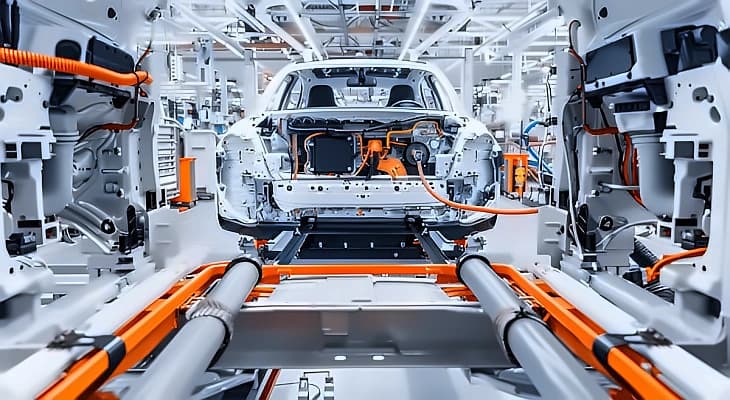
The study identifies key areas for India to further consolidate its manufacturing position, including accelerating logistics and industrial infrastructure, strengthening domestic supplier ecosystems, enhancing ease of doing business, promoting Industry 4.0 technologies and leveraging free trade agreements to deepen integration with global value chains. According to the report, the next phase of growth should focus on implementation, scale and creating globally competitive manufacturing ecosystems that can strengthen India's role in global value chains. This strategic approach positions India to capitalize on the ongoing global supply chain realignment and build upon its current manufacturing leadership position, with the country moving from being a manufacturing destination to becoming a preferred partner in global value chains.