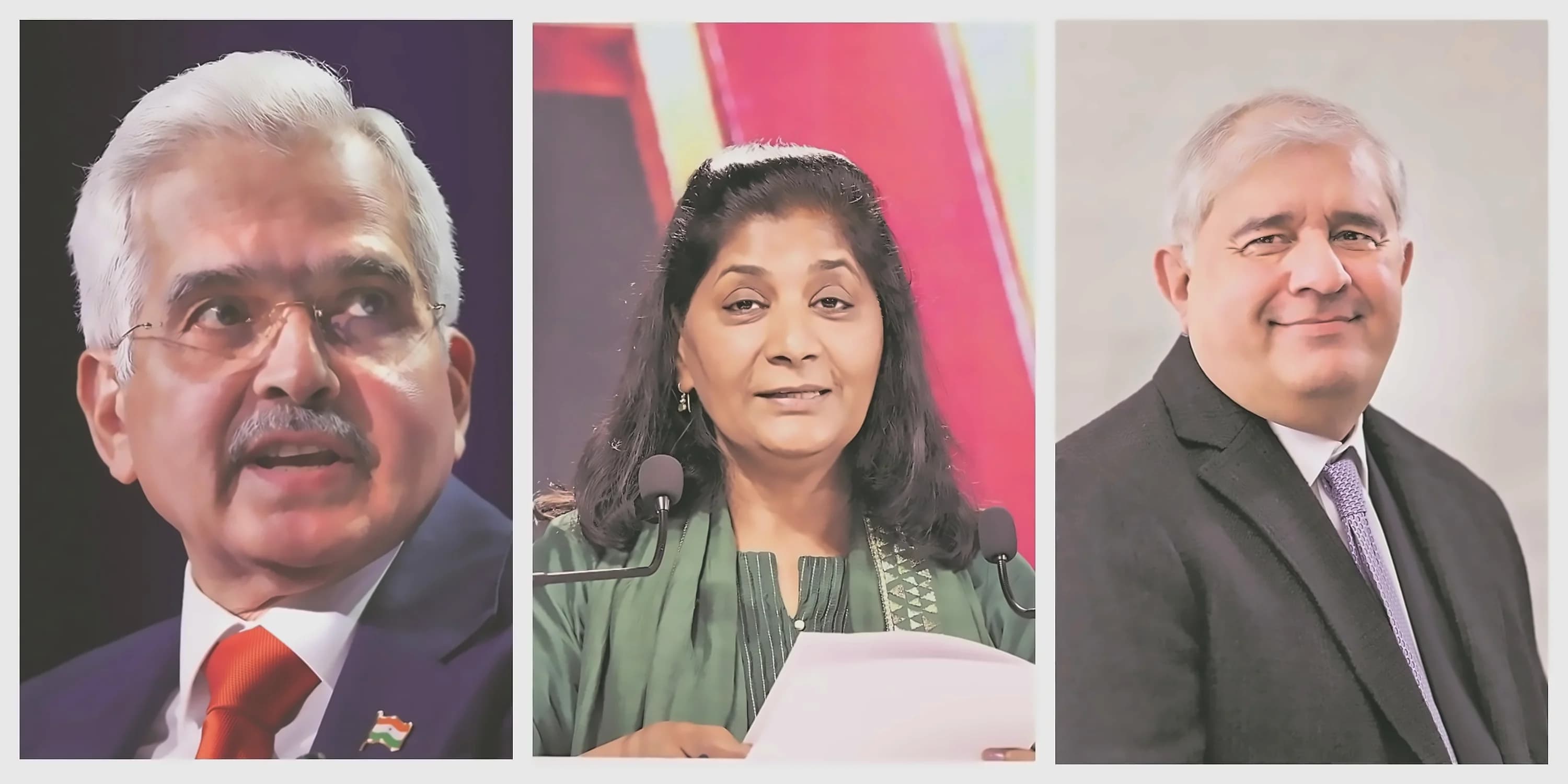
Foreign investor outflows from India may be stabilising, with the return of foreign capital depending partly on global factors and valuations, foreign bank executives said during discussions at the Business Standard BFSI Insight Summit 2026. PD Singh, CEO of Standard Chartered Bank India, said "Probably too early to say, but probably stabilisation of the outflows have already happened. If that is the scenario, and the India story remains strong, then I think we're just waiting for some of these external factors to stabilise before capital comes back into the country." The panel discussion featured Rajat Verma, CEO of DBS Bank India; K Balasubramanian, CEO of Citi India; Hitendra Dave, CEO of HSBC India; and Tushar Vikram, CEO of Mashreq Bank, discussing foreign banks' role in facilitating cross-border capital flows and supporting Indian companies expanding overseas.
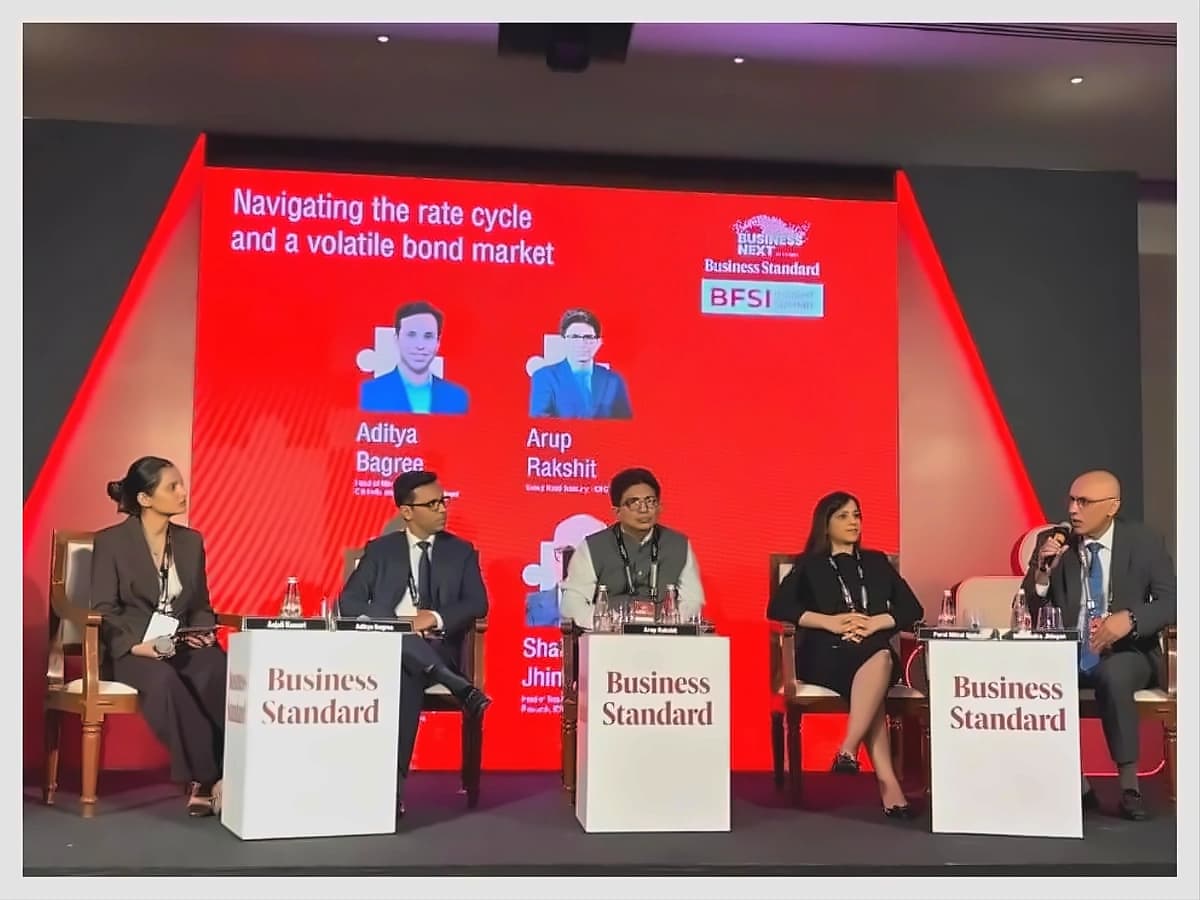
Singh attributed the recent movement of foreign capital to global developments, including the interest rate differential between the US and India, currency depreciation and the surge in interest in artificial intelligence overseas. Citi India CEO K Balasubramanian also cited valuations as one of the factors supporting investor interest in new share offerings, noting that companies coming to the primary market had become more mature, with established business models and valuations that were more attractive than 18 to 24 months earlier. Aditya Bagree, head of markets at Citi India and the Indian subcontinent, explained that AI-related investments had contributed to equity outflows, while foreign currency non-resident (bank) deposits had given the Reserve Bank of India room to manage the rupee's depreciation. However, Shailendra Jhingan, head of treasury and economic research at ICICI Bank, warned that the deposits were buying time, not permanently changing the rupee's outlook, as repayments fall due in three to five years.
Samiran Chakraborty, MD and India chief economist at Citibank, said India would need $600 billion in foreign capital over the next decade as investment requirements rise to $3.2 trillion. Balasubramanian said India would continue to rely on foreign capital to support its ambition of becoming a developed economy over the next two decades, noting that "If you look at the domestic savings in the country, I am not too sure whether there is enough domestic savings for us to accelerate and take the business from where it is to the next level as an economy." Singh emphasised that foreign banks remained closely linked to India's growth through overseas expansion by Indian companies, investments into the country and demand for wealth management services. He cited Standard Chartered's renewable energy and infrastructure financing transactions, fundraising through dollar bonds and support for large Indian corporates expanding into overseas markets as examples. Jairam Sridharan, MD and CEO of Piramal Finance, noted that lenders rated A and below had limited funding options, favouring larger players.
Citi India CEO K Balasubramanian highlighted that free trade agreements (FTAs) with the UK and the European Union (EU) could open up significant opportunities for trade and investment, with 99 per cent of India's exports and 90 per cent of its imports coming under FTA trade. Sonal Varma, managing director and chief economist for India and Asia at Nomura, argued for reducing dependence on volatile overseas flows, while Aastha Gudwani, India chief economist at Barclays, said the Viksit Bharat 2047 ambition required foreign financial capital. Balasubramanian estimated that the India-UK and India-EU FTAs have the potential to strengthen cross-border business and investment flows, potentially worth around $90-100 billion, while the India-EU corridor could reach $220-250 billion if the full benefits of the agreements were realised. He described these agreements as a potential balancing factor amid delays in the India-US trade arrangement.
The panellists discussed opportunities in lending to small and medium enterprises (SMEs), particularly businesses connected to manufacturing clusters and global supply chains. DBS Bank India CEO Rajat Verma said the bank was focusing on selected lending segments where it could build a meaningful and scalable presence, including SME banking and gold loans. Verma emphasised that "The core purpose (dharma) of a foreign bank is to facilitate foreign capital flows. That remains a pivotal part of our role," highlighting that foreign banks can leverage their global strengths in wealth management and digitalisation to increase access to international growth opportunities. Jhingan noted that institutional mechanisms and credit support were needed to make SME financing more stable and scalable.