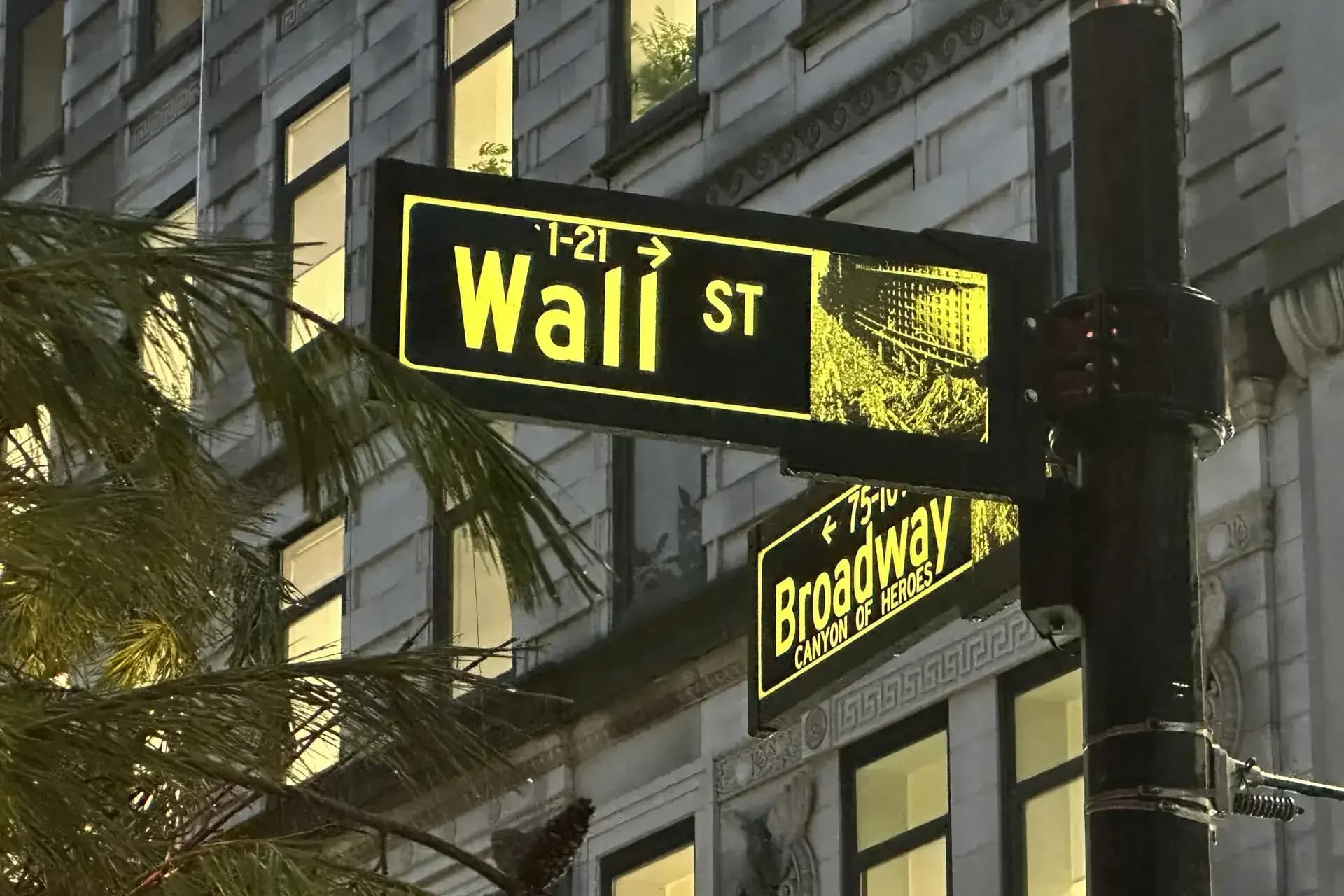
Global markets experienced a sharp selloff on Tuesday, with the Nasdaq Composite falling 0.97% to 25,678.82 leading all major indexes lower. According to Reuters, the S&P 500 declined 0.26% to 7,386.44 and the Dow Jones Industrial Average rose modestly by 0.17% to 50,870.94, as investors turned cautious amid concerns over inflation, interest rates and geopolitical risks. The latest developments saw the sell-off intensify after months of strong gains in many asset classes, with traders increasingly questioning whether markets had become too optimistic about the outlook for interest rates and economic growth. MSCI's gauge of stocks across the globe rose 0.18% to 1,102.90, while the pan-European STOXX 600 index finished down 0.5% after rising earlier. The CBOE volatility index, Wall Street's fear gauge, finished up 0.95 points at 19.87 after earlier hitting 23.34, which was its highest level since April 7.

The May jobs report far exceeded expectations, with US employers adding 172,000 jobs last month, well above economists' expectations of around 88,000. The unemployment rate held steady at 4.3%, but the strong report has fueled bets on a Federal Reserve rate hike at some point this year, as the labor market stabilizes amid high inflation. Traders are now fully pricing in a rate hike from the central bank by the end of the year, with the probability for a 25-basis-point increase by December rising to 43% and bets on a 50-basis-point increase rising to nearly 21%, from 12% last week, according to CME Group's FedWatch tool. Following months of weak jobs growth, the labor market appeared to be stabilizing and Friday's data could exceed expectations with payrolls rising 100,000 in May, Commerzbank said. US Treasury yields dipped as traders waited for May's consumer inflation report, with the yield on the 2-year note falling 3.6 basis points to 4.122% from 4.158% late on Monday.
After a nine-day winning streak, the Nasdaq fell for the third consecutive day, pressured by a sell-off in semiconductor chip stocks. The S&P 500's heavyweight technology sector fell as much as 5.5% before closing with a 1.8% loss for the day, as investors rotated out of technology stocks and into defensive sectors such as real estate, utilities and healthcare. According to Reuters, Sahak Manuelian from Wedbush Securities noted that "investors were selling technology stocks and rotating into more defensive sectors," adding that "investors are looking at their portfolios and seeing how much tech has moved and then also coming to grips with the SpaceX IPO, which is scheduled for this Friday." Nvidia (NVDA) fell by more than 4%, and Broadcom (AVGO) continued losses since the semiconductor company reported underwhelming results on Wednesday. Micron (MU), AMD (AMD), and Intel (INTC) all sank by more than 8%. This weakness follows an enormous rally in recent weeks for AI-related stocks, with the pullback representing a significant shift in investor sentiment toward artificial intelligence investments.
Oil prices settled lower as updates from the Middle East brought little clarity on progress toward peace, with U.S. crude settling down 3.4% or $3.10 at $88.20 a barrel and Brent settling at $91.45 per barrel, down $2.80 or 2.97%. However, the U.S. Energy Information Administration provided some relief by saying oil stockpiles in the world's largest economies were headed toward their lowest levels since at least 2003, while also expecting global oil demand to decline in 2026, reversing its earlier forecast for an increase. Gold prices fell on rising expectations for a U.S. interest rate hike this year, with spot gold falling 1.59% to $4,259.89 an ounce and spot silver falling 4.26% to $65.26 an ounce. Cryptocurrencies extended recent declines, with bitcoin falling 2.08% to $62,154.00, heading for a weekly decline of nearly 18%.
Rising government bond yields are adding pressure to markets, as when bond yields move higher, investors can earn better returns from relatively safer assets, reducing the appeal of riskier investments such as equities and cryptocurrencies. The yield on benchmark U.S. 10-year notes fell 3 basis points to 4.52% from 4.55% late on Monday, while the 30-year bond yield fell 2.6 basis points to 4.9977%. The dollar index, which measures the greenback against a basket of currencies including the yen and the euro, fell 0.1% to 99.94, with the euro up 0.09% at $1.1544. Against the Japanese yen, the dollar strengthened 0.13% to 160.38. The 2-year note yield, which typically moves in step with interest rate expectations for the Federal Reserve, fell 3.6 basis points to 4.122%, from 4.158% late on Monday. With the European Central Bank expected to deliver its first insurance rate hike next week, there was a risk of market overshooting in the pricing of more hikes ahead.