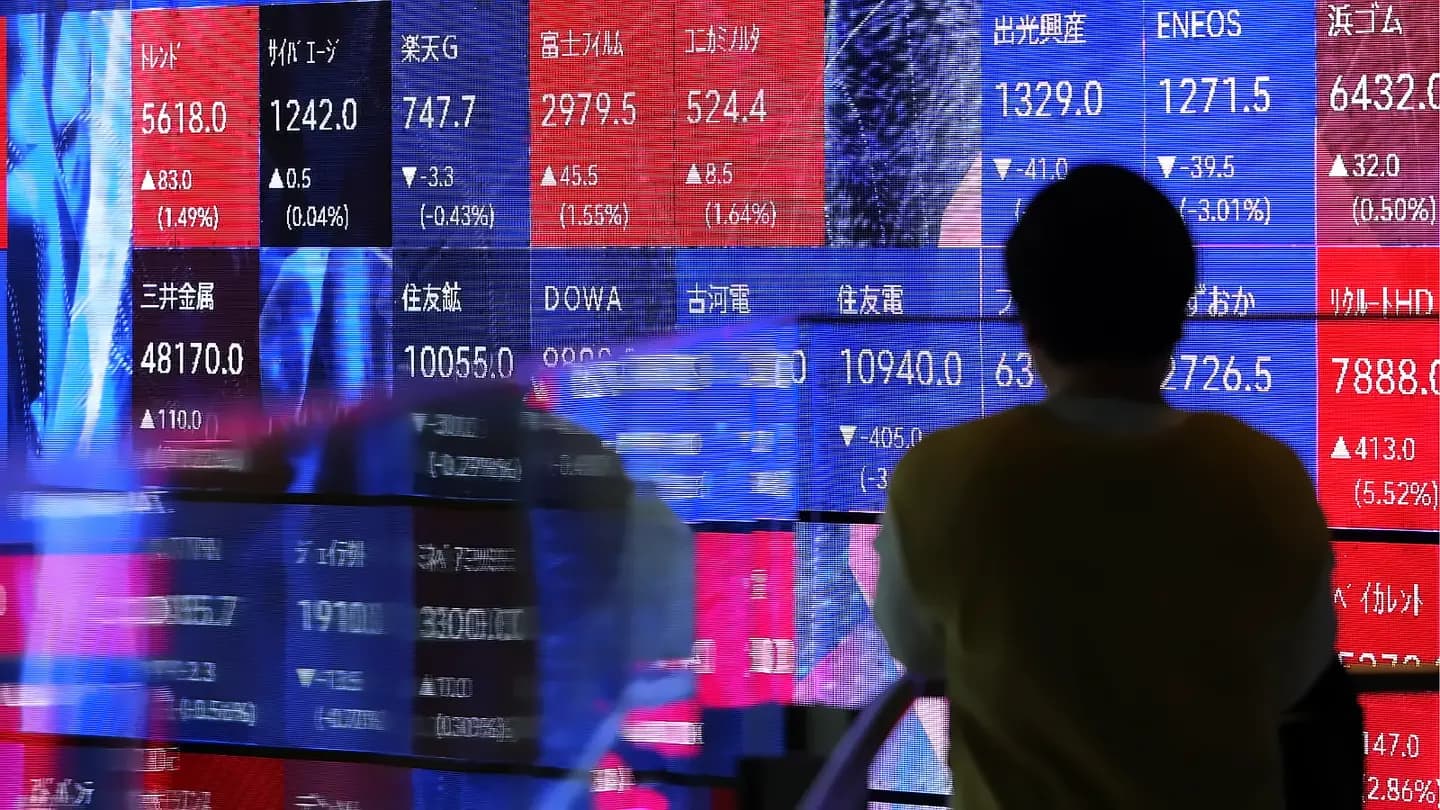
Global investors are cautiously returning to Indonesian markets after the significant turmoil witnessed earlier this year. According to reports from Mint and The Business Times, foreign funds have been buying the nation's bonds for a fourth straight month, while the rupiah has appreciated more than 3.5% from June's record low. Money managers including those at Invesco Ltd. and PPM America Inc. have trimmed their underweight positions in Indonesian assets, with stocks looking poised for their first quarterly inflow of 2026. The turnaround has been sparked by an off-cycle interest-rate hike by Bank Indonesia and other measures to shore up the rupiah, with the Jakarta Composite Index jumping 25% from a more than five-year low in early June, meeting the definition of a technical bull market. However, even as global funds have bought $296 million of local stocks so far this quarter on a net basis, that's barely dented year-to-date outflows of nearly $4 billion.
The return of foreign investors has been supported by a series of measures aimed at restoring market confidence. As reported by Mint and The Business Times, President Prabowo Subianto has pledged to rein in the budget deficit, while regulators have rolled out more measures to address MSCI Inc.'s concerns over market transparency. Newly appointed Bank Indonesia Governor Destry Damayanti has signaled she will stay the course, helping to draw investors back to the market. However, deeper doubts over policy execution mean few are rushing back in, with Prabowo's interventionist agenda continuing to be a source of unease. In his budget speech last month, Prabowo refrained from unveiling fresh populist measures but announced plans to open a new commodity exchange to exert greater influence over global prices. The budget proposal represents a step in the right direction, but investors remain skeptical about the administration's underlying policy orientation.
Despite global economic uncertainty, Indonesia's economic outlook remains positive with 5.2% growth projected for 2026. According to Bank Danamon Indonesia's Lead Economist Irman Faiz, the Indonesian economy still has strong foundations to maintain growth amid various global challenges. "Investment activities remain the main support for growth, while opportunities from industrial downstream, digital economy, and data center development have the potential to create new sources of growth in the medium to long term," Irman stated. Global economic uncertainty is expected to remain a challenge through 2026, with world economic growth projected to fall from 3.5% in 2025 to around 3.0% by end-2026, before strengthening again in 2027. Foreign direct investment continues to show positive trends, especially in downstream sectors, basic metal industries, and data center development, which are emerging as new sources of economic growth in Indonesia.

Despite the recovery, deeper doubts over policy execution mean few are rushing back in. According to Mint and The Business Times, even as the Jakarta Composite Index has jumped 25% from a more than five-year low in early June, meeting the definition of a technical bull market, the benchmark is still down almost 23% for 2026 — the steepest loss among more than 90 global indexes tracked by Bloomberg. While global funds have bought $296 million of local stocks so far this quarter on a net basis, that's barely dented year-to-date outflows of nearly $4 billion. The rupiah remains among Asia's worst-performing currencies this year, with the semblance of optimism in the bond market underpinned by Bank Indonesia's measures to boost local debt appeal, though the pace of foreign purchases has slowed since June's $1.3 billion inflow. A tougher global backdrop is raising risks, as renewed US-Iran hostilities drive up oil prices and bets grow on US Federal Reserve interest rate hikes.
Bank Indonesia has implemented comprehensive policies to strengthen the domestic foreign exchange market, including the development of local currency transactions, improvement of foreign exchange market transaction provisions, and implementation of Foreign Exchange Market Transaction Provisions Hedging Transactions through Partner Banks (VASTRA). According to Assistant Director Yansen Lokanata, these policies are designed to expand global investors' access to rupiah hedging instruments and increase domestic foreign exchange market liquidity. "Various policies that Bank Indonesia continues to improve aim to increase market efficiency, expand investor access, and encourage the creation of a more inclusive and resilient financial market in the face of global dynamics," Yansen explained. The initiatives are expected to support exchange rate stability in the long term and deepen the foreign exchange market as an important foundation for maintaining sustainable economic growth amid global economic landscape changes.