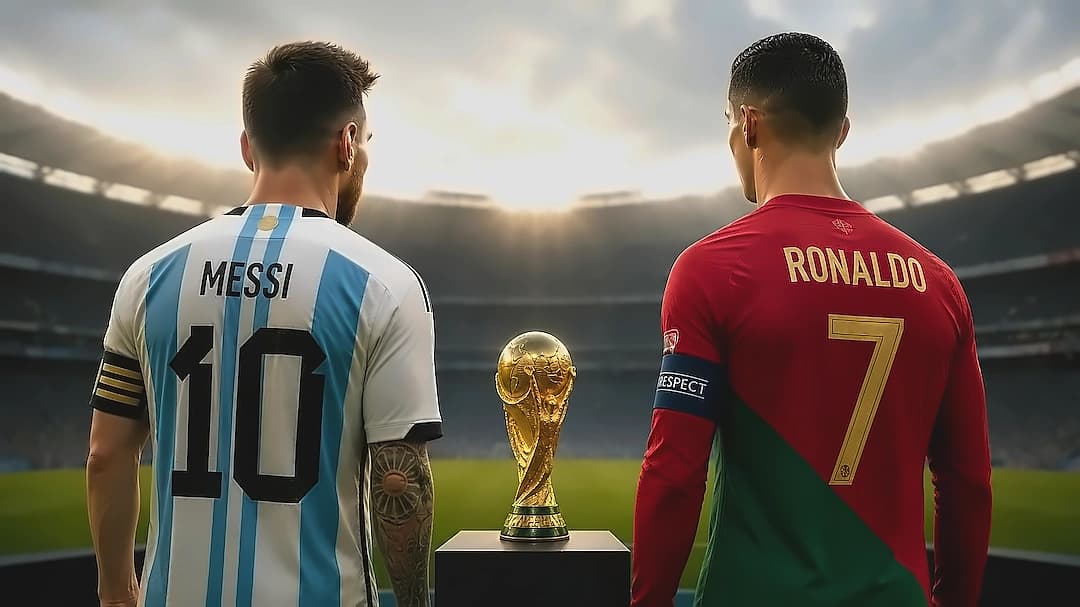
FIFA successfully secured a World Cup broadcast rights agreement with China Media Group on Friday, just 27 days before the opening game of the 2026 tournament. According to reports from Business Standard, the comprehensive deal covers the next four World Cups through 2031, including both men's and women's tournaments. The agreement includes the 48-team, 104-game men's tournament starting June 11 in North America, despite China not qualifying for the competition. Under the newly finalized agreement, CMG has obtained exclusive media and sublicensing rights in mainland China for four major FIFA tournaments: the men's World Cups in 2026 and 2030, along with the Women's World Cups in 2027 and 2031.
The final agreement was significantly below FIFA's initial expectations, with Chinese state-affiliated media reporting the 2026 World Cup rights valued at $60 million. As reported by Business Standard, FIFA had originally sought $300 million for the broadcast rights, representing a substantial discount from their initial asking price. However, the financial details of the complete agreement were not officially disclosed, according to Business Standard. FIFA secretary general Mattias Grafstrom expressed satisfaction with the agreement, stating it was a real pleasure to find an agreement with CMG. FIFA Secretary General Mattias Grafström welcomed the partnership and highlighted the significance of the Chinese audience, stating "The Chinese market is of very big importance to the global football community. We know the passion of Chinese football fans and we're very happy and proud of our partnership with CMG to bring the World Cup to all fans in China," as reported by Business Standard.
News of the agreement quickly became one of the most-discussed topics on Chinese social media platform Weibo, generating over 27 million views within 45 minutes of the announcement, according to Business Standard. For previous editions of the World Cup, CCTV had typically finalised broadcasting agreements much earlier and launched extensive promotional campaigns ahead of kickoff. Reports suggest CCTV has approached China Mobile's streaming platform Migu regarding a potential distribution partnership for the 2026 World Cup, as China has increasingly embraced digital streaming for major football events. During the 2018 World Cup, CCTV sublicensed streaming rights to Migu and Alibaba-owned Youku for the first time, while in 2022, CMG further expanded distribution by partnering with Migu, Douyin, and regional television broadcasters. Despite China's men's team reaching the World Cup only once in 2002, the country maintains the world's largest football fan base with roughly 200 million people following the game, as reported by AsiaOne.
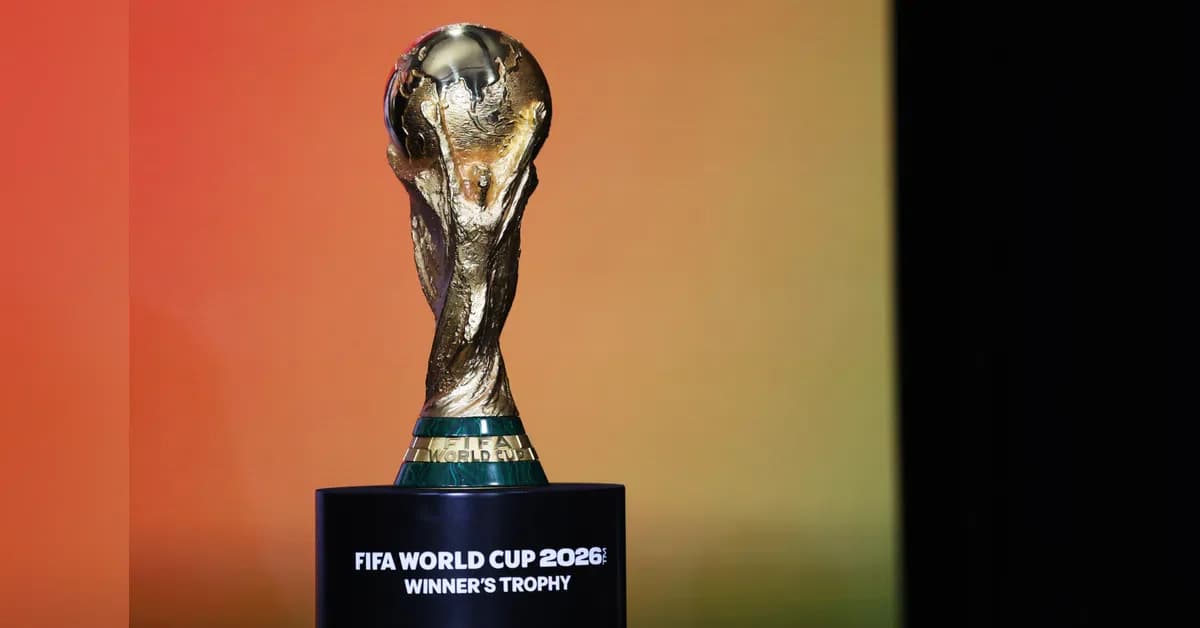
Chinese corporate involvement in the World Cup extends beyond broadcast rights, with technology firm Lenovo serving as one of FIFA's eight top-tier sponsor partners. As reported by Business Standard, dairy firm Mengniu and electronics manufacturer Hisense have secured second-tier sponsorship deals. However, Chinese conglomerate Wanda's long-term deal with FIFA, signed in 2016, was terminated two years ago. The value of TV rights for the 2030 World Cup, originally planned for China, remains undisclosed. Meanwhile, FIFA recently confirmed that broadcast deals for the 2026 World Cup have now been completed across more than 175 global territories, although negotiations for broadcasting rights in India are still ongoing.
With less than a month remaining before the start of the FIFA World Cup 2026, Indian football fans are still awaiting clarity over the tournament's official broadcaster in the country. Despite the uncertainty, the All India Football Federation (AIFF) remains optimistic that a television and streaming agreement will be finalised soon. AIFF Deputy General Secretary M Satyanarayan had expressed confidence that India's massive football audience and commercial value make it highly unlikely for FIFA and major broadcasters to overlook the market entirely. The delay in securing a deal is believed to stem from ongoing disagreements over broadcasting rights valuation, according to reports, with FIFA having already reduced its original pricing expectations, but Indian broadcasters still reluctant to match the revised figures.