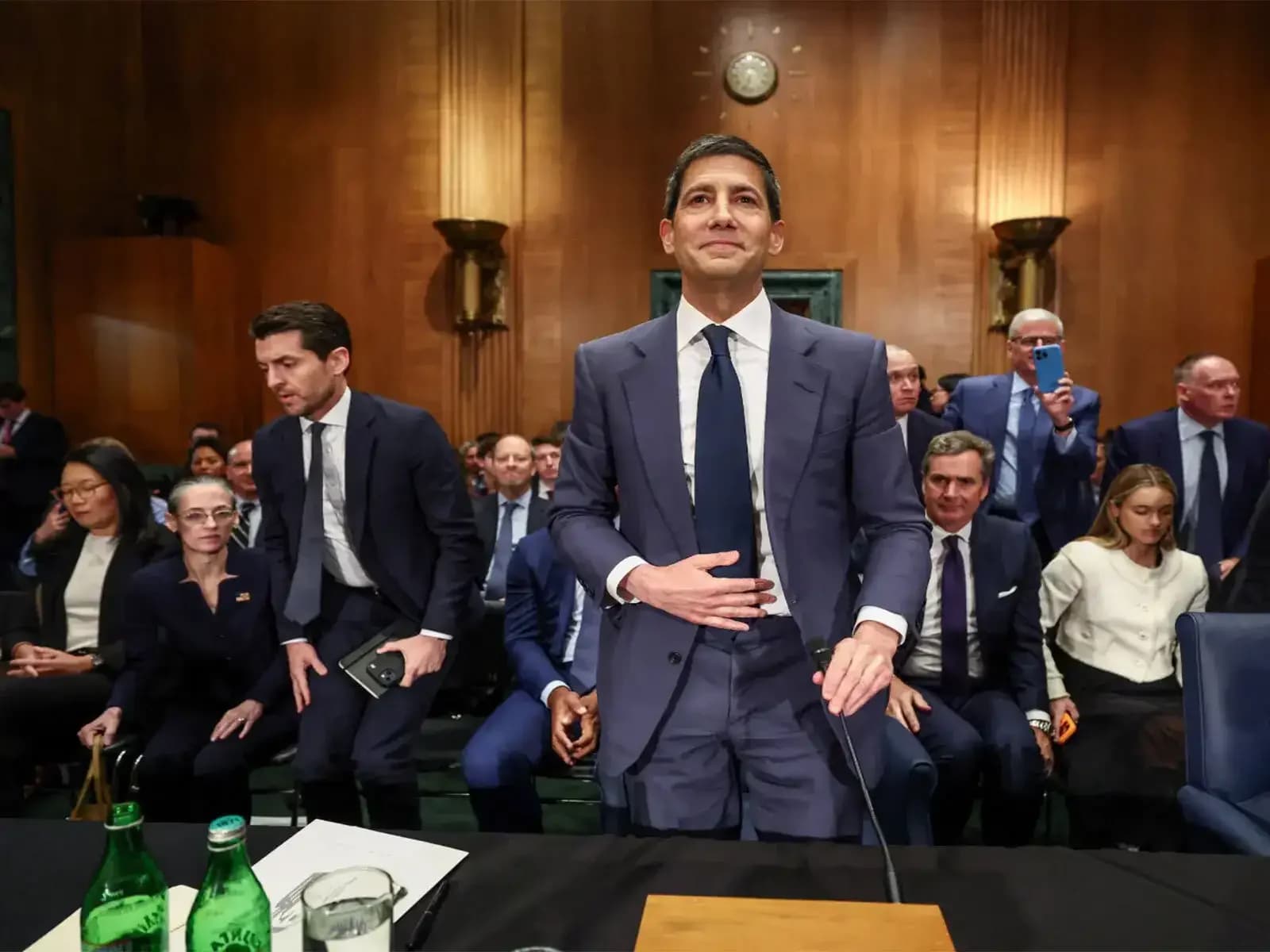
The U.S. Federal Reserve's ambitious plan to drain trillions from its balance sheet is creating significant pressure on global financial markets, with global dollar liquidity tightening as the central bank unwinds a decade of monetary engineering. Under new Chair Kevin Warsh, who succeeded Jerome Powell in May 2026, the Fed is contemplating a 'regime change' - a deliberate, aggressive shrinking of its portfolio that has proven far more challenging than the original buildup. The Fed's holdings currently sit near $6.7 trillion, roughly 21% of the US's gross domestic product, after more than a decade of quantitative easing deployed against the 2008 Global Financial Crisis and again during the Covid pandemic. When the Fed last attempted to shrink through quantitative tightening (QT), it was forced to halt in late 2025 as money-market plumbing seized up and overnight rates threatened to spike.

The Fed's balance sheet runoff is creating pressure on FII flows and the rupee as global dollar liquidity tightens, with the pace of unwinding proving more significant than its absolute size. The $6.7 trillion balance sheet reduction is reaching all the way to Dalal Street, affecting Indian equity markets through the ripple effects of reduced global liquidity. Market participants and analysts are closely monitoring how the Fed's monetary policy shift will impact emerging market flows and currency stability, particularly given the Fed's continued role as a key driver of global asset prices despite the ongoing balance sheet reduction efforts.
The U.S. Federal Reserve's ongoing efforts to maintain ample liquidity in money markets are expected to keep quarter-end funding conditions stable, easing concerns over the volatility that often accompanies the close of a reporting period. According to market participants, traders and analysts do not expect significant stress in short-term funding markets or a sharp rise in demand for the Fed's emergency liquidity facilities as the second quarter draws to a close. Recent market activity has reinforced expectations of a smooth transition into the new quarter, with no borrowing through the Fed's Standing Repo Facility on Monday and minimal inflows into the central bank's Overnight Reverse Repo Facility.
The Fed has continued injecting liquidity through its reserve management purchases of Treasury bills, a technical operation aimed at maintaining smooth money market functioning. The central bank began purchasing $40 billion of Treasury bills each month late last year to ensure adequate liquidity around the mid-April tax payment period, subsequently reducing the pace to $10 billion per month as policymakers debate the future of these operations. Market participants broadly expect the Fed to continue buying Treasury bills through the summer, with analysts at BMO Capital Markets expecting the central bank to maintain purchases of $10 billion per month into late summer.
The Treasury bill buying program has become part of a broader policy discussion over the size of the Federal Reserve's balance sheet, with three rationales dominating the case for a smaller Fed. Restoring traditional policy allows interest rates to do the work rather than bond buying, reducing market distortions from the giant state buyer. Rebuilding policy space means future crisis-fighting expansions are more effective and politically palatable when starting from a lower base. The Fed still holds nearly $2 trillion in agency mortgage-backed securities (MBS), which effectively channels subsidized credit into housing. However, the mechanics of unwinding a decade of monetary engineering prove challenging, with analysts expecting any balance sheet changes to be implemented gradually to avoid disrupting financial stability.