US inflation has reached its highest point since 2023, with the Consumer Price Index (CPI) rising to 4.2% year-on-year in May, up from April's 3.8%. According to the latest CPI data, this marks the third consecutive month of hot price increases, painting a picture of an economy where the cost of living continues to outpace earnings. The monthly CPI reading came in at 0.5%, matching forecasts, as energy prices climbed again in May. Inflation exceeded wage growth for a second straight month, which economists warn could slow overall economic activity as consumers have less real purchasing power to spend.
The biggest driver behind the inflation surge was energy prices, with gasoline prices jumping 7% last month, pushing the average gas price to $4.60 per gallon. The broader energy index jumped 3.9% on the month and was up 23.5% from a year ago. Food prices rose slightly by 0.2%, while shelter costs increased 0.3%, slowing from April's 0.4%. Shelter remains 3.4% higher than a year ago and still carries the biggest weight in the CPI. New vehicle prices fell 0.3%, while used car prices were almost unchanged, and airline fares jumped 2.7% as higher fuel costs started to pass through.
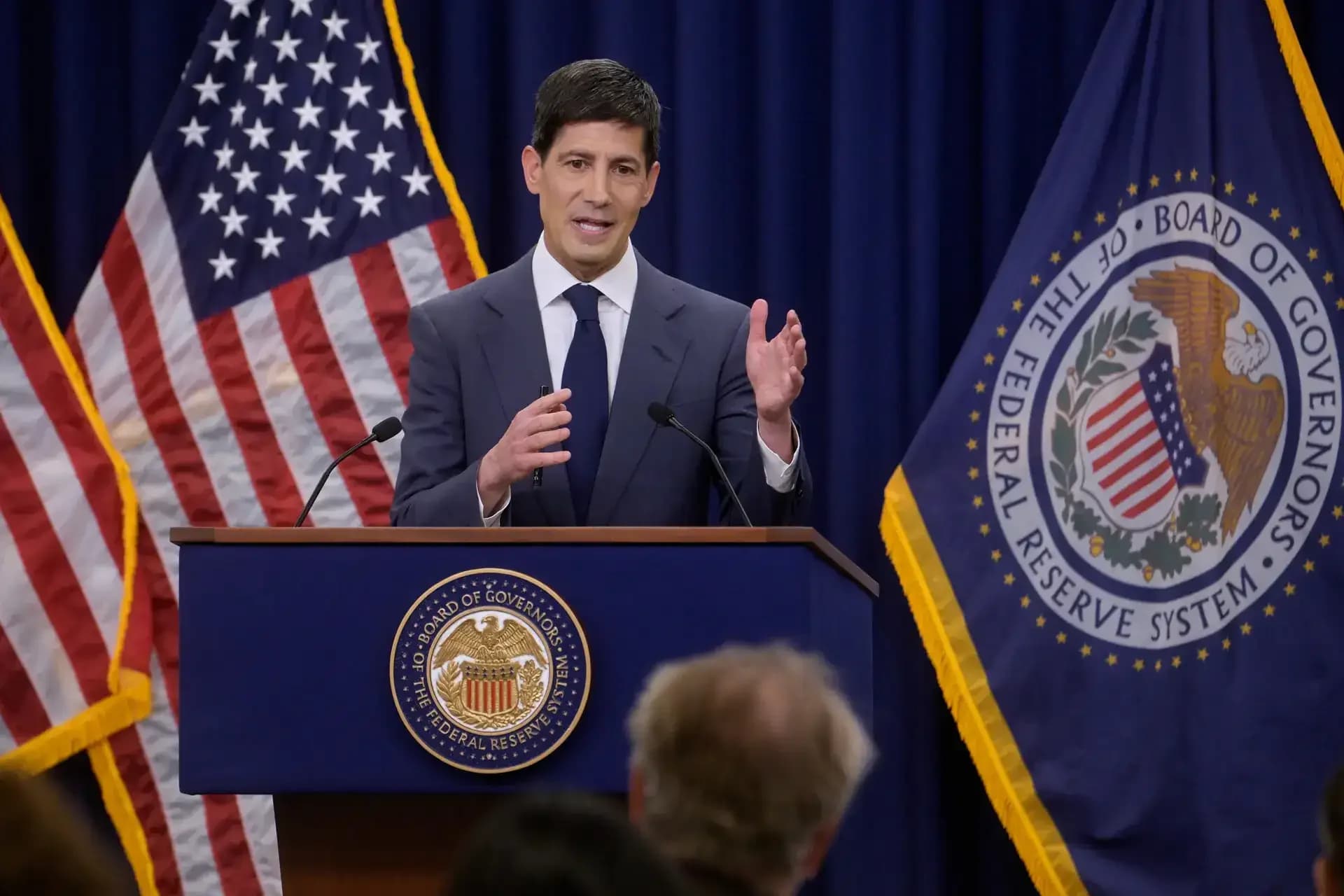
As reported by Investing.com India, financial markets are fully pricing a 25bp Fed rate hike this year with a 70% chance of a second hike in 2027. However, analysts expect the Federal Reserve to maintain current interest rates at a level that officials believe remains mildly restrictive. The Fed is anticipated to 'look through' the energy-related near-term inflation and hold rates steady, as there is no consumer demand impetus that would prompt a return of the broad and persistent inflation seen in 2022. The central bank is expected to keep rates unchanged at its upcoming meeting on June 17, with New Fed Chair Kevin Warsh signaling that rates could eventually move lower, pointing to productivity gains from artificial intelligence as a potential disinflationary force.
The inflation data arrives at an uncomfortable moment for President Donald Trump, who built much of his 2024 election campaign on a promise to bring prices down. With midterm elections approaching in November, the persistent rise in the cost of living has weighed on his approval ratings and handed political opponents a clear line of attack. The White House is expected to push back on the narrative of a cost-of-living crisis, but with gas prices high and inflation above 4%, that message may prove difficult to land. This political pressure adds to the Fed's consideration of maintaining steady rates well into next year.
As reported by Investing.com India, housing remains the largest component of the inflation basket by weight, and flat-lining home prices and cooling private rents suggest shelter inflation will slow from its current 3.5% year-on-year rate. The Dallas Federal Reserve Bank estimates that tariffs are currently lifting the annual rate of core inflation by 0.9 percentage points, but this impact is expected to wane. Tariff refunds following the Supreme Court's decision to strike down 'Liberation Day' tariffs will provide relief for corporate America and help cover any increases in energy or transportation costs. Core CPI was more moderate, coming in at 0.2% MoM and 2.9% YoY, which could offer some relief to policymakers watching for signs of broader inflationary pressures.