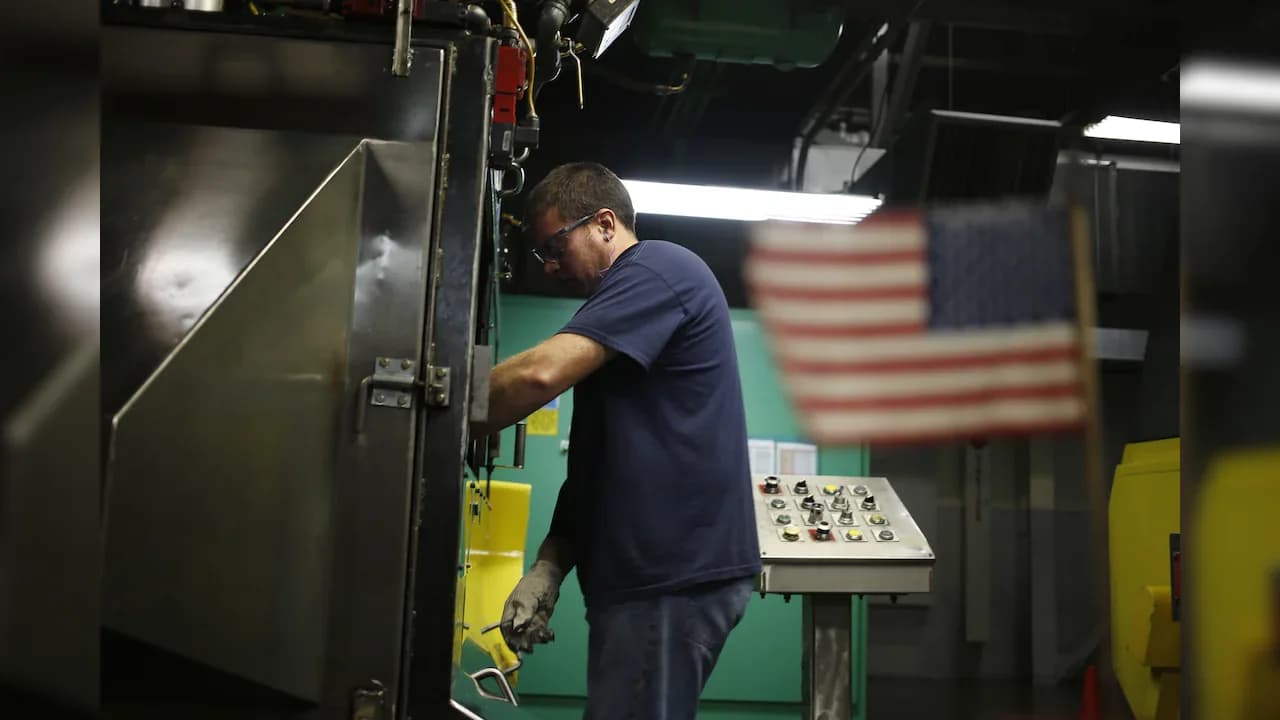
The US economy continued to expand at a moderate pace heading into the Federal Reserve's next policy meeting, with employment improving and inflation showing signs of easing, according to the central bank's latest Beige Book compiled by Reuters. The report indicated that eleven of twelve Federal Reserve districts reported slight to moderate increases in economic activity for the period covering late May through early July 2026, essentially mirroring the prior report. Consumer spending rose across the board, though fuel costs created some drag in specific categories. Manufacturing showed moderate growth, led by demand from data centers, machinery production, and defense-related orders, while construction and real estate activity expanded slightly, again driven largely by data center development. Tourism also contributed to growth, with the World Cup cited as a driver of increased spending in relevant markets. The latest assessment confirms that the economy remains on a gradual upturn with modest improvements in the labor market and modest easing of inflationary pressures, creating more stable conditions for monetary policy.
The banking sector showed slight improvements with loan volume and demand increasing slightly, while credit standards remained unchanged according to the latest Beige Book. Loan pricing was stable on average, but some banks reported slight decreases and others slight increases in loan rates. Nonperforming loans were unchanged at most banking contacts but rose slightly in one case, with some contacts monitoring delinquencies due to strain on household balance sheets from elevated inflation. Despite these concerns, the banking outlook was stable or slightly more optimistic in some cases. A large financial services firm reported flat revenues and profits and expected no major changes in activity going forward. The financial services sector showed modest revenue gains among legal and accounting firms, while staffing firms saw flat or up slightly revenues.
The report painted a picture of a labor market that continues to strengthen without generating excessive wage pressures. Employers in several districts reported stable wage growth despite increased requests from workers for higher pay. The Minneapolis Fed observed that "In Memphis, some employers report that wages have not risen in the last three months, despite rising demands from workers for raises," the regional Fed report confirms. Businesses in the St. Louis Fed district noted that some employers had not raised wages over the past three months even as employees sought pay increases. The Minneapolis Fed also noted that high gasoline prices are taking a toll on the budgets of many workers, while job seekers encountered fewer openings across many occupations, though demand remained relatively stronger for positions such as stockers, nursing assistants, heavy machinery operators and customer service representatives. Employment was roughly unchanged overall, with manufacturers reporting slight increases in payrolls and retail and hospitality contacts saying seasonal hires exceeded last summer's levels. Wages rose slightly on average, with increases noted for manufacturing, retail, and hospitality workers; wages were flat otherwise.
On inflation, nine districts reported moderate price increases, two reported robust growth, and one reported only slight increases, according to the latest Beige Book. Output prices increased slightly on average, with construction prices rising modestly driven by further increases in input costs. Manufacturers likewise cited mounting cost pressures as the source of modest price increases. Some districts flagged rising customer price sensitivity, and combined with recent declines in fuel prices, several districts expressed expectations that inflation would slow. Consumer spending increased modestly overall, as tourism spending posted modest gains and retail spending grew slightly, though several contacts mentioned discretionary spending was down for households with modest means owing to high necessities prices. Lodging prices rose slightly year-over-year at high-end resorts, while more budget-friendly accommodations reported increased price sensitivity among consumers and kept room rates flat despite increased costs. Grocery operators reported overall sales that were softer than anticipated but said higher beef prices had led to record sales of chicken and pork as customers traded down to those lower-priced items. Monthly inflation fell in June, as gasoline prices eased in recent weeks, though an interim peace deal between the US and Iran offered households some respite, before a resumption of hostilities sent oil prices surging again.
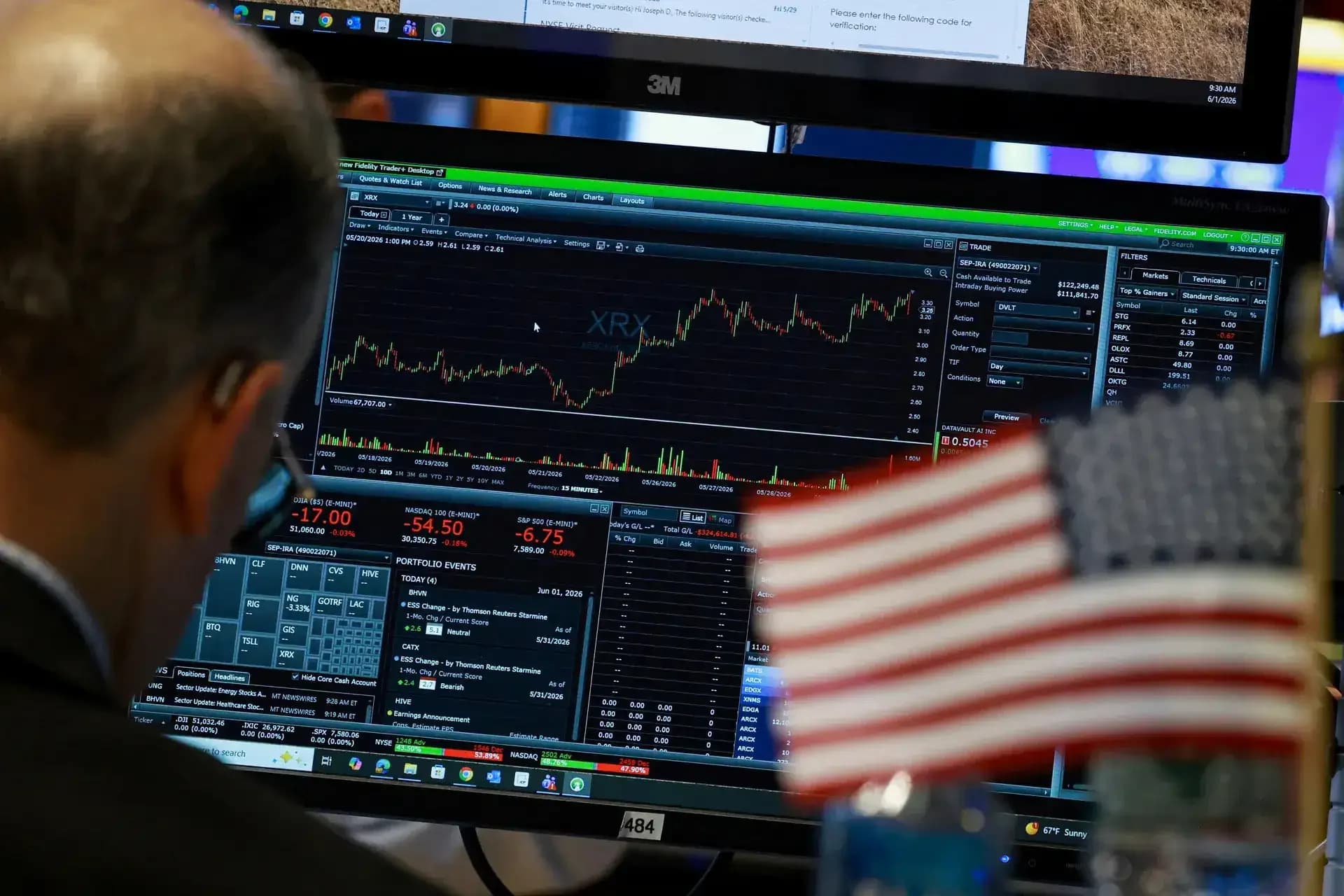
The latest assessment comes less than two weeks before Federal Reserve policymakers gather for their next monetary policy meeting. At the Fed's June meeting, about half of the policymakers projected at least one additional interest rate hike before the end of 2026 as inflation remained above the central bank's target. Fed Chair Kevin Warsh has not disclosed his preferred interest-rate path but has repeatedly reaffirmed the central bank's commitment to restoring price stability during congressional appearances this week. Warsh emphasized that the regulator has tools to restore price stability and reaffirmed this promise during two appearances before lawmakers in Congress on Tuesday and Wednesday. Several Fed officials have voiced their concerns around high inflation, warning they might need to raise interest rates this year, though both chairman Kevin Warsh and New York Fed president John Williams have recently expressed benign views on the inflation outlook. When growth is holding up but price increases aren't speeding up, markets typically dial down the odds that the Fed needs to keep rates higher for longer. This repricing tends to show up first in fed-funds futures and short-dated Treasuries like the 2-year, with longer-term yields also influenced by expectations for long-run growth and inflation.
Recent economic indicators support the Beige Book's assessment of moderate economic expansion. Q2 growth is now projected to increase at a 1.8% real annualized rate for the April-through-June quarter, according to The Capital Spectator's latest Q2 nowcasts, representing a modest downshift from Q1's 2.1% increase. Initial unemployment filings fell 8,000 to 208,000 for the week ending July 11, marking the lowest level since April and approaching recent cyclical lows, indicating continued labor market stability. Retail sales rose again in June, though at a slower pace of 0.2% monthly growth, which represents the softest increase since January's essentially flat reading. As Ellen Zentner, chief economic strategist at Morgan Stanley Wealth Management, noted: "Despite challenges, consumers are still spending and the labor market shows no signs of cracking. This type of data won't move the Fed's needle either way, but it underscores the ongoing resilience of the US economy."