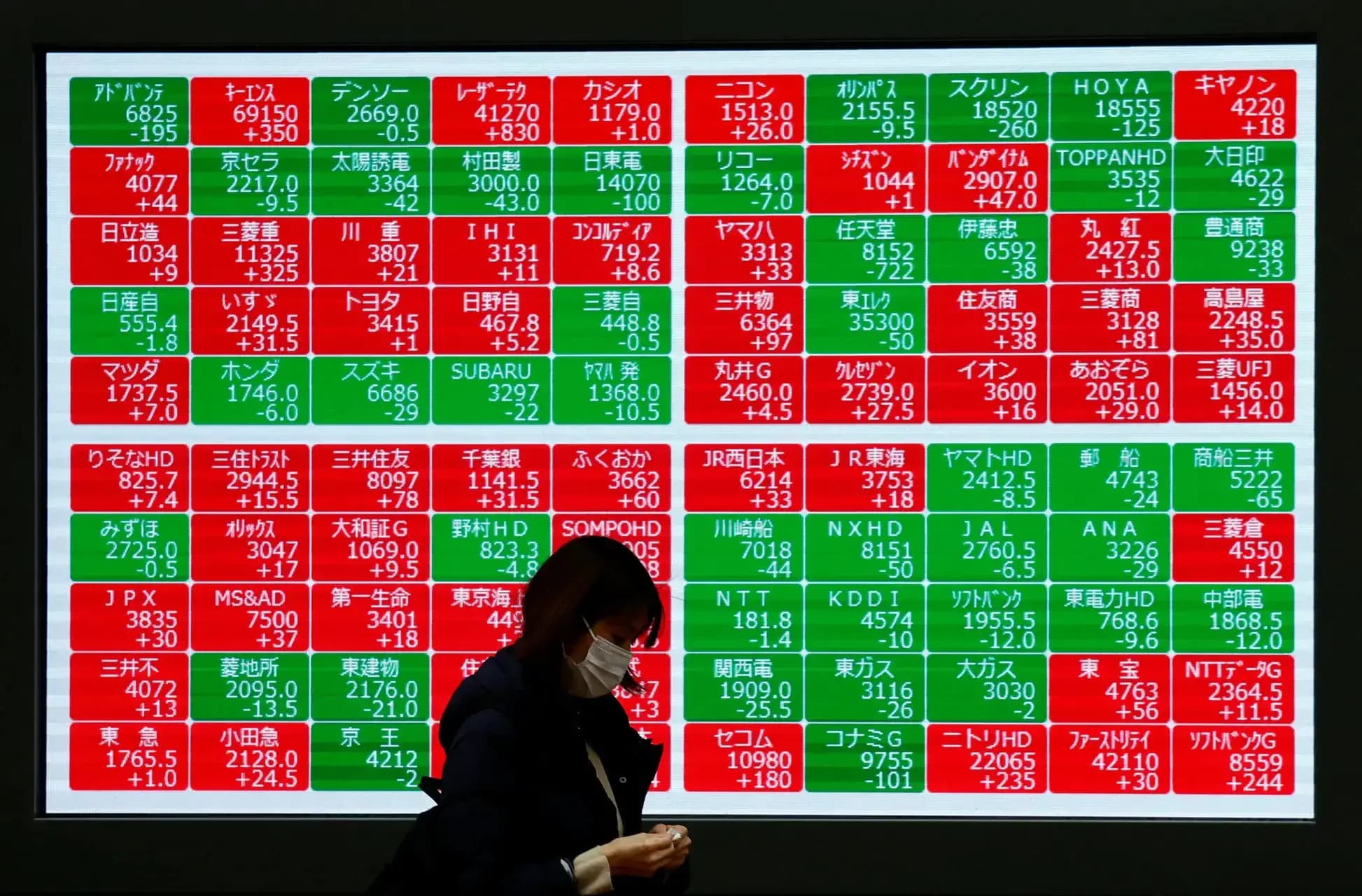
European shares edged lower on Monday as the pan-European STOXX 600 was down 0.1% at 653.40 as of 0713 GMT, with technology stocks weighing on the broader market as investors awaited details of threatened U.S. sanctions on Iran and looked ahead to Nvidia's quarterly results. As per Reuters, markets were focused on the potential impact of new U.S. economic measures targeting Iran and its trading partners, while Tehran warned it could disrupt oil exports from the Gulf if the economic pressure escalates. The mixed performance reflects ongoing investor concerns about higher borrowing costs and persistent geopolitical risks, with the STOXX 600 down 0.1% at 650.23 points as of Thursday's session, still headed for a second straight weekly decline.
Energy companies continue to lead the earnings recovery, with profits for the sector forecast to surge 138.6%, supported by geopolitical events affecting crude markets. However, energy stocks declined as oil prices rose due to the prospect of tighter sanctions and possible Iranian response, with investors assessing the implications for global inflation and economic growth. The energy sector's dominance is primarily driven by disruptions in international crude markets linked to ongoing geopolitical conflicts, creating favorable conditions for energy companies. Brent crude climbed to a one-month high of $94.71 a barrel before giving up some gains as investors took profits, with the latest rise linked to escalating tensions between Washington and Tehran. Energy stocks rose 0.4%, tracking higher oil prices as the move in commodities provided some support to mining and metals-related shares, though the sector faces headwinds as travel and leisure stocks were down 0.6%, as higher oil prices raised concerns over fuel costs.
A recovery in global bonds after a U.S. Treasury intervention helped limit further losses in European equities, but the measures failed to provide lasting support to the bond market. U.S. Treasury Secretary Scott Bessent indicated that the government could expand its Treasury buyback programme and also raised the prospect of fiscal consolidation, though the measures failed to provide lasting support to the bond market. As per Reuters, the renewed weakness in government bonds remained a key factor weighing on European equities as investors continued to monitor the outlook for interest rates and inflation. Basic resources fell 0.9%, the biggest sectoral decline, as gold prices retreated on profit-taking after a rally fuelled by lower bond yields and a weaker dollar.
Among individual stocks, JD Sports was among the worst performers on the STOXX 600, down 13.8%, after the British sportswear retailer cut its profit outlook following a steeper-than-expected drop in second-quarter underlying sales, particularly in North America. Conversely, Novonesis topped the benchmark, up 9.3%, after the Danish biosolutions maker reported better-than-expected second-quarter results, raised its full-year guidance and announced a share buyback. Germany's DAX underperformed regional peers, down 0.5%, as the country's borrowing costs climbed to a 15-year high as the country faces increased defence spending needs, mirroring a broader rise in bond yields across major economies. Sweden's benchmark rose 0.3% after Riksbank left its key interest rate unchanged at 1.75% as expected.

With geopolitical tensions, oil prices, Nvidia's earnings and monetary policy all in focus, European markets are likely to remain sensitive to developments across global financial and commodity markets in the days ahead. Nvidia's results are expected to provide fresh insight into the strength of demand for AI chips and the sustainability of the rapid investment cycle that has driven technology stocks and broader markets. Market participants are also seeking greater clarity on the Federal Reserve's policy path, particularly as markets continue to assess inflation risks, economic growth and the potential timing of future rate moves. The combination of multiple catalysts has created a complex trading environment where investors are carefully navigating various risk factors affecting European equities.