European blue-chip companies are on track to deliver their second-strongest quarterly earnings growth in four years, with companies within the STOXX 600 index expected to report average earnings growth of 23.6% in the third quarter compared with the same period last year. According to an LSEG I/B/E/S report released on Thursday, this growth is primarily driven by the energy sector, which is expected to post a 139% jump in third-quarter profits from a year earlier, benefiting from higher energy prices linked to the Iran war and record refining margins. However, earnings growth across the broader European corporate landscape also remains encouraging, with companies outside the energy sector expected to report aggregate third-quarter earnings growth of 9.8%, comfortably above the average growth rate of 7.1% recorded over the previous 16 quarters. As per Reuters, this positive earnings outlook has supported investor sentiment, with the STOXX 600 touching its highest level in more than a month as strong corporate results lifted market confidence.
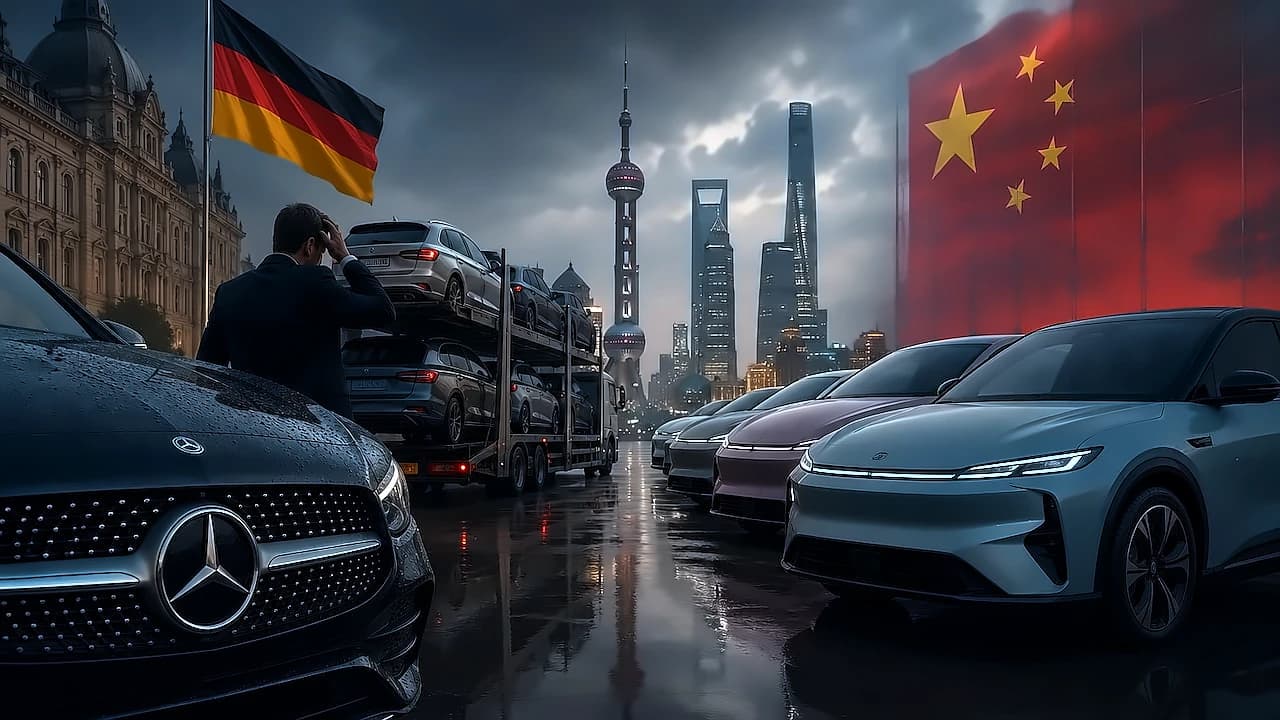
Chinese automakers, including BYD and Geely, are rapidly gaining ground in the European market, with their share climbing above 10% by mid-2026, as reported by Reuters. This represents a significant shift from when Chinese carmakers had only a negligible presence in the European market when Volkswagen's shares peaked in 2021. Over the same period, Volkswagen's stock market value declined by around three-quarters, with tariff-related uncertainty adding to the pressure. The shift reflects Chinese manufacturers' improved cost competitiveness and their aggressive competition on pricing, technology and software. According to Reuters, Jefferies analyst Philippe Houchois warned that "the fundamentals of the industry, in terms of competitive pressure, are getting worse" and "the Chinese are taking too much share at home and abroad to give investors visibility on where the floor is."
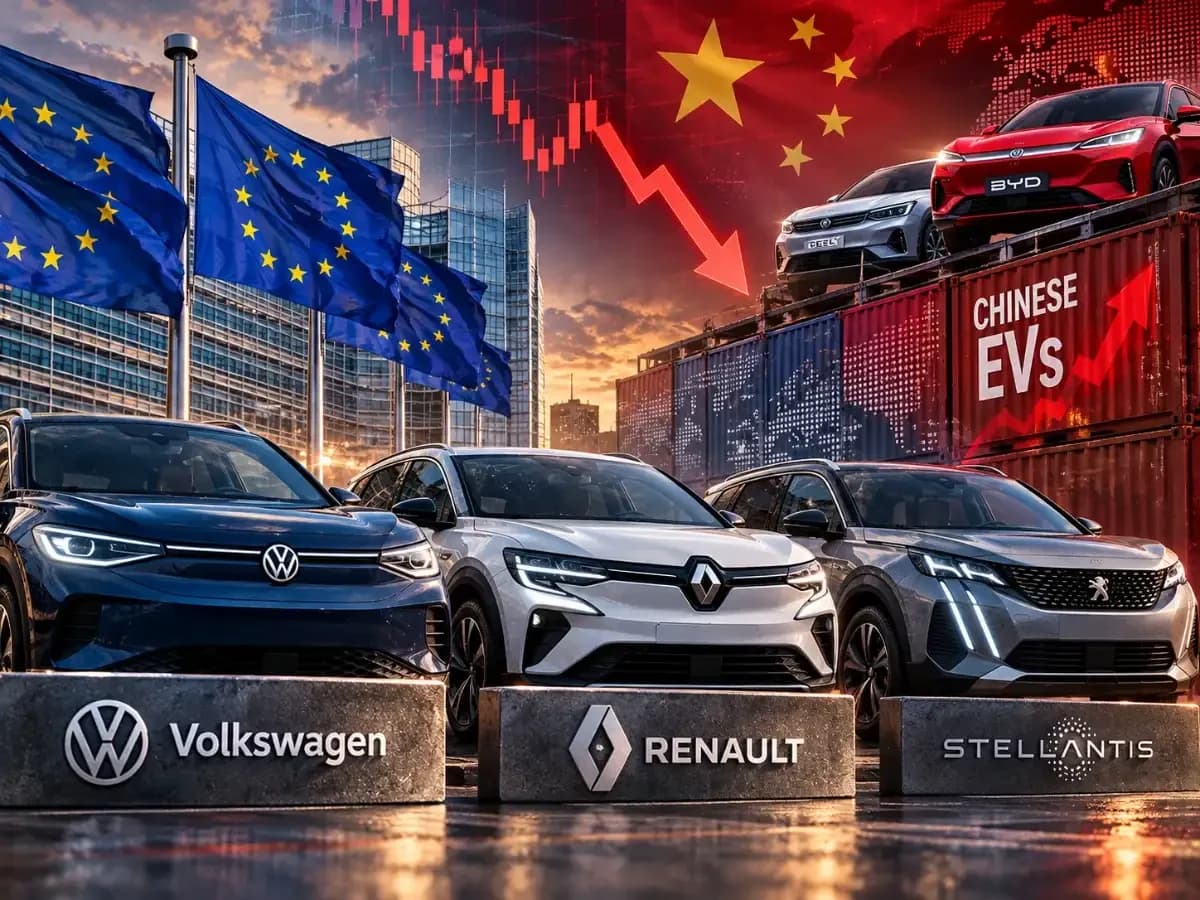
Volkswagen has launched the largest restructuring programme in its history, including plans to cut around 100,000 jobs and potentially close plants in Germany. According to Reuters, Stellantis is pursuing a turnaround based on new vehicle launches, changes to its brand strategy and partnerships with Chinese automakers. Recent earnings offered a glimpse of that potential, with confidence that Stellantis could exceed its cost-cutting targets helping lift its shares 15% in a single session after third-quarter results. Renault is also working to strengthen its market position as competition intensifies and the industry transitions towards electric mobility. These measures are intended to strengthen product offerings, improve competitiveness and address weaknesses that have weighed on financial performance.
Facing pressure from lower-cost Chinese imports, Volkswagen, Stellantis and Renault have called on the European Union to introduce measures supporting the region's automotive industry. As reported by Reuters, Renault CEO Francois Provost warned that the European Union needed to act urgently to support the sector, warning that continued imports from China could further undermine European manufacturers. "Financial markets feel that if Europe is not deciding urgently to support automotive, then the Chinese will continue to import cars (into Europe) and at the end this industry will die," Provost told Reuters. "That's why I say to the EU that now it's urgent to decide." According to Reuters, under strain from low-cost Chinese imports, the manufacturers are seeking assistance as policymakers consider proposed incentives for local manufacturing, with the debate centred on strengthening Europe's industrial base and improving the competitiveness of domestic manufacturers.