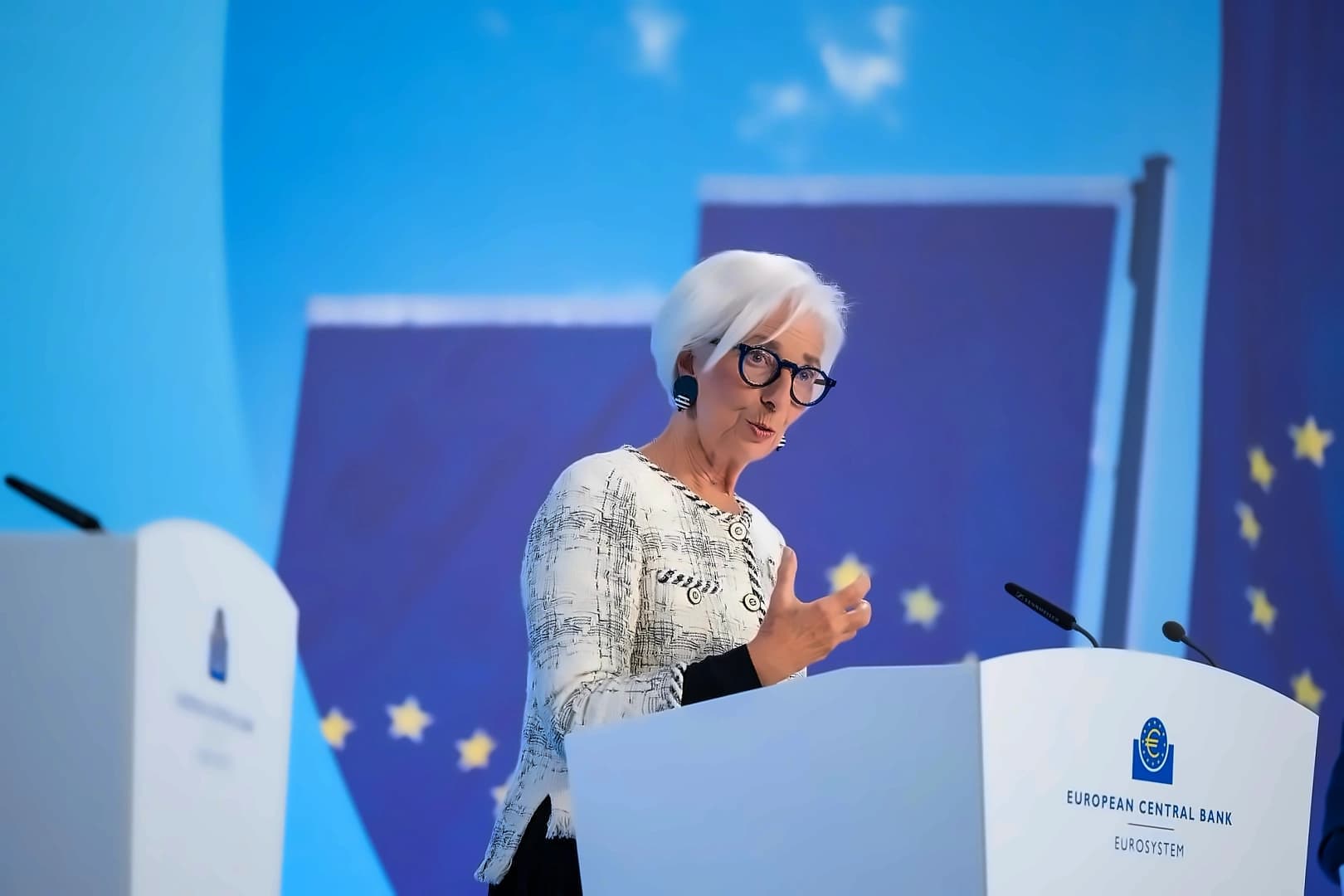
The European Central Bank has selected 36 banks and payment firms from among 50 applicants to join a 12-month digital euro pilot program starting in the second half of 2027. The selected group includes major financial institutions such as Deutsche Bank, Revolut, Stripe, Adyen, SumUp, UniCredit and Worldline, as announced by the ECB on Tuesday, July 14. The pilot will test a beta version of the digital euro across the ECB and 19 euro-area national central banks, covering online and offline transfers between individuals, in-store payments and e-commerce purchases. According to ECB Executive Board member Piero Cipollone, the level of participation from payment providers demonstrates that private-sector firms are prepared to contribute to the project and support the development of Europe's payments infrastructure. During the testing phase, some participating firms will allow users to create beta digital euro accounts and make payments through the experimental platform, while others will focus on additional services linked to the pilot instead of customer-facing features.
Talks between the European Parliament, European governments and the European Commission on rules for a digital euro began on Monday, marking a significant advancement toward introducing central bank digital currency across the eurozone. Parliament approved final negotiations in a 416-169 vote on July 9, with negotiators led by Spanish MEP Fernando Navarrete aiming to finish the law this year to keep potential issuance on track for 2029. The European Parliament has already voted in favor of digital euro legislation, allowing work on the proposed CBDC framework to continue alongside the technical testing program. The aim is to finalize the rules by the end of 2026, enabling the European Central Bank (ECB) to formally approve the digital euro on January 1, 2027, exactly 25 years after euro banknotes and coins entered circulation. The ECB stated that the pilot forms part of its ongoing preparatory work and does not represent a final decision to issue a digital euro, with any eventual launch depending on the completion of the legislative process within the European Union.
The ECB has emphasized that physical cash will remain in circulation indefinitely, even as cash usage declines and digital payment methods gain popularity. According to Reuters, the central bank believes the digital euro would strengthen confidence in the financial system by providing a secure public payment option. The project aims to reduce the eurozone's reliance on foreign payment providers such as Visa, Mastercard and Apple Pay, while reinforcing the bloc's monetary sovereignty in an increasingly digital economy. The confrontation with dollar stablecoins becomes clear when examining market data - dollar-pegged tokens account for nearly all of the $306 billion stablecoin market, with Tether (USDT) and USD Coin (USDC) alone holding a combined 84%, while Circle's EURC, the largest euro-pegged token, circulates about $424 million, over 400 times smaller than USDT. ECB President Christine Lagarde has rejected euro stablecoin proposals, arguing a public digital currency should fill the role instead, with the central bank also warning about deposit risks from expanding private euro tokens. The digital euro initiative is also progressing alongside the European Union's implementation of the Markets in Crypto-Assets (MiCA) framework, under which several crypto companies, including Ripple, OKX and Coinbase, have received regulatory approval to operate in the region.

Consumers would be able to use the digital euro free of charge through either a dedicated application or existing mobile banking apps, with people without smartphones accessing it through a payment card. As reported by Reuters, under the proposed legislation, retailers would generally be required to accept digital euro payments because of their legal tender status, with fees that banks and payment providers charge merchants capped by law. The ECB is developing the payment infrastructure and standards for the digital euro and intends to provide them to banks without charge, unlike Visa or Mastercard. Banks have argued they should receive compensation for the investment required to upgrade payment systems to handle digital euro payments. During the testing phase, staff at participating national central banks will conduct person-to-person and person-to-business beta transactions across physical retail locations, including Software Point of Sale systems, as well as e-commerce platforms and mobile payment channels. The beta currency will mirror the final product technically but will carry no legal tender status during the testing phase.
Privacy has been a key focus of the project, with the ECB stating it will not be able to view users' payment details. According to Reuters, for transactions conducted through banking applications, commercial banks would continue to process payment data much as they do with existing digital payments. The digital euro will also feature an offline payment option, allowing transactions without an internet connection. In offline mode, payment details would not be recorded, with only the resulting changes in account balances becoming visible. To reduce the risk of large-scale withdrawals from commercial banks, the legislation will cap the amount of digital euros individuals can hold at around €3,000 per person as a safeguard designed to prevent large-scale withdrawals from bank accounts. For consumers, nothing changes before 2027, and if the project reaches issuance, Europeans would hold central bank money in digital form, spendable in shops and online like cash. After five years of study, the pilot will show whether public digital money can match the convenience that made dollar stablecoins the default.