The European Central Bank has officially called on e-commerce and mobile commerce merchants in the euro zone to join a 12-month digital euro pilot beginning in the second half of 2027. According to the ECB's September 15 announcement, participating merchants will test a beta version designed to resemble the proposed digital euro, covering technology, operational processes and user experience needed for online, mobile, in-store and peer-to-peer payments. The test currency will not be legal tender and will only be used within the pilot, with ECB and national central bank staff acting as users to test the system under controlled conditions before any decision on issuing a digital euro. As reported by the ECB, the initiative aims to refine the digital euro's design and potentially reshape the region's payment landscape by gathering practical insights and aligning the currency with e-commerce sector needs.
The ECB has set a possible issuance target of 2029 for the digital euro, subject to EU legislation and a separate Governing Council decision. As reported by the ECB, the 12-month pilot will put the beta version through online, mobile, in-store and peer-to-peer payments to test technology, operational processes and user experience. The European Parliament's Economic and Monetary Affairs Committee advanced the legislative process in June by approving its position on the digital euro package, which included provisions for offline payments, privacy protections and limits on individual holdings. The project's success may depend on broad merchant acceptance and lower payment fees as the ECB seeks to counter the growing use of dollar-backed stablecoins in Europe, including Tether's USDT and Circle Internet's USDC. This pilot program represents a significant step in the development of the digital euro, reflecting the institution's commitment to modernizing Europe's payment systems and understanding how digital currencies can operate seamlessly within existing financial frameworks.
According to Isadora Arredondo, vice president of global policy at Hedera, the digital euro's success will depend more on commercial viability than government explanations. As reported by CoinDesk, merchants would need incentives to join in sufficient numbers and ensure consumers do not encounter barriers when paying. One potential solution could be for payment service providers to reduce the fees merchants pay to accept digital euro transactions. The ECB has been working on merchant and payment provider preparation, with Executive Board member Piero Cipollone stating in March that the central bank expected to establish digital euro standards ahead of the pilot so companies could begin adapting payment terminals and applications. Technical preparation does not mean final approval, as the pilot remains separate from a live digital euro requiring EU legislation and Governing Council decision.
The ECB has been building the technical and commercial network needed for the trial for months, with significant infrastructure developments in April and July. In April, the central bank signed standards agreements with the European Cards Payment Cooperation, nexo standards and the Berlin Group to reuse existing open payment specifications, designed to lower integration costs for merchants and banks by allowing digital euro payments to work with established European payment standards instead of requiring entirely separate technical systems. In July, the ECB selected 36 payment firms for the pilot, including major banks and payment providers such as Deutsche Bank, Revolut, CaixaBank, BNP Paribas, ING and other financial institutions. The selected merchants will participate alongside the ECB, 19 euro-area national central banks and payment service providers already chosen for the program, with testing to occur at ECB and national central bank premises to enhance understanding of how digital currencies can operate within existing financial frameworks.
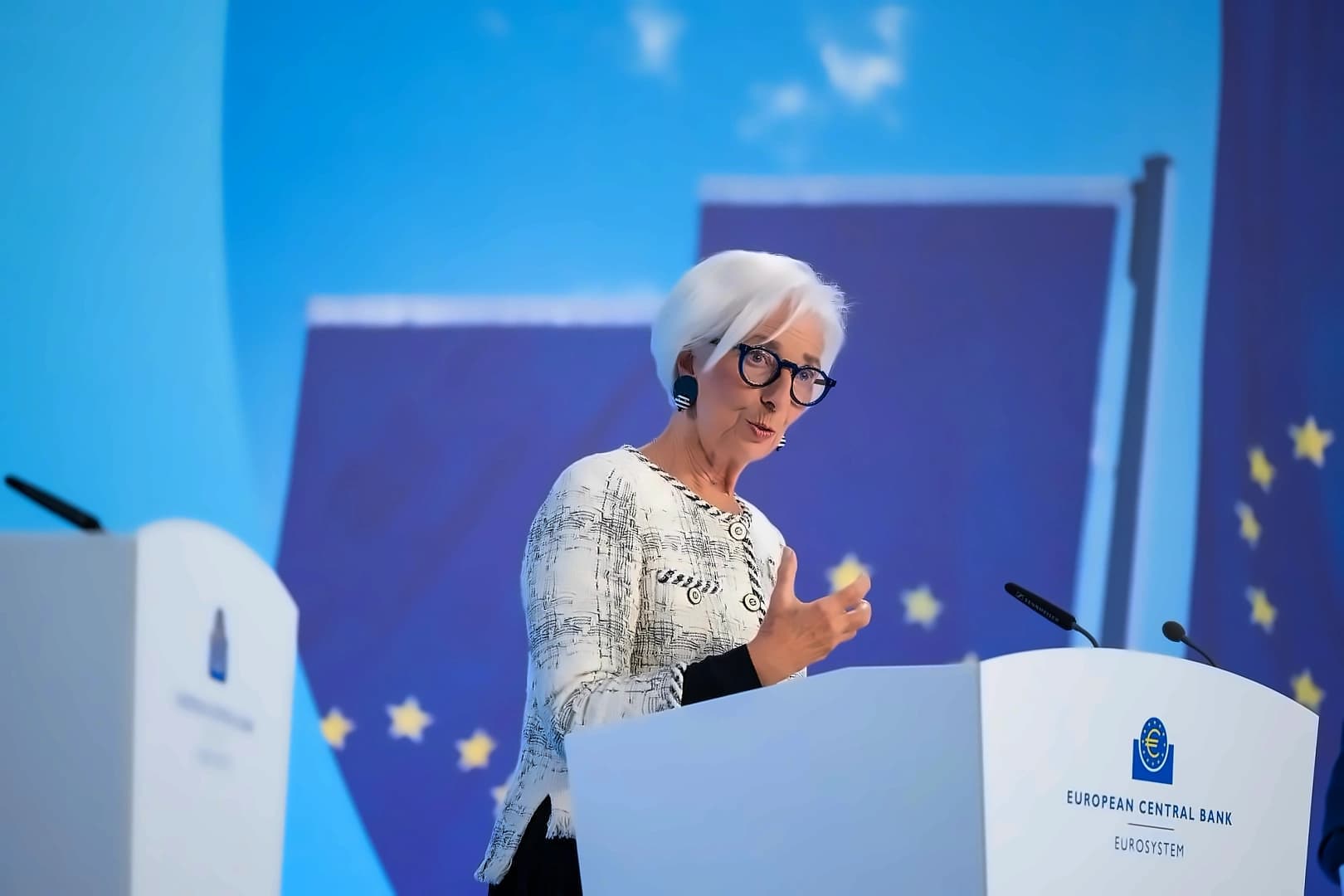
The ECB is pressing ahead with the digital euro project because it views the adoption of private dollar-backed stablecoins as a threat to Europe's monetary autonomy. According to CoinDesk reports, while legislation enabling the currency has not been finalized, the central bank is moving forward with the project to maintain control over European monetary systems. Executive Board member Isabel Schnabel stated in June that the global stablecoin market was approaching $300 billion, with Tether's USDT and Circle's USDC accounting for roughly 90% of the sector. ECB President Christine Lagarde has warned that private stablecoins could pose risks to financial stability and monetary policy transmission in the euro area, arguing that Europe should not replicate the dollar stablecoin model and backing central bank-led tokenized settlement infrastructure instead. Privately issued euro tokens have continued to expand under the EU's Markets in Crypto-Assets framework, with their market capitalization rising 128% from $295.6 million to $673.9 million over the year through June 28.