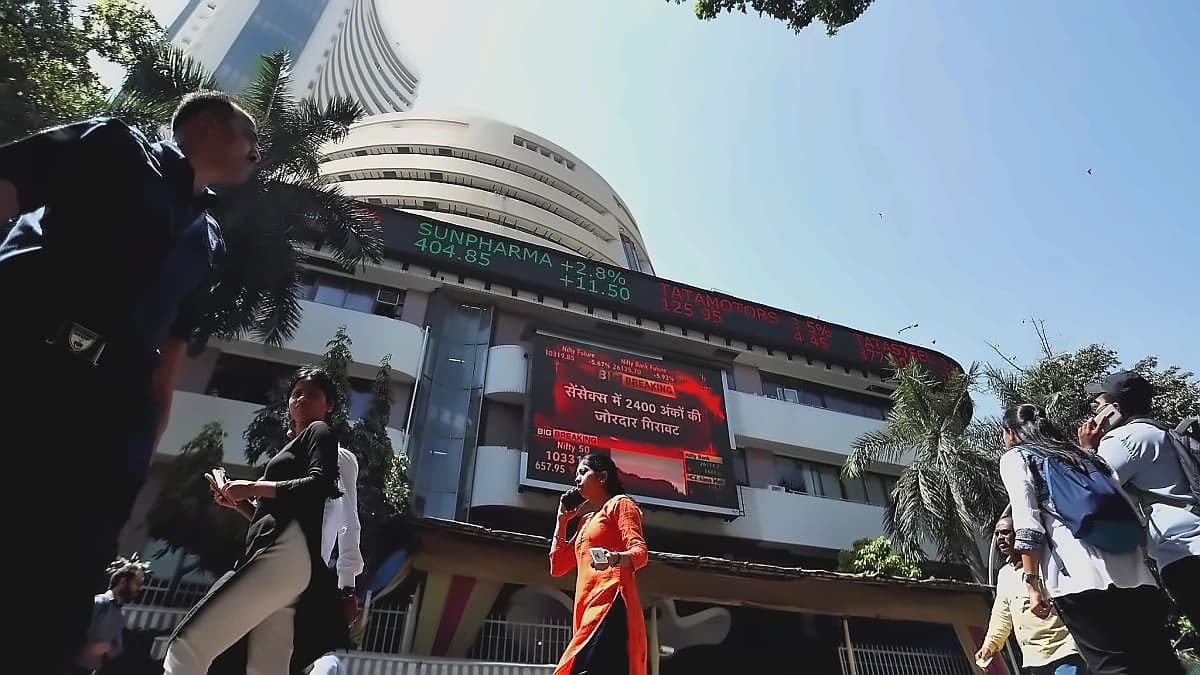
Emerging-market assets experienced their worst weekly performance since early March, with both stocks and currencies declining significantly. According to reports from Bloomberg, the MSCI Emerging Market Index fell 2.8%, marking its worst weekly selloff since March 6. The MSCI EM Currency index dropped 0.4%, with notable declines including the Chilean peso, Brazilian real, and Hungarian forint each falling at least 1.4%. The dollar rallied for five consecutive sessions, contributing to the broader selloff across emerging markets. Recent developments show Wall Street stocks also declined as crude prices surged, adding to inflation worries and pushing Treasury yields higher amid geopolitical tensions and Fed leadership change.

Latest data reveals April consumer inflation rose to 3.8% year-over-year, marking the hottest reading since May 2023, as the economic fallout from the Strait of Hormuz blockade continued to ripple through energy and transportation costs. The Producer Price Index surged 6% from a year earlier, far above the 4.9% consensus estimate and marking the highest annual reading since December 2022. Meanwhile, the economy continues to run surprisingly hot, with the Atlanta Fed's GDPNow model currently tracking second-quarter real GDP growth at 4%, underscoring resilience despite higher borrowing costs and mounting geopolitical stress. The surge in crude prices has further fueled inflation concerns, with Wall Street stocks declining as crude prices surged, adding to the broader market pressure.
Market expectations for Federal Reserve policy have shifted significantly, with traders pricing in an almost two-thirds chance the Fed will hike interest rates in December. Kevin Warsh was confirmed Wednesday by the Senate in a razor-thin 54-45 vote to succeed Jerome Powell at the Fed helm, with his first policy meeting just one month away. Futures markets now assign a greater-than-50% probability of another rate hike by year-end. The Treasury market reacted accordingly, with the two-year yield climbing back above the psychologically critical 4% threshold, while the 30-year Treasury yield pushed through 5.10%, signaling growing expectations that rates may stay higher for longer. Recent developments show Treasury yields pushing higher amid geopolitical tensions and Fed leadership change, reflecting market uncertainty about monetary policy direction.
The bond market experienced significant turbulence as TLT ETF saw $122 million in outflows last week amid rising US bond yields driven by higher inflation and hawkish Federal Reserve signals. April's inflation data showed consumer prices jumping to 3.8% and producer prices hitting a four-year high of 6.05%, fueling concerns that inflation is entrenched. This has pushed the 30-year Treasury yield above 5% and the 10-year yield to 4.6%, increasing borrowing costs and potentially lowering equity valuations. Despite market volatility, Ford Motor Co. emerged as the clearest corporate winner of the week, with shares surging 13.2% on Wednesday before adding an additional 6.7% Thursday after a bullish Morgan Stanley note highlighted the potential value of the company's newly created Ford Energy division.