Dubai's residential real estate market experienced its first significant decline since the COVID-19 pandemic, with home prices falling 5.9% in March from the previous month according to the home price index by ValuStrat. As reported by Mint, the decline represents a natural market correction after years of rapid growth. REIDIN, a real estate research and analytics firm, puts the total decline at nearly 20% to $10.1 billion in March 2026 from the previous month. The latest data from the Dubai Land Department shows that buyers are becoming more cautious across the board, marking the end of the post-pandemic boom period.
Anis Sajan, Vice Chairman of Dubai-based Danube Group, acknowledged the expected nature of the current decline while emphasizing it falls short of a market crash. According to Mint, Sajan stated that the market was expected to stabilize after years of fast growth, with the current dip representing a healthy correction rather than a sustained downturn. The secondary market for ready-to-move homes has seen a small dip of 5-10%, while the primary off-plan market remains strong and unchanged, with big developers like Azizi, Danube, and Emaar now offering better payment plans including lower deposits than before.
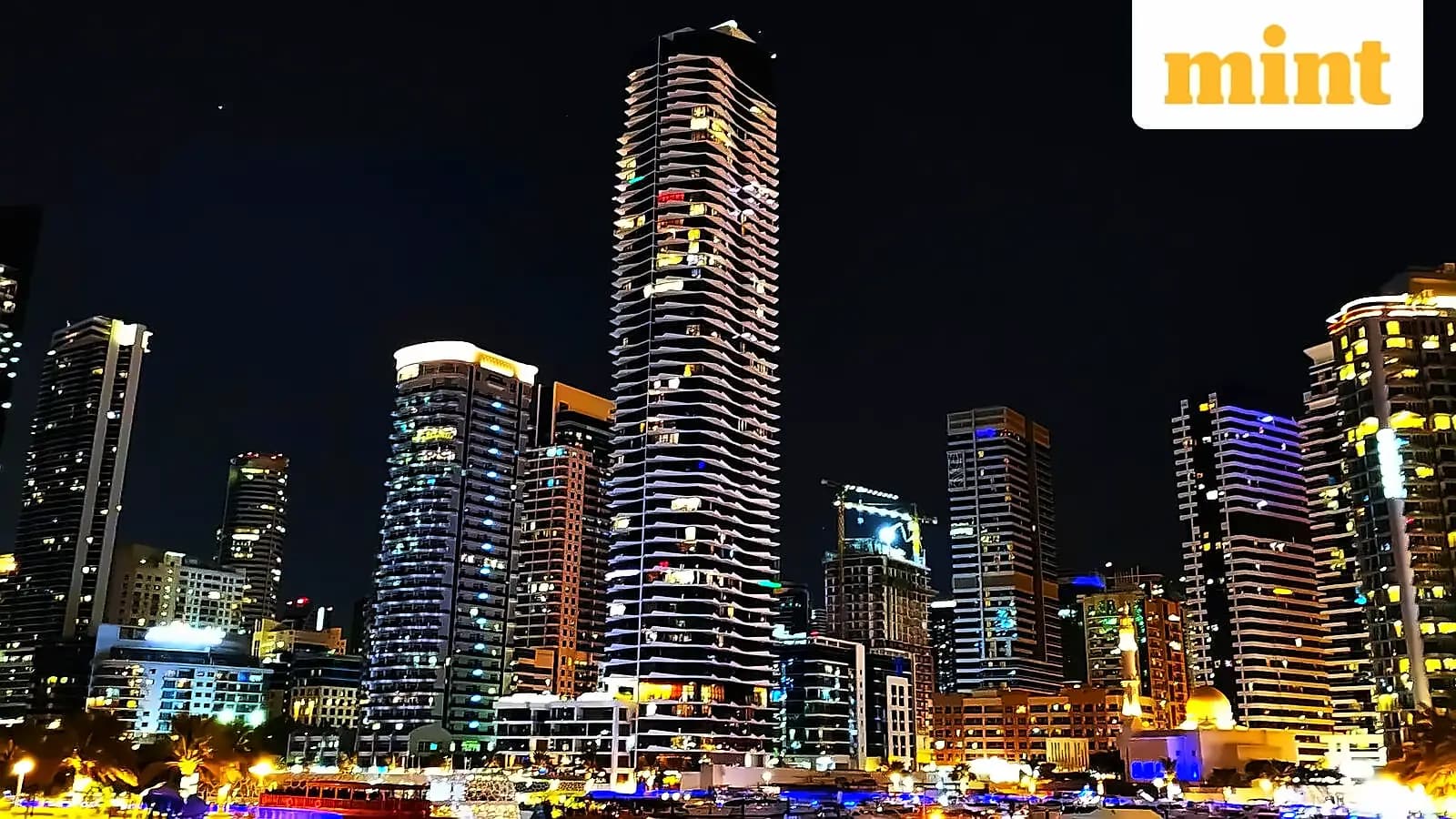
The decline has been attributed to the ongoing US-Iran war, which has created uncertainty across the Middle East region. As reported by Mint, many of Dubai's wealthiest residents have left the city since the war's outbreak, and analysts expect they will be unlikely to return immediately even after relative peace is established. The main reason for the market shift is political tension in the region that started in late February, even though Dubai remains a tax-free and safe place to live. Wealthy individuals are starting to put some of their money into European luxury cities like London, Monaco, and Marbella to spread their investments across different parts of the world.
Despite the current volatility, industry experts view the decline as a strategic investment opportunity. According to Mint, Sajan, who has observed Dubai's real estate transformation for over three decades, argues that current prices represent the best rates for years to come. He suggests that smart investors recognize this as the market's 'bottom' before the next growth cycle begins, with the post-pandemic years having seen home prices skyrocket due to high investor demand and population growth. The current dip is actually seen as a good thing by some experts, as it removes the 'froth' (unrealistic price hikes) and makes the market more stable for the long term.
Experts believe that while the gold rush phase has slowed down, Dubai is not heading for a crash like it did in 2009. Matthew Green from CBRE notes that we should expect this slower pace to continue through April as investors stay cautious. However, Sahil Khosla, CEO of SOHO, points out a significant difference today: more people are buying homes to actually live in them rather than just trading them like stocks. This creates a floor for prices, preventing them from falling too far, and suggests a more mature market approach going forward.